
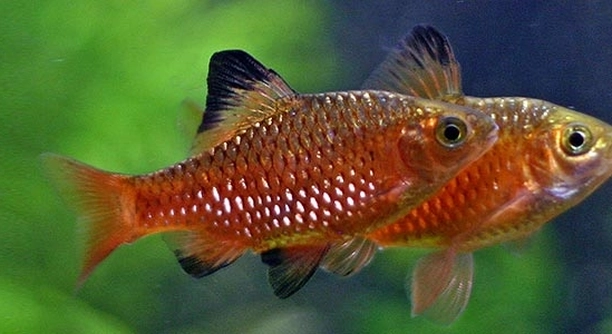
Rosy barbs are small, colorful fish often kept in home aquariums. They use different body movements and behaviors to communicate with each other and their surroundings. Understanding these gestures helps fish owners care for them better.
Rosy barbs communicate through a variety of gestures such as fin flicking, body tilting, and subtle changes in swimming patterns. These gestures convey messages related to territory, mating, stress, and social interaction, playing a crucial role in their daily behavior.
Learning to recognize these signs can improve how you care for your rosy barbs and create a healthier environment for them.
Fin Flicking Signals
Fin flicking is one of the most common gestures rosy barbs use to send quick messages. When a rosy barb flicks its fins rapidly, it can mean different things depending on the situation. Sometimes, it shows excitement or eagerness, especially during feeding time. Other times, it is a warning to other fish to keep their distance. This gesture helps maintain order in the tank and prevents unnecessary conflicts. Watching for fin flicking gives insight into how your fish are feeling and interacting.
This simple movement is an essential part of rosy barb communication and often happens in groups or pairs.
Fin flicking is a quick and clear sign that your rosy barbs are either alert or trying to express dominance. Recognizing it helps you understand their social dynamics better and ensure their environment is calm.
Body Tilting Behavior
Body tilting is another gesture used by rosy barbs to communicate mood or intention. When a fish tilts its body slightly to one side, it may be showing interest or submission. This gesture often happens during social interactions within the tank. Sometimes a fish tilts its body to signal readiness to mate or to explore. The angle and duration of the tilt can indicate different levels of confidence or curiosity.
Observing body tilting can give valuable clues about how your rosy barbs feel around each other and in their habitat. This helps in monitoring their wellbeing and adjusting tank conditions if needed. If the tilting is frequent and paired with other signs like hiding or lack of movement, it could mean stress or discomfort. Adjusting water quality, adding plants for cover, or rearranging tank mates can improve their comfort level. Paying attention to these small signs leads to a better understanding of their natural behavior and promotes a peaceful aquarium environment.
Subtle Changes in Swimming Speed
Rosy barbs often change their swimming speed to express different feelings. A sudden quick dash can mean excitement or alertness. Slower, hesitant swimming might show stress or illness. These changes help fish communicate their current state to others in the tank.
When rosy barbs speed up suddenly, it usually means they have noticed something new or feel threatened. This burst of energy is a natural response to potential danger or a sign of eagerness to explore. In contrast, slow swimming can indicate discomfort or fatigue. Monitoring these speed changes can help you catch problems early, such as poor water quality or illness. If your fish swim slowly for extended periods, consider checking the tank environment and water parameters.
Swimming speed is a good indicator of rosy barb health and mood. Regular observation allows you to react promptly and keep your fish comfortable and active.
Color Changes
Color changes in rosy barbs are a key form of communication. When their colors brighten, it often signals good health or readiness to mate. Duller colors may indicate stress or poor water conditions.
Color intensity in rosy barbs varies depending on their mood and environment. Bright, vibrant colors usually mean the fish feel safe and comfortable. This is common during feeding or breeding times. Conversely, when fish feel stressed, scared, or sick, their colors fade, making them look dull and less lively. Changes in lighting and tank conditions can also affect color appearance. Regularly checking the color of your rosy barbs can give clues about their well-being and tank health. If colors appear dull for a long time, it’s important to inspect water quality and tank mates. Keeping the tank clean and stable helps maintain their bright, attractive colors and supports their natural behaviors.
Tail Wagging
Tail wagging in rosy barbs is a common way to show alertness or mild agitation. It usually happens when they feel curious or cautious about something new in the tank. This movement helps communicate their attention to others nearby.
Sometimes tail wagging signals mild irritation during social interactions. It’s a way for fish to express themselves without aggression, maintaining peace in the group.
Gill Flare
Gill flaring occurs when rosy barbs open their gill covers wide. This gesture often signals territorial behavior or a warning to other fish. It shows the fish is trying to look bigger and more intimidating. Gill flaring can help avoid physical fights by establishing dominance visually.
Position Near Surface
Rosy barbs spending time near the water surface may be looking for food or oxygen. This behavior can also indicate tank conditions needing attention.
Eye Movement
Rosy barbs use eye movement to watch their environment carefully. This subtle gesture shows alertness and helps them stay aware of nearby changes.
How can I tell if my rosy barb is stressed?
Stress in rosy barbs often shows through changes in behavior and appearance. Look for duller colors, slower swimming, hiding more than usual, or frequent surface gasping. Fin clamping, where the fins stay close to the body, is another common sign. Stress can be caused by poor water quality, overcrowding, sudden changes in the environment, or aggressive tank mates. Observing these signs early helps you address the problem before it worsens.
What should I do if my rosy barb is showing aggressive gestures?
Aggression in rosy barbs can be shown by frequent fin flicking, gill flaring, chasing, or tail wagging. To reduce aggression, make sure the tank is large enough with plenty of hiding spots and plants. Avoid overcrowding and consider adding more fish to spread aggression across the group. Sometimes rearranging decorations breaks up territorial claims. Feeding the fish well and regularly can also help reduce aggressive behavior.
Why do rosy barbs change color suddenly?
Color changes often happen because of mood, health, or environmental factors. Bright colors usually mean the fish is healthy and comfortable, while dull colors can signal stress, illness, or poor water quality. Lighting changes or water temperature shifts may also cause temporary color changes. Regular water testing and proper tank care keep colors vibrant.
Is tail wagging always a sign of irritation?
Not always. Tail wagging can mean the fish is curious or alert as well as irritated. Context matters—if the fish is near new objects or tank mates, it may be a cautious greeting. Watch other behaviors to understand the meaning better.
How important is observing gill flaring in rosy barbs?
Gill flaring is a key gesture that often signals territorial disputes or warnings. Frequent gill flaring may indicate stress or overcrowding in the tank. It’s important to watch this behavior to prevent fights and maintain a peaceful environment. Adjusting tank size or group composition can help.
Why do rosy barbs spend a lot of time near the surface?
Spending time near the surface usually means the fish are searching for food or oxygen. Poor water circulation or low oxygen levels cause them to stay near the surface. Improving aeration and water quality often resolves this issue. Make sure the tank is well maintained and properly filtered.
Can rosy barbs recognize their owners?
Rosy barbs don’t recognize people in the way some pets do, but they learn to associate feeding time with their owner’s presence. They may swim to the front of the tank when you approach, showing a learned response rather than true recognition.
What does it mean when rosy barbs tilt their bodies?
Body tilting usually signals social communication. It can mean submission, interest, or readiness to mate depending on the situation. Noticing this helps understand their mood and relationships in the tank.
How often should I watch my rosy barbs for behavioral changes?
Daily observation is best. Even brief checks help catch early signs of stress, illness, or social issues. The more familiar you are with their normal behavior, the easier it is to spot problems.
What should I do if my rosy barb hides a lot?
Frequent hiding can mean stress, illness, or discomfort. Check water quality and tank conditions first. Also, review tank mates to ensure no bullying is happening. Providing plants and shelters gives shy fish a safe space, helping them feel secure.
Watching your rosy barbs closely and understanding their gestures can make a big difference in their health and happiness. Recognizing what each movement means helps create a calm, thriving aquarium.
Understanding how rosy barbs communicate through their gestures is important for anyone who keeps them as pets. These small fish use body language like fin flicking, tail wagging, and color changes to express their feelings and intentions. By paying attention to these signs, owners can better understand their fish’s needs and moods. This understanding helps create a more comfortable and healthy environment for the rosy barbs. It also reduces stress and improves the overall wellbeing of the fish.
Watching your rosy barbs regularly allows you to notice changes in their behavior quickly. Small gestures such as swimming speed changes or body tilting can tell you a lot about how they feel. If a fish looks dull or is hiding more than usual, it may be stressed or unwell. Knowing this early on means you can take steps to fix water conditions, check for illness, or adjust tank mates. Keeping the tank clean, well-maintained, and properly sized makes a big difference in how your fish behave and interact.
Being familiar with these gestures also makes caring for rosy barbs more rewarding. Seeing their bright colors, active swimming, and social behaviors means they are happy and healthy. When you recognize signals like gill flaring or fin flicking, you can understand their social order and prevent conflicts. This knowledge helps maintain a peaceful and balanced tank, where your fish can thrive. Taking time to learn about rosy barbs’ communication improves your experience as a fish keeper and supports the long-term health of your aquarium pets.

Hello,
If you enjoy the content that we create, please consider saying a "Thank You!" by leaving a tip.
Every little bit helps us continue crafting quality advice that supports the health, happiness, and well-being of pets around the world, for pets of all shapes, sizes, and species.
We really appreciate the kindness and support that you show us!