
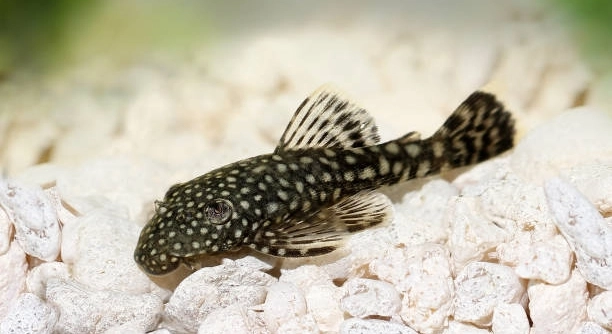
Plecos, with their quirky behavior, can often leave fish owners confused or amused. Their actions might seem odd at first glance, but there is usually an interesting reason behind their strange behavior. Understanding these actions can help clarify their true nature.
Plecos exhibit behaviors that are often misunderstood. These fish may suck on surfaces, swim upside down, or even appear to “sleep” in unusual positions. These behaviors are natural and can stem from their environment or biological instincts.
Their strange actions are not just amusing but reflect their adaptation to their surroundings. Understanding these behaviors will give insight into the unique personality of your pleco.
Sucking on Surfaces
Plecos are known for their tendency to suck on surfaces like rocks, glass, or driftwood. This behavior is perfectly natural. It’s often part of their feeding habits, as they scrape algae and other organic matter from surfaces in their environment. Their specialized mouth allows them to effectively latch onto surfaces and clean them.
While this action may seem strange to some, it’s simply a way of foraging. Plecos are bottom feeders, and this behavior is essential to their diet. If you’ve noticed your pleco sucking on the glass or decorations in your tank, it’s likely just searching for food. It’s not a sign of distress or a strange behavior, but rather a natural instinct to keep its surroundings clean and find nourishment.
If you’re concerned about the cleanliness of your tank, it’s a good idea to ensure that your pleco has access to sufficient algae and other natural food sources. Additionally, supplementing their diet with algae wafers or other foods can help maintain their health and keep them satisfied.
Swimming Upside Down
Sometimes, you may catch your pleco swimming upside down or in odd positions. This behavior is often linked to their quest for food, but it can also signal that they are trying to rest in a comfortable position. It’s their way of adjusting to the environment.
Plecos tend to have a unique way of navigating their tanks. When they swim upside down, it might simply be because they’ve found a food source on the underside of an object like driftwood. This is a common occurrence, especially for plecos that prefer certain types of algae or food resting on the bottom.
Additionally, they are known to rest in unusual ways. In the wild, plecos often settle in crevices or underneath objects. They may seek these types of areas for security and comfort. If you notice your pleco spending time upside down, it’s likely because it feels safe or is in search of food. As long as they seem healthy and active, there’s no cause for concern.
Spinning in Circles
Plecos can sometimes be seen spinning or circling in the tank. This may look odd, but it is typically a sign that your pleco is looking for food. Their circular movements can also occur when they are cleaning surfaces or investigating their environment.
This spinning behavior is common among plecos. They often rotate to examine different angles of their surroundings, ensuring they don’t miss out on food. It’s important to keep an eye on water quality to ensure that your pleco’s behavior remains healthy. Any sudden, prolonged spinning might indicate a possible health issue.
Hiding in Tight Spaces
Plecos love to hide in small, tight spaces like caves or between decorations. This is normal behavior as they seek out places that provide security and comfort. They may retreat to these spots when feeling stressed or just to rest.
In their natural habitat, plecos often hide in crevices or under rocks to stay protected from predators. This instinct carries over to the aquarium setting. Providing your pleco with hiding spots is crucial for its well-being. It helps them feel safe and secure, reducing stress in the tank.
FAQ
Why does my pleco swim upside down?
Plecos swimming upside down is usually not a cause for alarm. They may swim in such a way when they are foraging or looking for food on the bottom of the tank. This behavior is natural as they often check the undersides of objects like driftwood or rocks. If the pleco stays upside down for long periods or shows signs of distress, such as rapid gill movement or lethargy, it may be a sign of an underlying issue. Checking water conditions and the health of your pleco can help address concerns.
Do plecos need a specific type of food?
Yes, plecos have specific dietary needs. They are primarily herbivores, relying on algae and plant matter for nutrition. However, they also consume small amounts of protein, such as dead fish or shrimp. To ensure your pleco is well-fed, provide algae wafers, blanched vegetables like zucchini or spinach, and other plant-based foods. Supplementing their diet with occasional protein-rich treats can promote healthy growth. Avoid overfeeding and monitor your pleco’s weight to ensure it stays healthy.
How often should I feed my pleco?
Feeding frequency for plecos depends on their size and age. Young plecos typically require more frequent feeding, while adults can be fed every other day. You can offer food once a day, but make sure to remove any uneaten food to prevent water contamination. Overfeeding can lead to health problems, including poor water quality, so be cautious with portion sizes. It’s important to create a feeding schedule and stick to it for consistency.
Why does my pleco suck on the glass?
It’s normal for plecos to suck on surfaces, including glass, as they forage for food. Their specialized mouth allows them to scrape algae off surfaces in the aquarium. This is part of their natural feeding behavior. If your pleco is constantly sucking on the glass and not moving, it might mean it is hungry or bored. Consider adding more food sources, like algae wafers or vegetables, to encourage natural behavior.
How can I make my pleco feel more comfortable?
To make your pleco feel comfortable, you should provide a tank environment similar to its natural habitat. Add hiding spots like caves, rocks, or driftwood where the pleco can retreat when it feels stressed. Maintain water quality with regular changes and monitor the temperature to ensure it stays between 72 and 82°F (22-28°C). Having good water filtration and ensuring the tank is not overcrowded will also reduce stress on the pleco. Lastly, avoid bright, direct lighting as plecos prefer darker environments for resting.
Can plecos live with other fish?
Plecos are generally peaceful and can live with other fish, provided that the tank mates are not aggressive. They do well with other bottom dwellers and fish that do not compete for food. It’s important to avoid housing plecos with species that are known for being territorial or nippy, as this can lead to stress. When choosing tank mates, ensure they have similar water requirements and do not pose a threat to the pleco.
How do I know if my pleco is healthy?
A healthy pleco will actively swim, graze on surfaces, and have a clean, smooth body with no signs of lesions or discoloration. Their fins should be intact, and they should have a good appetite. If you notice abnormal behavior like lethargy, rapid gill movement, or abnormal swimming patterns, it could be a sign of illness. Also, ensure the water quality is stable and within the proper range for plecos. Regular monitoring and good tank maintenance are key to keeping your pleco healthy.
What is the lifespan of a pleco?
Plecos can live for many years, with an average lifespan ranging from 10 to 15 years, depending on the species and care they receive. Providing proper tank conditions, a well-balanced diet, and regular maintenance will help ensure your pleco lives a long and healthy life. Some species, particularly larger ones, may live even longer with optimal care.
Do plecos need to be in a group?
Plecos are generally solitary creatures and do not need to be kept in groups. They can be territorial, especially as they mature, and may prefer their own space. While some plecos can tolerate tank mates, they do not rely on social interaction in the way some other fish do. Keeping a single pleco is perfectly fine, as long as their tank environment is suitable for their needs.
Can plecos help clean the tank?
Plecos are often called “tank cleaners” due to their algae-eating habits. They help reduce algae buildup on surfaces like glass, rocks, and decorations. However, they do not completely eliminate the need for regular tank maintenance. Plecos can contribute to keeping the tank cleaner, but you should still clean the tank regularly, change the water, and monitor filtration to ensure a healthy environment.
Final Thoughts
Plecos are fascinating creatures with unique behaviors that can sometimes seem strange or unusual. From sucking on surfaces to swimming upside down, these behaviors are generally harmless and are a natural part of how plecos interact with their environment. They often seek out food, find comfortable resting spots, or explore their surroundings in ways that may seem odd to us. Understanding these behaviors can help you better care for your pleco and ensure it stays healthy and happy in your tank.
It’s important to remember that plecos, like all fish, have specific needs. Maintaining clean water, providing enough food, and offering places to hide and rest are crucial for their well-being. A balanced diet of algae, vegetables, and occasional protein will support their health and encourage natural behaviors. Also, creating a stress-free environment with hiding spots will make your pleco feel secure and less likely to show signs of distress. The more you learn about their natural tendencies, the better you can meet their needs and ensure they thrive.
In the end, plecos are low-maintenance fish that can be a great addition to your aquarium. By understanding their quirks and providing the proper care, they can live long, healthy lives and become an interesting part of your tank. Whether you’re watching them clean the glass, exploring new hiding spots, or simply resting in the shadows, your pleco’s unique behaviors will give you a glimpse into the fascinating world of aquarium life. Keep monitoring their health and water conditions, and you’ll enjoy having a happy and thriving pleco for years to come.

Hello,
If you enjoy the content that we create, please consider saying a "Thank You!" by leaving a tip.
Every little bit helps us continue crafting quality advice that supports the health, happiness, and well-being of pets around the world, for pets of all shapes, sizes, and species.
We really appreciate the kindness and support that you show us!