
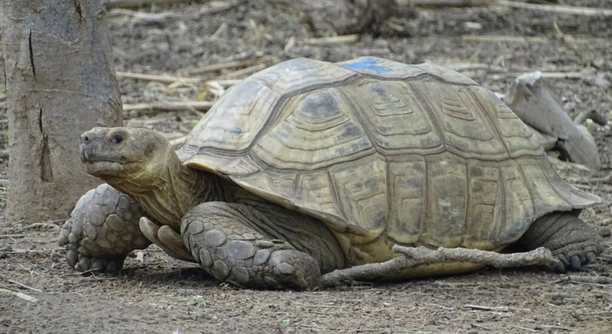
Tortoises are fascinating creatures with unique behaviors that can be observed and understood with a bit of attention. Whether you’re a new tortoise owner or simply curious about their actions, learning more about them can be quite rewarding.
Observing and understanding tortoise behavior can be done through simple activities like watching their interactions with their environment, tracking their movements, and noting their feeding habits. By doing so, you can gain insight into their needs and preferences.
There are various fun and effective ways to observe and learn from tortoises. Understanding their behaviors will not only improve your bond with them but also help ensure they thrive in their surroundings.
Observing Your Tortoise’s Feeding Habits
Tortoises are herbivores, and their feeding habits can reveal a lot about their health and comfort levels. They tend to be slow eaters, enjoying their food at a steady pace. Pay attention to how they approach their meals. If your tortoise seems disinterested or hesitant, it could indicate a problem. On the other hand, a healthy tortoise will eagerly go toward food, carefully sniffing and nibbling.
Their preferences can also be seen in the types of food they choose. Some tortoises might have a strong liking for leafy greens, while others may prefer fruits or flowers. Taking note of these habits allows you to tailor their diet accordingly, providing a balanced mix of nutrients to keep them healthy.
Tortoises will also exhibit behaviors like pushing their food with their faces or scratching the ground around it. These actions might look like they are simply playing, but they often indicate that the tortoise is exploring its environment in search of something more, whether it’s a better place to eat or something else to nibble. Keeping track of these feeding patterns helps you learn more about your tortoise’s personal preferences and habits.
The Importance of Environmental Exploration
When a tortoise is exploring its surroundings, it is actively learning about its environment and looking for food, shelter, and security. Observing this can provide insight into how comfortable they feel in their habitat.
The way a tortoise moves and interacts with objects around it is very telling. A tortoise in a new environment may be more cautious, moving slowly and testing the area with its front legs. Once it feels at ease, it will roam more freely and confidently. This exploration often involves climbing over obstacles, digging, or even trying to hide. These behaviors indicate a healthy, curious tortoise that is adapting well to its environment. If your tortoise avoids these actions or seems lethargic, it could be a sign of stress or discomfort. Understanding this allows you to make adjustments to their habitat and ensure they are happy and safe.
Tortoise Sleeping Patterns
Tortoises need plenty of rest, often sleeping for long hours during the day and night. Their sleeping habits are influenced by temperature, light, and their surroundings. Keep track of their sleep cycle to ensure they are getting enough rest and aren’t stressed.
If your tortoise is in an environment with fluctuating temperatures, they might sleep more than usual or become more active at night. During colder months, they may enter a form of hibernation, a natural survival instinct. This is common among certain species, but it’s important to monitor them during this time to ensure they are not overwintering too long or becoming dehydrated. Adjusting their habitat temperature and offering enough hiding spaces can help maintain a healthy sleep schedule.
Understanding your tortoise’s sleeping habits will also help you spot potential health issues. If your tortoise is sleeping excessively or appears sluggish, it could indicate stress or illness. Regularly check their behavior to ensure they are getting the appropriate rest in the right environment.
Observing Social Interactions
Tortoises are mostly solitary creatures but can show social behaviors when placed in a shared space. Their interactions with other tortoises or even humans can be subtle yet telling. Watching them interact can help you understand their comfort levels and stress triggers.
In the wild, tortoises are often seen defending their territory or avoiding confrontation. If you notice your tortoise displaying signs of aggression, such as biting or chasing, it may feel threatened or stressed by another tortoise. This behavior is normal, but it’s crucial to provide enough space for them to feel secure. If they’re interacting with humans, they may show signs of affection or curiosity, like following you or seeking attention.
Even when not interacting with others, tortoises can display social-like behaviors by becoming more active during certain times of the day or showing increased curiosity in their environment. Paying attention to how your tortoise reacts to different social scenarios can help you create a more comfortable and safe environment for them.
Tortoise Walking Behaviors
Tortoises move slowly, but their walking patterns are often telling. Whether they are exploring, searching for food, or just strolling around, these behaviors show their level of comfort and interest in their environment.
When a tortoise is comfortable, it walks with purpose, taking steady, deliberate steps. If it appears to drag its feet or move aimlessly, it could be stressed, tired, or ill. Changes in movement speed or direction are often linked to external factors like temperature or habitat changes. If you notice your tortoise suddenly becoming more sluggish, it’s important to check its surroundings for potential stressors.
Tortoises may also display specific walking behaviors when they are searching for food or water. They tend to move in a direct path toward food sources, often using their sense of smell to lead them. Understanding these behaviors can help you spot when your tortoise is hungry or needs more enrichment in its space.
Tortoise Shell Scratching
Shell scratching is a common behavior in tortoises, often done to stretch, clean, or even to relieve discomfort. They may scratch their shells against surfaces like rocks or logs in their environment.
If you notice your tortoise scratching more often, it’s important to observe the area they are scratching. A healthy tortoise may scratch simply as part of their daily routine, but excessive scratching can indicate discomfort or issues with their shell. Make sure your tortoise’s environment is clean and free of irritants that might cause skin problems.
The Role of Sunbathing
Tortoises rely on sunlight for warmth and to help them metabolize calcium. Sunbathing is a natural behavior that helps them regulate body temperature and improve overall health.
They typically seek out a sunny spot during the day and will stretch out, basking in the heat for long periods. If your tortoise isn’t sunbathing, it might be too cold in its environment or it could be stressed. Providing a warm, sunny area is essential to their well-being, especially for species that need a higher temperature range to thrive. Make sure they have access to natural sunlight or UVB lighting.
FAQ
How do I know if my tortoise is stressed?
Signs of a stressed tortoise can vary, but common indicators include a lack of appetite, unusual lethargy, hiding more than usual, or becoming aggressive. If your tortoise stops eating or shows signs of discomfort, it may be reacting to changes in its environment, temperature fluctuations, or overcrowding. A stressed tortoise may also pace or show erratic behavior in its enclosure. Keeping their habitat consistent with the right humidity, temperature, and space is essential to their well-being. If the stress continues, a visit to the vet is advisable.
Can I keep more than one tortoise together?
Yes, but you need to be careful. Some species of tortoises are more social than others, while others prefer solitude. If you choose to house multiple tortoises together, make sure they have enough space to avoid territorial disputes. Monitor them closely for signs of aggression, such as biting or chasing. If they do not get along, it’s best to separate them into different enclosures. You’ll also need to ensure that the habitat has adequate resources like food, water, and hiding spots for each tortoise.
How often should I feed my tortoise?
Tortoises generally eat every day, but the amount and frequency depend on the species and age. Young tortoises require more frequent feedings, while adults can eat less often. A typical feeding schedule includes offering fresh greens, vegetables, and occasional fruits once a day or every other day. The key is to avoid overfeeding, as this can lead to obesity. Monitor their eating habits to ensure they are getting the correct amount of food. Keep in mind that tortoises need a well-balanced diet to stay healthy.
What should I do if my tortoise isn’t eating?
If your tortoise refuses to eat, check the environment first. Ensure the temperature and humidity are correct for the species. A tortoise may also stop eating if it’s stressed or unwell. If there are no obvious environmental factors causing the loss of appetite, a trip to the vet may be necessary to rule out illness. It’s also helpful to offer different types of food to see if they prefer something new. Sometimes, tortoises can be picky eaters, but a consistent feeding routine will usually help.
How long can my tortoise live?
Tortoises have long lifespans, with many species living over 50 years, and some can reach up to 100 years or more. The lifespan varies depending on the species, but overall, tortoises are known for their longevity. To ensure they live a long, healthy life, you’ll need to provide them with proper care, including a suitable diet, appropriate habitat, and regular health check-ups. Regular attention to their needs and a stable environment are key factors in promoting their long lifespan.
Why is my tortoise not moving?
A tortoise may not move for several reasons. It could be a result of low temperatures in the environment, as tortoises are ectothermic and rely on external heat to stay active. It might also be a sign of illness or stress. If your tortoise has not moved for an extended period, check for any changes in its habitat, and make sure the temperature is within the correct range. If the tortoise remains inactive for more than a day or seems unwell, it’s best to consult a vet.
How do I maintain my tortoise’s enclosure?
Maintaining a clean and comfortable enclosure is essential for your tortoise’s health. Clean the enclosure regularly to remove waste and uneaten food, which can attract pests or cause health issues. The substrate (flooring) should be replaced or refreshed every few weeks, depending on the species and the materials used. Also, ensure that the enclosure provides a proper heat source, UVB lighting, and access to water. Keep the humidity levels within the appropriate range and ensure that the tortoise has plenty of space to roam and explore.
Do tortoises need a basking area?
Yes, tortoises need a basking area to regulate their body temperature. In the wild, they naturally seek out warm spots to bask in the sun. A basking area in their enclosure should be kept warmer than the rest of the habitat, providing a place for them to heat up when needed. If they don’t have access to this warm spot, they can become lethargic or unwell. It’s important to make sure the basking area has a heat lamp or another heat source, as well as a UVB light to help with vitamin D3 production.
Can my tortoise live outside?
Tortoises can live outside if the weather is appropriate for the species. If you plan to keep your tortoise outdoors, ensure that the environment is safe and protected from predators. The outdoor enclosure should have enough space for them to roam, proper shelter from the elements, and areas for basking. Keep in mind that some tortoises are not suited to cold weather, so if you live in a colder climate, you may need to bring them indoors during the winter. Always monitor the outdoor conditions to ensure they are comfortable and safe.
What temperature should my tortoise’s enclosure be?
The temperature for your tortoise’s enclosure depends on the species, but in general, they require a warm environment. A typical basking area should be between 90°F and 100°F (32°C to 38°C), while the cooler area of the enclosure should be around 75°F to 85°F (24°C to 29°C). Nighttime temperatures should be a bit lower but still within a comfortable range, usually around 65°F to 75°F (18°C to 24°C). Make sure to use a reliable thermometer to check the temperature in different areas of the enclosure, ensuring a gradient that allows your tortoise to regulate its body temperature.
Final Thoughts
Observing and understanding tortoise behavior is a rewarding experience that helps you build a better connection with your pet. Tortoises are unique creatures with specific needs, and being aware of their behaviors allows you to meet those needs more effectively. Whether it’s understanding their eating habits, watching their social interactions, or noticing changes in their sleep patterns, all these details help you provide the best care possible. The more you observe your tortoise, the better equipped you’ll be to identify any issues early and respond quickly.
Tortoises are often seen as low-maintenance pets, but they do require a consistent and stable environment. Small changes in temperature, food, or the layout of their habitat can impact their behavior. For example, if your tortoise stops eating or shows signs of stress, it might be a clue that something in their environment isn’t right. Keeping their habitat clean, providing the right temperature, and ensuring they have access to fresh food and water are all vital to their well-being. By watching for shifts in their behavior, you can quickly make adjustments that will help keep them healthy.
By taking the time to observe and understand your tortoise’s behavior, you can also enrich their lives. Tortoises need mental and physical stimulation, so providing an engaging environment will allow them to thrive. Offering different textures, hiding spots, and objects to climb or explore can make their habitat more interesting. While tortoises might not express themselves in ways that other pets do, their subtle behaviors speak volumes. Learning to read these signs will deepen your bond and ensure that your tortoise remains healthy and content for years to come.

Hello,
If you enjoy the content that we create, please consider saying a "Thank You!" by leaving a tip.
Every little bit helps us continue crafting quality advice that supports the health, happiness, and well-being of pets around the world, for pets of all shapes, sizes, and species.
We really appreciate the kindness and support that you show us!