
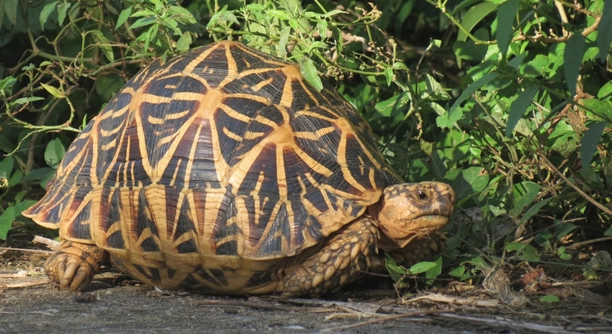
Is your Indian star tortoise in need of some extra enrichment? Keeping your tortoise engaged with fun activities is essential for its overall well-being. A stimulating environment encourages natural behaviors and prevents boredom, leading to a healthier, happier pet.
Providing entertainment for your Indian star tortoise involves offering varied activities such as foraging, climbing structures, interactive feeding, and safe outdoor exploration. These methods help mimic their natural habitat, promote physical exercise, and support mental stimulation, ensuring a more enriching and fulfilling life for your tortoise.
Enrichment plays a key role in keeping your tortoise active and engaged. Exploring different ways to introduce stimulation will help create a rewarding experience for both you and your pet.
Create an Engaging Habitat
A well-designed habitat keeps your Indian star tortoise active and engaged. Adding climbing structures, hiding spots, and different textures encourages exploration. Natural elements like logs, rocks, and soil variations help mimic their native environment. A spacious enclosure with both sunny and shaded areas provides comfort while supporting natural behaviors.
Small changes make a big difference in keeping your tortoise entertained. Rearranging elements in the enclosure, adding new textures, or introducing safe plants can create excitement. Regularly updating the habitat prevents boredom and encourages curiosity.
Tortoises thrive in environments that offer variety. Providing a mix of dry and moist areas allows them to choose their preferred resting spots. Adding edible plants like hibiscus or dandelion greens gives them something to forage. Even simple additions like a shallow water dish for soaking can enhance their well-being. Keeping their surroundings stimulating ensures they stay active and content.
Introduce Interactive Feeding
Food can be more than just nutrition—it can also be entertainment. Instead of placing food in a bowl, try hiding it under leaves or within enrichment toys. This encourages natural foraging instincts, keeping your tortoise engaged while making mealtime more stimulating.
One way to introduce interactive feeding is by using puzzle feeders made from safe materials. You can place pieces of leafy greens inside a small, open-weave basket or under overturned pots. Another option is scattering food across the enclosure, prompting your tortoise to search for it. This approach keeps them active and prevents them from eating too quickly.
Changing the way food is presented adds variety to their routine. Hanging leafy greens from a low branch or offering vegetables in different textures encourages exploration. Seasonal fruits, given in moderation, can add a special treat. Providing enrichment through feeding not only supports their physical health but also keeps them mentally stimulated.
Encourage Safe Outdoor Exploration
Allowing your Indian star tortoise to explore a secure outdoor space provides mental and physical stimulation. A well-fenced area with natural grass, soil, and scattered edible plants encourages natural behaviors. Supervised outdoor time helps them stay active while experiencing new sights, smells, and textures.
Providing a shaded section ensures they have a cool retreat on warmer days. Placing logs, stones, and small mounds of dirt encourages climbing and burrowing. Ensure the area is predator-proof and free from toxic plants. A shallow water dish offers a place for soaking, helping with hydration and shell health. Regular outdoor access enhances their quality of life.
Rotating their outdoor space by introducing different plants or rearranging elements keeps things interesting. Allowing them to explore different surfaces, like soft grass or warm pavement, provides variety. Watching their natural curiosity in an outdoor setting helps strengthen their confidence and keeps them engaged.
Provide Climbing Opportunities
Indian star tortoises enjoy gentle climbing challenges that keep them active. Adding sturdy, low platforms or natural rock formations allows them to navigate different levels safely. A mix of smooth and rough surfaces strengthens their legs while preventing boredom. Ensuring stability in climbing structures reduces the risk of falls or injuries.
Stacked flat stones, wooden ramps, or sloped logs encourage movement and exploration. A gentle incline helps them practice climbing without strain. Using non-slip materials and avoiding steep angles ensures safety. Placing food or treats at different heights motivates them to use climbing structures. Small changes in elevation provide both physical exercise and mental enrichment.
Adjusting climbing structures occasionally prevents monotony. Observing their movements helps determine their comfort level with different inclines. A well-planned setup not only promotes activity but also helps develop coordination. Keeping their environment engaging supports overall health and prevents inactivity.
Offer Sensory Stimulation
Introducing different textures in their enclosure keeps them engaged. Soft grass, rough stones, and moist soil provide a variety of surfaces to explore. Changing the layout occasionally encourages curiosity and movement while preventing boredom. Safe plants with different scents add another layer of enrichment.
Gentle misting can simulate a natural environment, encouraging hydration and interaction with water. Small piles of leaves or hay create opportunities for burrowing and scent exploration. Providing a variety of materials allows them to experience new sensations, keeping their environment stimulating and enjoyable.
Rotate Toys and Enrichment Items
Changing toys and enrichment items prevents boredom and keeps your tortoise engaged. Simple objects like hollow logs, edible plants, or reptile-safe balls encourage movement and exploration. Rotating these items every few weeks helps maintain their interest while ensuring their habitat remains fresh and stimulating.
Play with Reflective Surfaces
A well-placed mirror can provide entertainment by stimulating natural curiosity. Tortoises may react to their reflection, showing interest or mild interaction. Keeping the mirror at ground level allows safe engagement without stress. Limiting exposure time ensures they remain curious without becoming overly fixated on their reflection.
FAQ
How often should I change my Indian star tortoise’s environment?
Changing your tortoise’s environment should be done periodically to keep them engaged. Rearranging their habitat every few weeks provides a fresh setting for exploration. Small changes, like moving climbing structures or adding new plants, help prevent boredom and promote active behavior. However, avoid making drastic changes that could stress them out. Gradually introduce changes to give them time to adjust.
Can I let my tortoise roam freely in my home?
Allowing your tortoise to roam indoors can be beneficial, but only in a safe and controlled environment. Make sure the area is free from hazards like electrical cords, sharp objects, or toxic plants. Providing a secure space allows them to explore while avoiding potential dangers. Always supervise your tortoise when out of its enclosure to ensure safety.
What types of plants are safe for my Indian star tortoise?
Safe plants for your tortoise include dandelions, hibiscus, clover, and safe grass varieties like Bermuda grass. Always research a plant before introducing it to your tortoise’s habitat. Avoid plants that are known to be toxic to reptiles, such as lilies, azaleas, and ivy. Providing edible plants not only adds variety to their diet but also gives them something to forage.
Is it okay to give my tortoise fruits regularly?
Fruits can be offered as an occasional treat, but they should not make up a large part of your tortoise’s diet. Too much sugar can lead to health issues like obesity or digestive problems. Limit fruits like watermelon, strawberries, or apples to once or twice a week, and make sure they are cut into small, manageable pieces.
How much space does my tortoise need in its enclosure?
A spacious enclosure is crucial for your tortoise’s well-being. The minimum recommended size for an adult Indian star tortoise is 4 feet by 2 feet. Larger enclosures provide more room for exploration, climbing, and natural behaviors. The bigger, the better, as long as the space is safe and secure.
Can I use sand in my tortoise’s habitat?
Sand can be used sparingly in your tortoise’s enclosure, but it should not make up the entire substrate. A mix of sand and soil can provide a naturalistic environment and encourage digging behaviors. Avoid using fine sand that could cause respiratory problems. Always monitor your tortoise to ensure it’s not ingesting too much sand, which can lead to impaction.
Do I need to provide UVB lighting for my tortoise?
Yes, UVB lighting is essential for your tortoise’s health, as it helps them synthesize vitamin D3, which is necessary for calcium absorption. Without proper UVB lighting, your tortoise may develop shell deformities or metabolic bone disease. A UVB bulb should be used for about 10-12 hours a day, and it should be replaced every 6-12 months, as its effectiveness decreases over time.
How do I know if my tortoise is bored?
Signs of boredom in your tortoise include excessive sleeping, lack of movement, or disinterest in food. If your tortoise seems lethargic, it might not be getting enough stimulation. Offer more opportunities for climbing, foraging, or outdoor exploration to engage them mentally and physically. Regularly changing their environment and introducing new activities can help keep boredom at bay.
What temperature should I keep my tortoise’s enclosure?
Your tortoise’s enclosure should maintain a temperature range of 75-85°F during the day, with a basking spot that reaches 90-95°F. At night, the temperature can drop to around 70°F. Using a thermostat or heat lamps can help regulate the temperature. Make sure your tortoise has access to both warm and cooler areas so they can regulate their body temperature effectively.
Is it necessary to bathe my tortoise?
Bathing your tortoise once or twice a week helps keep them hydrated and clean. Soak them in lukewarm water for about 20 minutes, ensuring the water level doesn’t cover their head. Bathing also encourages natural behaviors, such as drinking water, which is essential for their health.
How can I keep my tortoise’s shell healthy?
To maintain a healthy shell, provide a balanced diet with proper calcium and vitamin D3 levels. Offering UVB lighting helps them absorb calcium effectively. Regularly soaking your tortoise in shallow water and ensuring they have access to dry areas for basking also support shell health. Keep their environment clean and dry to prevent shell rot.
Can my tortoise be housed with other animals?
It’s not recommended to house your tortoise with other animals, especially if they are different species. Tortoises are solitary creatures, and other animals may pose a threat to their safety. If you do introduce other animals, ensure they are compatible and closely monitor their interactions.
Why is my tortoise not eating?
There are several reasons your tortoise might refuse food, including stress, illness, or changes in temperature. If they are stressed from changes in their environment, give them time to adjust. If the lack of appetite persists, consult a veterinarian to rule out any health concerns. Ensure their habitat is at the correct temperature and humidity levels, as this can also affect their appetite.
Can I take my tortoise outside during the winter?
It’s not safe to take your tortoise outside during cold weather, as they are sensitive to temperature changes. In the winter, they may go into a dormant state, so ensure they are kept in a warm, stable environment. If you do let them outside, make sure the temperature is warm enough, and only do so for short periods.
Final Thoughts
Caring for an Indian star tortoise can be a rewarding experience, but it requires attention to detail and consistency. These creatures thrive in an environment that mimics their natural habitat, which means providing them with proper space, temperature, and enrichment. A suitable enclosure, complete with UVB lighting and a variety of textures, will encourage natural behaviors like foraging and exploring. With the right care, your tortoise can remain active and healthy for many years, enjoying an enriched life that keeps them engaged and curious.
Regularly changing their environment, offering safe plants, and introducing new textures or climbing structures will help maintain their interest and prevent boredom. Keep their diet balanced and provide occasional treats like fruits in moderation. It’s important to monitor their behavior and health closely. Any signs of stress or lethargy should not be ignored, as they may indicate environmental or dietary issues. Understanding your tortoise’s needs and adjusting their habitat accordingly can make a significant difference in their well-being.
Lastly, always ensure your tortoise has access to fresh water, a clean living space, and the correct environmental conditions. Bathing them regularly for hydration and keeping their shell in good condition are also vital. Indian star tortoises are relatively low-maintenance once their environment is set up properly. By paying attention to their needs and making small adjustments as necessary, you can create a habitat that supports their health and happiness.

Hello,
If you enjoy the content that we create, please consider saying a "Thank You!" by leaving a tip.
Every little bit helps us continue crafting quality advice that supports the health, happiness, and well-being of pets around the world, for pets of all shapes, sizes, and species.
We really appreciate the kindness and support that you show us!