
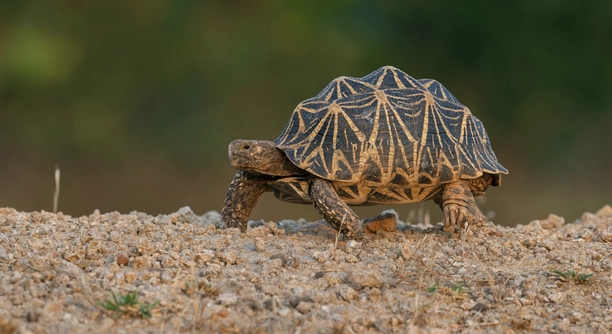
Enriching the environment of your Indian Star Tortoise can enhance their quality of life. These small steps can make a big difference in keeping them active and engaged in their enclosure.
Creating an enriching environment for Indian Star Tortoises involves incorporating various natural elements like hides, plants, and sensory stimulation. These additions encourage natural behaviors such as foraging, climbing, and digging, promoting physical and mental well-being.
By implementing simple changes to their enclosure, you can create a habitat that meets their needs and supports their natural instincts.
Providing Hiding Spots for Privacy
Indian Star Tortoises need areas where they can retreat and feel secure. These animals are naturally inclined to hide when they feel threatened, so adding hides to their enclosure will provide them with a sense of comfort. Simple items like cardboard boxes, ceramic pots, or commercially available hides can create a space for them to rest undisturbed.
Hiding spots will also help reduce stress, allowing your tortoise to retreat when it needs to relax. These can be placed in corners or under larger objects in the enclosure to mimic natural environments.
Consider using materials like untreated wood or rocks for these hides, as they provide a more natural feel. It’s essential that the hides are not too large or too small but just right to allow the tortoise to enter and turn around comfortably. Regularly rotating or changing the hide’s position can help keep things interesting for your tortoise.
Adding Plants for Stimulation
Plants can provide both enrichment and nutrition.
Non-toxic plants like clover, dandelions, and certain grasses can be placed within their habitat. These plants also help mimic their natural surroundings. Adding greenery encourages foraging and provides your tortoise with a more active lifestyle.
Make sure the plants you add are safe and pesticide-free. Besides offering food, plants give your tortoise the opportunity to engage with their environment in a more natural way. Just be sure to research which plants are safe, as some can be harmful. A variety of plant types will keep the enclosure exciting and provide new things to explore.
Offering Variety in Diet
A varied diet helps keep your Indian Star Tortoise healthy and engaged. Fresh vegetables, leafy greens, and safe fruits can stimulate their senses. Providing food at different spots in the enclosure encourages natural foraging behaviors, promoting exercise and exploration.
Introduce a mixture of greens like dandelion, kale, and collard greens. You can also offer small amounts of fruits like strawberries and melons. Avoid feeding them too many high-sugar fruits, as these can upset their digestive system. It’s essential to change their food placement to mimic the challenges they’d face in the wild.
Adding a variety of foods regularly will prevent boredom and ensure they are getting a balanced diet. Be cautious with the food’s freshness, as spoiled items can cause harm. Also, try to offer different textures and shapes, such as whole leaves or cut-up veggies, to encourage them to work for their meals.
Providing UVB Lighting
UVB lighting is crucial for the health of your Indian Star Tortoise, as it helps them produce Vitamin D3. Without proper UVB exposure, they may develop shell deformities or metabolic bone disease.
Place a UVB light over the tortoise’s enclosure, ensuring it is positioned at the correct distance according to the manufacturer’s guidelines. This will allow your tortoise to absorb the necessary UV rays for healthy bone development. The light should be on for about 10-12 hours per day, mimicking natural daylight cycles.
Ensure the UVB bulb is replaced regularly as its effectiveness decreases over time. Providing UVB light in combination with natural sunlight, when possible, will further benefit their overall health and growth.
Creating Climbing Structures
Indian Star Tortoises are naturally curious and enjoy climbing. Adding rocks, logs, or branches can provide opportunities for exercise and mental stimulation. It also helps mimic their natural environment, where they would climb over rocks and debris.
These climbing structures don’t need to be complicated but should be sturdy enough to support your tortoise’s weight. Place them strategically in the enclosure to encourage your tortoise to explore and move around. The right setup helps build muscle strength and keeps them physically active, preventing boredom.
Make sure there are no sharp edges or unstable pieces. You want to ensure safety while allowing your tortoise to explore.
Providing a Water Dish
A shallow, easy-to-access water dish is essential for hydration. Ensure the dish is large enough for your tortoise to soak in if it wants to.
A water dish also provides the opportunity for your tortoise to cool off, which is important for temperature regulation. Be sure to change the water regularly to keep it fresh.
Temperature Regulation
Temperature control is critical for your tortoise’s well-being. A heat source, such as a ceramic heat emitter or a basking lamp, will help maintain the proper warmth.
Ensure that there is a gradient of temperatures in the enclosure, with a warm basking area and a cooler zone. This allows your tortoise to regulate its body temperature. A thermostat can help keep things consistent.
FAQ
What size should my Indian Star Tortoise enclosure be?
The size of the enclosure depends on your tortoise’s age and size. A minimum of 4×2 feet for a juvenile tortoise is recommended. As they grow, you’ll need to expand the space, with adult tortoises requiring a minimum of 6×3 feet. Larger enclosures allow for more exploration, which is important for mental stimulation and exercise. Ensure that the enclosure provides both sunny and shaded areas to mimic their natural environment.
What kind of bedding should I use for my Indian Star Tortoise?
Use bedding that allows for proper moisture control and is safe for your tortoise. Cypress mulch, coconut husk, and aspen shavings are good options. Avoid cedar or pine, as they can release harmful oils. The bedding should be deep enough for digging but not too thick to make it difficult for your tortoise to move around. Keeping the bedding clean is essential for avoiding health issues, so spot clean daily and replace it entirely every couple of weeks.
How do I maintain the humidity level in the enclosure?
Indian Star Tortoises prefer a low to moderate humidity level, around 50-60%. To maintain the proper humidity, you can lightly mist the enclosure daily, especially if the air is dry. However, ensure that there is no standing water or excessive moisture in their environment, as it can lead to respiratory issues. A humidity gauge can help you keep track of the levels, and adjusting ventilation can also regulate it.
Can I house more than one Indian Star Tortoise together?
It’s generally not recommended to house multiple male tortoises together, as they can become territorial and aggressive. Females can sometimes coexist peacefully, but it’s essential to monitor their behavior closely. If you do house more than one, ensure the enclosure is large enough to provide ample space for each tortoise to retreat. Always have enough hides and separate food dishes to avoid competition or stress.
What do I do if my tortoise is not eating?
If your tortoise stops eating, there could be various causes, such as temperature fluctuations, stress, or illness. Check the enclosure’s temperature and humidity, as improper conditions can lead to a loss of appetite. Ensure that the food is fresh and varied, offering both greens and occasional fruits. If your tortoise refuses to eat for an extended period, it’s best to consult a vet to rule out health problems.
How often should I feed my Indian Star Tortoise?
Young tortoises typically require daily feeding, while adults can be fed every other day. Offering a mix of fresh vegetables, leafy greens, and occasional fruits will ensure a balanced diet. Make sure to avoid overfeeding, especially high-calcium foods, as it can lead to shell deformities. Always remove any uneaten food after a few hours to prevent spoilage.
Do Indian Star Tortoises need to be bathed?
Bathing your tortoise once or twice a week is a good idea, especially for hydration and to encourage natural behaviors. Place your tortoise in shallow, lukewarm water for about 15-20 minutes. Avoid using soap or any chemicals in the water. Bathing helps with hydration and can encourage them to defecate outside the enclosure.
What should I do if my tortoise’s shell has soft spots?
Soft spots on the shell could indicate a lack of calcium or improper UVB exposure. Ensure that your tortoise has access to proper UVB light to promote calcium absorption. You might also need to add calcium supplements to its diet. If the soft spots persist or seem to worsen, take your tortoise to a vet for an evaluation.
How can I tell if my tortoise is stressed?
Signs of stress in Indian Star Tortoises include a loss of appetite, excessive hiding, or becoming more aggressive. Stress can stem from various factors, such as temperature fluctuations, overcrowding, or changes in their environment. Try to minimize stress by maintaining a stable enclosure, providing plenty of hiding spots, and ensuring a proper temperature gradient.
Can I let my Indian Star Tortoise roam outside?
Yes, but only in a safe, enclosed outdoor area where they can’t escape. Make sure the area is free of predators and harmful plants. Outdoor time can provide your tortoise with natural sunlight and grazing opportunities. Just be sure to supervise them and bring them inside when the weather becomes too hot or cold.
What is the lifespan of an Indian Star Tortoise?
Indian Star Tortoises are long-lived, with a lifespan of around 50-60 years in captivity when properly cared for. This means they can be a long-term commitment, so it’s important to provide them with the right habitat, diet, and attention throughout their life. Regular checkups with a vet will help ensure they remain healthy.
How do I handle my tortoise?
Indian Star Tortoises generally don’t like to be picked up often, as they are not naturally inclined to interact in that way. If you need to handle them, always do so gently, supporting their body with both hands. Avoid lifting them by their shell, as this can cause stress. Keep handling to a minimum, as they are better off in their own space.
Final Thoughts
Caring for an Indian Star Tortoise can be a rewarding experience. By ensuring their enclosure is spacious, enriched with climbing structures, and properly heated, you provide them with an environment that mirrors their natural habitat. These tortoises need room to roam, explore, and bask, which helps keep them physically and mentally active. A well-maintained enclosure also reduces the chances of stress, which can lead to health issues. Regularly adjusting the temperature and humidity levels, along with offering a balanced diet, further contributes to their well-being.
It is important to monitor your tortoise’s health consistently. Regular vet check-ups, along with keeping an eye on their eating habits, behavior, and shell condition, help catch any potential problems early. Ensuring that your tortoise gets enough UVB light and calcium for proper shell development is crucial. Always provide fresh food, and be cautious about overfeeding to prevent obesity or digestive issues. Additionally, giving them time to soak in a shallow bath and ensuring access to fresh water will help them stay hydrated and clean.
In conclusion, creating a safe, enriching environment for your Indian Star Tortoise is essential for their happiness and long-term health. With the right care, these tortoises can live for many years, becoming a rewarding part of your life. Understanding their needs, observing their behaviors, and making small adjustments when necessary ensures they thrive in captivity. Providing a balance of physical space, proper diet, and mental stimulation will help your tortoise flourish and lead a fulfilling life.

Hello,
If you enjoy the content that we create, please consider saying a "Thank You!" by leaving a tip.
Every little bit helps us continue crafting quality advice that supports the health, happiness, and well-being of pets around the world, for pets of all shapes, sizes, and species.
We really appreciate the kindness and support that you show us!