
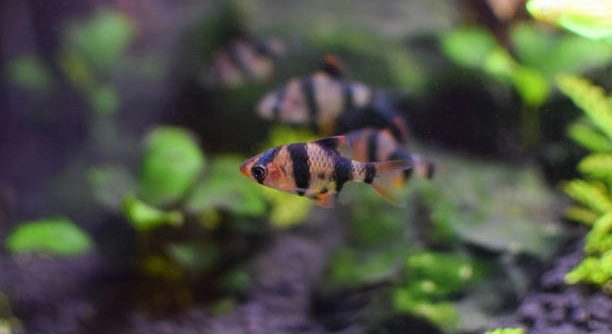
Tiger barbs are lively freshwater fish that many aquarium enthusiasts enjoy watching. Their playful nature makes them a favorite choice for both beginners and experienced hobbyists. These fish often engage in fun behaviors that brighten up any tank environment.
Tiger barbs exhibit several types of play, including chasing, fin nipping, bubble blowing, exploring decorations, schooling, playing with floating objects, and interacting with their owners. These behaviors reflect their social nature and contribute to their overall well-being.
Learning how tiger barbs play can help you create a more engaging and healthy environment for them to thrive in. This article will share simple ways to observe and encourage their natural behaviors.
Chasing and Schooling Behavior
Tiger barbs love to chase each other around the tank. This playful chasing is not aggressive but part of their natural social interaction. They swim quickly in groups, creating lively movement. Schooling helps them feel safe and reduces stress. When they swim together, it also strengthens their bond and encourages healthy activity. This behavior is often seen when new objects or changes happen in the tank. Watching them chase and school is a sign that they are comfortable and healthy. Their constant movement adds energy and life to the aquarium, making it enjoyable to observe. To support this, it’s best to keep tiger barbs in groups of at least six. This prevents boredom and aggressive fights, which can happen if they are alone or in too small numbers.
Chasing and schooling are key to keeping tiger barbs mentally and physically fit. These activities mimic their natural instincts and help keep them engaged daily.
Creating space for swimming and adding hiding spots encourages chasing and schooling. It makes their environment more dynamic and fun to watch.
Playing with Floating Objects
Tiger barbs show interest in floating objects like leaves or small toys placed on the water surface. They often nip or push these objects around as if exploring or playing with them. This interaction stimulates their curiosity and prevents boredom, especially in tanks without many plants or decorations. Floating objects provide a new element in their environment, encouraging natural behaviors like chasing and foraging. This simple addition can make a big difference in their daily activity. Many owners notice tiger barbs enjoy following or circling objects moving on the surface. It’s a gentle way to keep their minds active and body moving. Changing the objects occasionally keeps their interest fresh and helps prevent stress-related problems.
Introducing floating items can increase the enjoyment and activity level of your tiger barbs, making them more lively and healthy. Observing these playful moments brings extra joy to the aquarium experience.
Fin Nipping Among Tiger Barbs
Fin nipping is a common playful behavior in tiger barbs. They gently nip at each other’s fins during interactions. This is not usually harmful but part of their social play. It helps establish social order without serious fights or injuries.
Though it seems rough, fin nipping allows tiger barbs to communicate and test boundaries. It is a natural way to interact and express dominance within their group. However, excessive nipping can stress weaker fish. Keeping enough space and a larger group helps reduce aggressive nipping. Providing plenty of hiding spots also gives fish a break when needed.
Monitoring fin nipping ensures it stays playful, not harmful. If nipping becomes aggressive, it may signal stress or overcrowding. Adjusting tank conditions can calm the fish and restore balance.
Exploring Decorations and Tank Features
Tiger barbs enjoy exploring decorations and tank features like rocks, plants, and caves. These elements mimic their natural habitat and offer places to hide or swim through. Exploration keeps them active and curious, reducing boredom and stress.
Adding varied decorations creates a stimulating environment that encourages natural behaviors. Tiger barbs often dart around plants or investigate crevices, which enriches their daily experience. Plants also improve water quality, benefiting overall health. Using smooth decorations prevents injury during their energetic play. Changing or rearranging decorations periodically renews their interest and keeps the tank lively. A well-decorated tank supports both physical activity and mental stimulation, essential for tiger barbs’ well-being.
Bubble Blowing Behavior
Tiger barbs sometimes blow bubbles near the surface of the water. This is a playful activity linked to their curiosity and exploration. It often happens when they are relaxed or investigating new surroundings.
Bubble blowing can also be a way to mark territory or communicate with other fish. It adds a fun and interesting element to their behavior, showing their active and alert nature.
Interaction with Owners
Tiger barbs can recognize their owners and react to their presence. They may swim closer or follow fingers on the glass. This interaction builds trust and helps keep them engaged. Regular feeding and gentle movement encourage this behavior, making the tank feel more interactive and lively.
Playing with Tank Mates
Tiger barbs enjoy playing with other fish, especially active species. Their playful chasing and schooling involve tank mates, adding energy to the aquarium. This interaction supports their social needs and reduces boredom.
Reacting to Light Changes
Tiger barbs respond quickly to changes in light. They may become more active or hide briefly. This sensitivity helps them adjust to the environment naturally.
FAQ
How many tiger barbs should I keep together?
Tiger barbs are schooling fish and feel safest in groups. It’s best to keep at least six or more together. Smaller groups may lead to aggression and stress. Larger groups help spread out their playful chasing and nipping, reducing conflict. Keeping them in groups also encourages natural behaviors like schooling and exploring.
Why do tiger barbs nip each other’s fins?
Fin nipping is a natural social behavior for tiger barbs. They use it to communicate and establish hierarchy. Light nipping is normal and part of their play. However, if it becomes aggressive or causes injury, it could mean stress, overcrowding, or lack of hiding spaces. Improving tank conditions can help reduce harmful nipping.
Can tiger barbs live with other fish?
Yes, tiger barbs can live with other species that are similarly sized and active. Avoid slow-moving or long-finned fish, as tiger barbs might nip their fins. Good tank mates include danios, rasboras, and some tetras. Always monitor interactions to ensure all fish are comfortable and safe.
What kind of tank setup do tiger barbs prefer?
Tiger barbs thrive in tanks with plenty of swimming space and decorations like plants, rocks, and caves. These provide hiding spots and encourage exploration. A tank size of 20 gallons or more is recommended for a group. Stable water conditions and regular maintenance keep them healthy and active.
Do tiger barbs need special food to stay playful?
Tiger barbs enjoy a varied diet that includes flakes, pellets, and live or frozen foods like brine shrimp or bloodworms. A balanced diet supports their energy and vibrant colors. Feeding small amounts twice daily helps maintain their playful nature and overall health.
How can I encourage my tiger barbs to be more active?
Adding decorations, floating objects, and tank mates stimulates activity. Keeping them in groups allows natural chasing and schooling behaviors. Regular feeding routines and gentle interaction can also encourage playfulness. Avoid overcrowding or stressful conditions, which can reduce activity levels.
Are tiger barbs prone to any health issues?
Like many fish, tiger barbs can suffer from fin rot, ich, and stress-related illnesses if conditions are poor. Maintaining clean water, stable temperature, and a proper diet helps prevent health problems. Observing their behavior regularly allows early detection of issues before they worsen.
What does it mean when tiger barbs blow bubbles?
Bubble blowing is a playful or exploratory behavior. It can also be a form of communication or a way to mark territory. This behavior indicates they are curious and comfortable in their environment. It adds an interesting aspect to watching their daily activities.
Is it normal for tiger barbs to hide sometimes?
Yes, tiger barbs may hide when they feel threatened or need rest. Hiding spots provided by plants and decorations give them security. Occasional hiding is normal, but constant hiding may indicate stress or illness. Ensuring proper tank conditions can help reduce excessive hiding.
How do tiger barbs react to their owners?
Tiger barbs can recognize their owners and respond by swimming closer or following movements near the tank. They may associate owners with feeding or activity. Regular gentle interaction builds trust and makes them more engaging to watch. This behavior shows their social and curious nature.
Tiger barbs are lively fish that bring energy to any aquarium. Their playful nature shows in many ways, like chasing, schooling, and exploring. Watching these behaviors can make keeping them more enjoyable. Creating a good environment with enough space, decorations, and tank mates helps them stay healthy and happy. It’s important to keep them in groups of at least six to prevent stress and reduce aggressive behavior. When tiger barbs feel safe and comfortable, they are more likely to show their fun, natural behaviors.
Providing a balanced diet and clean water also supports their well-being. Feeding them a variety of foods keeps their energy up and colors bright. Regular tank maintenance helps prevent common health issues that can stop them from being active. Observing their daily habits gives clues about their health. If you notice changes like constant hiding or excessive fin nipping, it might be time to check water quality or adjust tank conditions. Small changes in care can improve their mood and activity, making the tank more lively.
Tiger barbs enjoy interaction, whether with their tank mates or with their owners. Adding floating objects or new decorations can keep their environment interesting and encourage exploration. These simple actions provide mental and physical stimulation that reduces boredom. Over time, you will notice how playful and social tiger barbs can be when given the right care. Understanding their needs helps create a balanced aquarium where these fish thrive and bring daily enjoyment.

Hello,
If you enjoy the content that we create, please consider saying a "Thank You!" by leaving a tip.
Every little bit helps us continue crafting quality advice that supports the health, happiness, and well-being of pets around the world, for pets of all shapes, sizes, and species.
We really appreciate the kindness and support that you show us!