
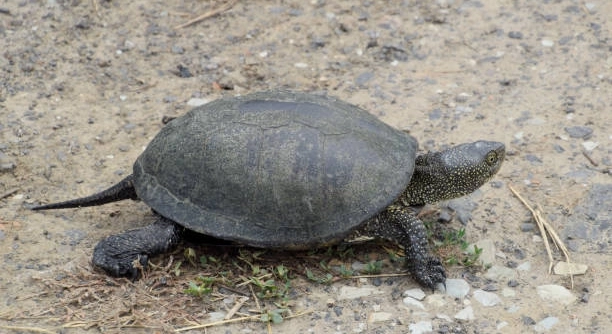
Musk turtles are fascinating creatures with unique abilities to adapt to their surroundings. They have developed various strategies to survive and thrive in different environments. These adaptations help them navigate challenges in their habitats.
Musk turtles adapt to their environments in several ways, including using their ability to breathe through their skin, tolerate different water conditions, and utilize their strong sense of smell for finding food. These strategies aid their survival.
These fascinating abilities demonstrate how musk turtles have evolved to overcome environmental challenges. Understanding these adaptations reveals the remarkable resilience of these creatures.
Breathing Through Their Skin: An Unseen Adaptation
Musk turtles have an extraordinary ability to breathe through their skin. This adaptation allows them to survive in oxygen-poor water or during long periods submerged. While most turtles rely on their lungs for breathing, musk turtles can absorb oxygen through specialized areas of their body, including the throat and cloaca. This gives them an advantage in environments with fluctuating oxygen levels, like stagnant ponds or murky water. It’s a crucial survival mechanism for times when they are unable to surface for air.
Their skin-based respiration works best in water, especially when oxygen is limited. Musk turtles can also surface for air when needed, giving them flexibility in various environments. This makes them well-suited for areas that other reptiles may find difficult to survive in.
In addition to skin breathing, musk turtles are capable of staying submerged for long periods without coming up for air. This combined adaptation makes them incredibly versatile, allowing them to thrive in a range of aquatic habitats. The ability to adapt in such a manner sets musk turtles apart from other species.
Tolerating Different Water Conditions
Musk turtles can live in a variety of water conditions, including polluted or murky environments.
They possess a strong resistance to water that would typically harm other species. Musk turtles can endure poor water quality, adjusting to changing temperatures and pollution levels. This ability to thrive in less-than-ideal water conditions is crucial for their survival. Their adaptability also allows them to find food in places where other animals might struggle.
Musk turtles’ tolerance to different water conditions is linked to their unique ability to handle fluctuating environmental changes. This resilience helps them live in regions that are often overlooked by other species. They are known to live in both freshwater and brackish water, adjusting easily to salinity levels. They have even been observed thriving in environments with higher than usual levels of ammonia or other pollutants. Their physical and biological adjustments allow them to manage such stressors effectively.
Strong Sense of Smell: Finding Food
Musk turtles have a remarkable sense of smell that aids them in locating food, even in murky water.
Their highly developed olfactory system allows them to detect prey and other food sources with ease. This sense is particularly useful in environments where visibility is low. The turtles rely on scent cues to find insects, small fish, and plant matter. It helps them locate food even in dense aquatic vegetation, where their vision might be less effective. This ability to sniff out food in poor visibility conditions is a key survival trait.
The sense of smell also helps musk turtles navigate their surroundings. They can identify areas rich in food and avoid areas where food is scarce. It contributes to their ability to thrive in various habitats. This ability is essential, especially in environments where food availability can be unpredictable. Their olfactory skills play a large part in making musk turtles resourceful foragers.
Shell Defense: Natural Protection
A musk turtle’s shell provides more than just a home; it’s a vital defense mechanism.
Their hard, domed shell protects them from predators, providing a safe retreat when needed. Unlike some turtles, musk turtles do not fully retract into their shells. Instead, they rely on the shell’s strong, protective nature to deter attackers. Their smaller size makes them less likely to be targeted by larger predators, but their shell still offers a crucial layer of defense. The shell serves as a physical barrier that allows them to avoid injury.
The shell’s durability is paired with the turtle’s quick, agile movements in water. Musk turtles can swim quickly, which makes it harder for predators to catch them. They can swiftly escape to a safer area when necessary. This combination of protection and agility ensures their safety in the wild. The flexibility of the musk turtle’s defense system highlights its adaptation to various threats.
Self-Defense: Musk Gland
Musk turtles can release a strong-smelling musk to ward off predators.
This musk is a defense mechanism that confuses or repels potential threats. It serves as a warning signal, signaling danger to predators. The smell is often described as unpleasant, making it effective in deterring attackers.
The musk is secreted from specialized glands located near the base of the tail. This foul-smelling substance makes the turtle less appealing to predators. It gives them an opportunity to escape or seek shelter. By using this unique defense, musk turtles can avoid being eaten or captured by larger animals. It is a simple but effective method for survival.
Sharp Claws: Powerful Tool
Musk turtles also rely on sharp claws for defense and food gathering.
Their claws are strong and sharp, allowing them to dig and defend themselves when necessary. These claws are useful for grasping onto prey or climbing on surfaces. They can be used to quickly dig into soft earth or under rocks to find food. The claws also come in handy when they need to retreat quickly or defend against attackers. Their sharpness and strength make them effective tools in many situations, both for securing food and protecting themselves from threats. The claws are another example of their adaptability to their environment.
Flexible Diet: Opportunistic Feeder
Musk turtles are opportunistic feeders, which means they can adapt to various food sources.
They will eat almost anything available in their environment, from aquatic plants to small fish and insects. This flexibility helps them survive in diverse habitats with fluctuating food availability. Their broad diet ensures they can find nourishment in most conditions. This trait also allows them to thrive in environments where specific food sources might not always be present.
FAQ
What is the lifespan of a musk turtle?
Musk turtles typically live between 20 and 30 years in the wild, although some have been known to live even longer in captivity. Their lifespan is influenced by factors such as environmental conditions, diet, and the presence of predators. In captivity, where they are protected from predators and have consistent access to food and medical care, they may live to be older. Proper care is key for their longevity.
How can you tell the difference between a male and female musk turtle?
Male and female musk turtles can often be distinguished by their size and tail length. Males are usually smaller than females, and they have longer, thicker tails. The tail is more noticeable in males as it extends beyond the edge of the shell, whereas females have shorter, more streamlined tails. Additionally, males typically have a more pronounced curved shell, which aids in mating.
Do musk turtles make good pets?
Musk turtles can make good pets if their specific care needs are met. They require an appropriate habitat with clean water, a proper diet, and space to roam. They are relatively low-maintenance compared to other pet reptiles but still require attention to their physical environment. A well-maintained tank with enough room for swimming and basking is essential for their well-being. Pet owners must also ensure the water is properly filtered and monitored for temperature and chemical levels.
What do musk turtles eat?
Musk turtles are omnivores, which means they eat both plant and animal matter. Their diet consists of aquatic plants, small fish, invertebrates, and insects. They are opportunistic feeders, meaning they will consume whatever food is readily available to them in their environment. In captivity, they can be fed a mix of commercially available turtle pellets, live or frozen fish, worms, and leafy greens. It’s important to provide them with a balanced diet to ensure they receive all the necessary nutrients.
Can musk turtles live in brackish water?
Yes, musk turtles can tolerate brackish water, although they prefer freshwater habitats. They are known to inhabit a wide range of aquatic environments, including ponds, marshes, and slow-moving streams. Some species of musk turtles may occasionally venture into brackish waters, where the salinity is lower than seawater but higher than freshwater. It’s important to monitor their condition and ensure that the water is not too salty, as prolonged exposure to high salinity can affect their health.
How do musk turtles breathe?
Musk turtles can breathe through their lungs, but they also have the ability to absorb oxygen through their skin. This adaptation allows them to stay submerged for long periods of time, which is particularly useful in oxygen-deprived water. They can also breathe through specialized areas near their cloaca, giving them a better chance of survival in environments with limited oxygen. This unique breathing system helps them stay submerged while they forage or escape from predators.
Are musk turtles endangered?
Most species of musk turtles are not currently considered endangered. However, some species, such as the eastern musk turtle, face threats from habitat loss, water pollution, and the pet trade. Conservation efforts are in place in some areas to protect their habitats and ensure they can continue to thrive in the wild. As with many animals, protecting their natural environment is key to their survival. It’s important to avoid disturbing wild populations and support conservation initiatives.
How fast can a musk turtle swim?
Musk turtles are capable swimmers, although they are not as fast as some other turtle species. They can move quickly through water when needed, especially when escaping predators or foraging for food. While their speed is not as impressive as that of sea turtles, musk turtles are agile enough to navigate their habitats effectively. Their strong, webbed feet allow them to propel themselves efficiently through the water, and they can hold their breath for long periods while swimming.
What temperature do musk turtles need?
Musk turtles thrive in temperatures between 75 and 80°F (24 to 27°C) in the water. The air temperature should be kept between 75 and 85°F (24 to 29°C). It’s important to maintain a proper temperature gradient within their habitat so they can regulate their body temperature. A basking spot should be available with a warmer temperature, around 85 to 90°F (29 to 32°C), to help them digest food and maintain health. These temperature ranges mimic their natural environment, ensuring they stay active and healthy.
Do musk turtles hibernate?
Musk turtles can hibernate during the winter months, especially in colder climates. In the wild, they often seek out a place to burrow in the mud or debris at the bottom of ponds or lakes. During hibernation, their metabolic rate slows down, and they survive on the energy stored in their bodies. In captivity, they may not hibernate unless their environment becomes significantly cooler, but it’s still important to monitor their behavior during the colder months. If a musk turtle appears lethargic or inactive, it could be a sign of hibernation.
Final Thoughts
Musk turtles are fascinating creatures with a unique set of skills that help them adapt to their environment. Their ability to defend themselves through musk secretion, sharp claws, and a flexible diet ensures they survive in a variety of habitats. Whether it’s the ability to breathe through their skin or the way they use their claws for defense and foraging, these turtles have evolved remarkable traits that make them well-suited to their surroundings. They show how animals can adapt and thrive in different conditions, using the resources available to them.
Although musk turtles have adapted well to their environment, they still face threats from habitat loss, pollution, and the pet trade. It’s important to understand how we can help protect these species and their natural habitats. Conservation efforts are essential to ensuring the survival of musk turtles in the wild. By respecting their environment, minimizing pollution, and supporting local wildlife conservation programs, we can contribute to their continued existence. They play an important role in their ecosystems, and keeping them healthy benefits the balance of the environment.
For those interested in keeping musk turtles as pets, it’s crucial to understand their care needs. They are relatively easy to care for compared to some other reptiles, but they still require the right environment to thrive. Providing clean water, a balanced diet, and a safe space to roam is key to their health and happiness. With proper care, musk turtles can live long lives in captivity. Whether in the wild or as pets, their resilience and adaptability make them remarkable animals that deserve our attention and respect.

Hello,
If you enjoy the content that we create, please consider saying a "Thank You!" by leaving a tip.
Every little bit helps us continue crafting quality advice that supports the health, happiness, and well-being of pets around the world, for pets of all shapes, sizes, and species.
We really appreciate the kindness and support that you show us!