
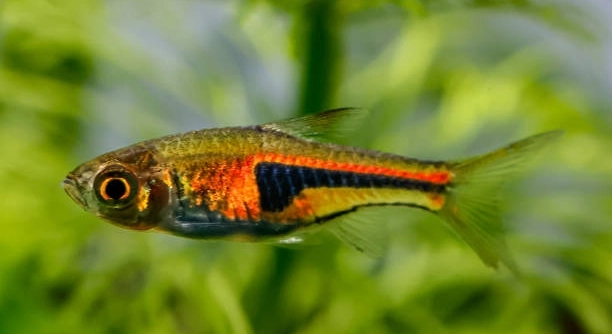
Rasboras are small, active fish that brighten home aquariums with their lively movements and shimmering colors. Observing their daily habits can reveal subtle patterns that make these fish unique and entertaining to watch. Their behavior often surprises new owners.
Rasboras exhibit social schooling behavior, preferring to swim in coordinated groups. They display active foraging habits, respond to environmental changes, and communicate through subtle movements and color shifts, offering insights into their natural instincts and well-being within aquarium settings.
These simple yet fascinating behaviors show just how intricate rasbora interactions can be. Recognizing their patterns helps enhance their care and appreciation in home aquariums.
Schooling Patterns and Group Dynamics
Rasboras are naturally social fish, and their schooling behavior is fascinating to observe. They tend to swim in tight groups, often moving in unison across the tank. This coordinated movement helps them feel safe and reduces stress, as being in a group mimics their natural environment. Their interactions are subtle, including synchronized turns and gentle nudges. Watching these patterns can reveal which individuals are more dominant or timid, and it can also help identify any health issues. Rasboras often adjust their speed and spacing depending on the presence of other fish. Even small changes in lighting or tank layout can influence how they swim together. Observing their schooling habits can deepen understanding of their social needs, ensuring they remain comfortable and active. Consistency in tank conditions encourages stronger group cohesion, making the aquarium a lively and balanced habitat where each rasbora finds its place.
Schooling offers both protection and comfort, encouraging natural behavior that keeps rasboras healthy and engaged.
Maintaining a consistent group size is important. Too few rasboras can lead to stress and erratic swimming, while larger groups provide a sense of security. Tank layout, including plants and hiding spots, affects movement patterns. Providing enough open space allows coordinated swimming, while decorations can encourage exploration. Regular observation can help detect changes in group behavior, such as a fish isolating itself, which may indicate illness. Feeding routines also impact schooling; fish often gather and move together when anticipating food. Lighting and water conditions influence activity levels, so maintaining stable parameters ensures the group remains cohesive. Understanding their natural tendencies allows for an environment that supports both social interaction and individual comfort, promoting a thriving, visually dynamic aquarium.
Feeding Behavior and Preferences
Rasboras are active feeders, often swimming quickly to grab floating or sinking food in the tank.
They prefer small, varied meals that match their size. Live, frozen, or high-quality flake foods support growth and health.
Observing feeding behavior reveals differences in energy and appetite. Some rasboras are bold, swimming straight to food, while others may hang back, waiting for their turn. Regular feeding schedules help reduce competition and stress, ensuring all fish receive proper nutrition. Overfeeding can cause water quality issues, so portion control is essential. Different types of food, like daphnia, brine shrimp, or finely crushed flakes, can keep their diet interesting and encourage natural foraging habits. Watching them eat also provides insight into their physical condition. Changes in appetite or feeding speed can signal health problems early. Feeding strategies can enhance their overall well-being, allowing rasboras to exhibit natural, energetic behaviors while maintaining a clean, balanced tank environment.
Color Changes and Mood Signals
Rasboras can subtly change their colors depending on mood, stress, or health. Bright, vivid hues often indicate comfort and contentment, while dull or faded colors can signal stress or illness, reflecting their response to the environment and social interactions.
Color shifts are influenced by lighting, water quality, and diet. Healthy fish with proper nutrition display more intense coloration. Stressful conditions, such as overcrowding or sudden changes in temperature, can cause fading. Observing these changes helps monitor their well-being and allows timely adjustments. Subtle differences between individuals can also indicate hierarchy or readiness to breed, making color a useful communication tool.
Rasboras often display darker shades when hiding or resting and lighter tones when exploring or feeding. Understanding these patterns helps create an environment that reduces stress, encourages natural behavior, and promotes a healthy, balanced aquarium where their colors remain vibrant and expressive over time.
Interaction With Tank Mates
Rasboras are generally peaceful and thrive with other small, non-aggressive fish in a shared tank environment. Their social behavior ensures smooth interactions, though occasional minor skirmishes may occur.
They communicate subtly through body movements and positioning, signaling intentions without conflict. Their interactions depend on species compatibility, tank size, and the number of hiding spots. Properly matched tank mates encourage schooling and cooperative behavior, enhancing overall activity. Observing these dynamics can prevent stress and aggression, allowing rasboras to coexist comfortably. They respond well to companions with similar swimming habits and energy levels, maintaining harmony in the tank.
Rasboras also adapt to the personalities of their tank mates, showing curiosity or caution depending on the behavior of surrounding fish. Dominant or more energetic species may cause timid individuals to retreat temporarily, while compatible companions encourage group cohesion and natural swimming patterns. Providing adequate space, plants, and decorations ensures that every fish can find shelter or open swimming areas. Regular observation helps detect changes in behavior that may indicate compatibility issues or stress, allowing timely adjustments. Maintaining a balanced community promotes a stable, healthy tank where rasboras and their companions can thrive together.
Resting Spots and Preferred Hiding Places
Rasboras often rest among plants, rocks, or decorations, seeking shelter and security. These hiding spots reduce stress and provide a sense of comfort, allowing them to maintain natural behaviors and feel safe within the aquarium environment.
They prefer areas with moderate coverage, combining open swimming space with secluded spots. Proper placement encourages exploration while giving timid fish a retreat.
Breeding Behavior Observations
During breeding, rasboras display subtle changes in behavior. Males often become more vibrant in color, actively chasing females and performing small displays. Females may become fuller-bodied as eggs develop. Spawning usually occurs among fine-leaved plants or other sheltered areas. Eggs are scattered, and parents do not guard them, requiring careful observation to ensure egg survival. Watching this behavior reveals their natural instincts and helps identify the best conditions for successful breeding, including water quality, temperature, and diet. Adjusting the environment to suit their needs encourages natural reproductive patterns while maintaining a healthy, stress-free habitat for both adults and offspring.
Response to Environmental Changes
Rasboras react quickly to shifts in water temperature, lighting, or tank layout. Their activity levels and swimming patterns adjust to maintain comfort and stability.
FAQ
How many rasboras should be kept together?
Rasboras are social fish that feel most comfortable in groups. Keeping at least six together allows natural schooling behavior, reducing stress and encouraging active swimming. Smaller groups may lead to timid behavior, while larger groups enhance group dynamics and make the aquarium visually lively.
What type of tank setup do rasboras prefer?
A well-planted tank with open swimming areas is ideal. Live or artificial plants, rocks, and small decorations provide hiding spots. Moderate water flow and gentle filtration help mimic their natural environment, while maintaining clean, stable water conditions is essential for their health.
What do rasboras eat?
They are omnivorous and enjoy a varied diet. High-quality flake or micro-pellet foods, along with frozen or live options like brine shrimp, daphnia, or bloodworms, provide proper nutrition. Feeding small amounts multiple times a day prevents overfeeding and keeps water quality stable.
How can you tell if rasboras are healthy?
Healthy rasboras display bright colors, active swimming, and smooth scales. They respond to feeding quickly, swim in coordinated groups, and do not isolate themselves for long periods. Faded colors, clamped fins, or lethargy may indicate stress, poor water quality, or illness.
Do rasboras get along with other fish?
Rasboras are generally peaceful and thrive with other small, non-aggressive species. Compatibility depends on similar size, temperament, and swimming habits. Avoid housing them with large, aggressive fish that may bully or stress them, as this can disrupt schooling and increase vulnerability to illness.
How often should the tank water be changed?
Regular water changes are crucial. Replacing 20–25% of the water weekly helps maintain stable water chemistry and removes waste. Monitoring parameters like pH, ammonia, nitrites, and nitrates ensures a healthy environment and supports natural behavior, including feeding, schooling, and breeding.
Do rasboras need special lighting?
Moderate lighting works best. Too bright light can stress them, while very low light may dull their colors. Lighting should simulate natural day-night cycles to support activity patterns and highlight their vibrant hues, enhancing both health and aesthetic appeal.
Can rasboras breed in a home aquarium?
Yes, under proper conditions. They prefer slightly acidic, soft water and plenty of fine-leaved plants for egg-laying. Males display vibrant colors and court females, who scatter eggs among the foliage. Parents do not guard eggs, so separation or protective measures help increase survival rates.
What signs indicate stress in rasboras?
Stress can be identified through erratic swimming, hiding, faded coloration, or loss of appetite. Causes include poor water quality, overcrowding, incompatible tank mates, or sudden environmental changes. Prompt adjustments in care, water conditions, and tank layout reduce stress and restore natural behavior.
How long do rasboras typically live?
With proper care, rasboras can live 4–6 years. Longevity depends on stable water conditions, a balanced diet, and a stress-free environment. Observing behavior, maintaining group cohesion, and providing hiding spots all contribute to their overall health and lifespan.
Are there differences in behavior between rasbora species?
Yes, different species exhibit variations in activity levels, color patterns, and social dynamics. Some are more active swimmers, while others prefer denser vegetation. Understanding species-specific traits helps provide tailored care, ensuring each rasbora thrives in its aquarium setting.
How can I encourage natural behavior in rasboras?
Providing a spacious tank, varied diet, regular feeding schedules, and environmental enrichment promotes natural behavior. Observing their schooling, feeding, and color changes allows adjustments that support comfort, reduce stress, and enhance overall health in the home aquarium.
Is water temperature important for rasboras?
Yes, maintaining a stable temperature around 72–78°F supports metabolism, activity, and breeding behavior. Sudden fluctuations can cause stress and increase susceptibility to disease. Using a reliable heater and thermometer ensures consistent conditions for optimal health.
Do rasboras interact with their owners?
Rasboras recognize movement outside the tank and may approach during feeding. While they are not highly interactive like some species, they show curiosity and respond to daily routines, providing subtle engagement that adds enjoyment to aquarium care.
Can rasboras live in a planted community tank?
Yes, they thrive in planted tanks with other peaceful species. Plants provide hiding spots, improve water quality, and support natural behaviors. Choosing compatible companions and avoiding aggressive fish ensures a harmonious, stress-free environment for all inhabitants.
This FAQ covers the most common concerns and observations about rasbora care, behavior, and habitat, giving practical guidance for maintaining healthy, active, and visually appealing fish.
Rasboras are small, active fish that bring life and movement to an aquarium. Observing their behavior can be both relaxing and informative. From schooling in tight groups to their subtle color changes, each rasbora has a personality that becomes clearer over time. They rely on social interaction with their own kind, which makes group housing essential. Keeping them in proper numbers helps reduce stress and encourages natural swimming patterns. Their behavior is influenced by many factors, including water quality, temperature, tank layout, and tank mates. A well-maintained environment allows them to thrive and exhibit the behaviors that make them interesting to watch. Understanding these needs is key to maintaining healthy and happy fish.
Feeding is another important aspect of rasbora care. They enjoy a varied diet that includes high-quality flakes, small pellets, and occasional live or frozen foods such as brine shrimp or daphnia. A consistent feeding schedule keeps them active and maintains their energy. Overfeeding, however, can lead to poor water quality and health issues. Watching how each fish approaches food provides insight into their social dynamics and personality traits. Some rasboras are bold and move quickly toward food, while others may hang back and wait their turn. Providing an environment that supports both group interaction and individual behavior creates a balanced and peaceful tank. Attention to these details ensures that rasboras can remain healthy for several years, often four to six, under proper care.
Tank setup and environmental stability play a major role in rasbora behavior. They feel most comfortable in a tank that combines open swimming space with plenty of hiding spots created by plants, rocks, or decorations. Lighting and water conditions should be consistent, and sudden changes should be avoided to prevent stress. Monitoring water parameters, such as temperature, pH, and nitrate levels, is essential. Rasboras also respond to tank mates, and choosing compatible species helps maintain a calm environment. By providing a space that meets their social, nutritional, and environmental needs, you encourage natural behaviors like schooling, exploring, and breeding. Careful observation allows you to notice subtle signs of stress or illness and make adjustments before serious problems occur. Ultimately, rasboras are rewarding fish to keep, offering both visual enjoyment and an opportunity to study interesting behaviors when their habitat is thoughtfully maintained.

Hello,
If you enjoy the content that we create, please consider saying a "Thank You!" by leaving a tip.
Every little bit helps us continue crafting quality advice that supports the health, happiness, and well-being of pets around the world, for pets of all shapes, sizes, and species.
We really appreciate the kindness and support that you show us!