
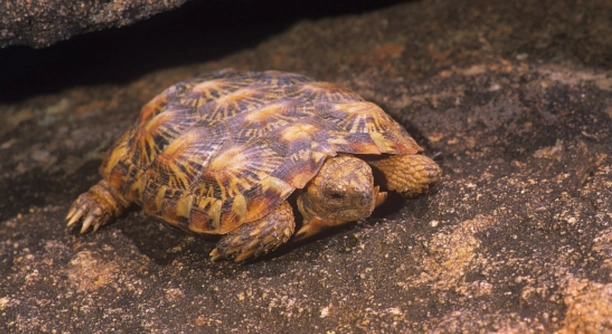
Tortoises are fascinating creatures with unique characteristics and behaviors. While they may appear slow and steady, there’s much more to learn about them. In this article, we’ll share some fun facts that will surprise you.
Tortoises are known for their long lifespan and slow movements. They have unique features such as a hard shell for protection and can live for over 100 years, making them one of the longest-living animals on Earth.
There are many interesting things to discover about tortoises. From their impressive lifespan to the different species, these facts will shed light on their fascinating world.
Tortoises Have Impressive Lifespans
Tortoises are remarkable for their long lives. Some species, like the Galápagos tortoise, can live up to 100 years or more, outliving many other animals. Their slow metabolism contributes to this longevity, as they don’t age as quickly. With proper care, pet tortoises can live for decades, making them a long-term companion. They also have a high resistance to illness, which helps them remain healthy throughout their lives. This ability to thrive for so long is one of the most intriguing aspects of their biology.
Their lifespan can be influenced by factors like diet, environment, and genetics. In the wild, tortoises can face dangers like predators and habitat loss, but many are still able to survive into old age. Those in controlled environments, like zoos or as pets, tend to live longer due to better protection and care. While their long lives might seem unremarkable at first, when you consider their relatively low metabolism and slow growth, it’s easy to appreciate just how resilient they are.
The care tortoises need throughout their lives is minimal but important. Providing the right habitat, temperature, and food can help extend their lifespan even further. A tortoise’s longevity is not just about genetics, but also about consistent care, which is vital for maintaining their health and well-being.
Tortoises Can Retreat Into Their Shells
Tortoises are famous for their ability to retract into their shells when threatened. This defense mechanism helps protect them from predators. Unlike some animals that rely on speed or camouflage, tortoises’ shells offer a safe refuge in times of danger. It’s a survival trait that has kept them protected for millions of years.
Their shells are made of bone, not just a hard covering. The structure is an integral part of their skeleton, meaning they can’t remove it. The top part, called the carapace, and the underside, called the plastron, form a protective barrier. Tortoises can retract their head and limbs into these spaces, creating a strong defense.
Despite their vulnerability when outside their shells, tortoises are generally slow and methodical creatures. They move at their own pace but can be quite determined when finding food or moving to a new spot. Their shell is a constant reminder of how unique they are in the animal kingdom.
Tortoises Are Herbivores
Tortoises primarily eat plants. Their diet consists of grasses, leaves, fruits, and flowers. They tend to avoid meat and animal products, focusing on what grows around them. This plant-based diet provides them with the necessary nutrients for survival, like fiber and vitamins. A healthy diet is essential for their overall well-being.
Because tortoises are herbivores, they need a variety of plant material in their diet to stay healthy. Fresh, leafy greens such as kale, dandelion, and clover are ideal for them. It’s important to avoid feeding them high-protein foods or foods that are too rich in fat, as this can lead to health problems. A balanced diet ensures they get enough calcium for their shells and bones.
Feeding tortoises the right plants is key to avoiding nutritional imbalances. They benefit from a mixture of different vegetables and fruits. However, some fruits should be given in moderation due to their sugar content. Regular feeding of appropriate plants helps maintain a tortoise’s health and energy levels.
Tortoises Are Slow Movers
Tortoises are known for their slow pace. Their sluggishness comes from their heavy shells, which are designed for protection, not speed. Their muscles and legs are built for strength, not agility, allowing them to move steadily but not quickly. This slow pace is part of their nature.
While they may be slow, tortoises are often quite determined. They take their time when exploring and foraging, but they get to where they need to go. Their slow pace is an adaptation to their environment, where there’s no need to rush. They have a leisurely approach to life, taking each step carefully.
The slow movements of tortoises have a calming effect. Watching them can make you appreciate the quiet, steady pace of nature. Their deliberate motions remind us that there’s no need to rush, even when the world seems fast-paced. Tortoises are living examples of patience and persistence.
Tortoises Can Live in Various Habitats
Tortoises are adaptable creatures. They live in many different environments, from deserts to tropical forests. Some species thrive in dry, hot conditions, while others prefer the cool, humid areas. This wide range of habitats shows how resilient tortoises can be in adjusting to different surroundings.
The different species of tortoises have unique needs based on their environment. For example, desert tortoises are adapted to withstand extreme heat and conserve water, while tropical tortoises are better suited to moist, shaded areas. These adaptations allow them to survive in climates that might otherwise be challenging for other animals.
Their ability to adjust to various habitats contributes to their survival across the globe. By finding homes in diverse climates, tortoises show just how versatile they are, thriving in both arid and wetter conditions. It’s one of the reasons why they’ve lasted for millions of years.
Tortoises Have Excellent Memory
Tortoises have a strong sense of memory. They can remember where they find food and how to navigate their surroundings. Their ability to recognize patterns and recall important locations helps them survive in the wild. It’s an impressive feature for a creature often thought of as slow.
Their memory extends beyond simple tasks. Some tortoises can recognize their owners, understanding who feeds them and who they interact with. This ability to remember faces and places contributes to their overall survival strategy. They can learn routines, which makes their life easier in both the wild and in captivity.
Tortoises Can Breath Through Their Butts
Tortoises have a unique ability to absorb oxygen through their cloaca, the opening they use for waste. This rare adaptation allows them to extract oxygen while submerged in water. It helps them stay underwater longer when needed, a survival trait that sets them apart from many other reptiles.
FAQ
How long do tortoises live?
Tortoises are among the longest-living animals. Depending on the species, they can live anywhere from 50 to over 100 years. The Galápagos tortoise, for example, can live well beyond 100 years. A tortoise’s longevity is influenced by factors such as diet, environment, and genetics. In captivity, they often live longer because they’re protected from predators and harsh environmental conditions.
What do tortoises eat?
Tortoises are herbivores and primarily eat plants. Their diet includes grasses, leaves, flowers, and fruits. They need a variety of vegetables and plants to stay healthy, and a balanced diet ensures they get the nutrients required for their long lives. Some tortoises will also nibble on mushrooms or cacti when available. It’s important not to feed them high-protein or fatty foods as this can cause health issues.
Can tortoises swim?
Tortoises can swim but only for short periods. While they can paddle in water, they aren’t built for prolonged swimming like turtles. Tortoises are better suited to land habitats, although some species, such as the African spurred tortoise, enjoy a shallow soak from time to time. They prefer to stay on dry land and only enter the water to drink or cool off.
How much space do tortoises need?
Tortoises need a lot of space, especially if kept as pets. They are active and curious creatures, so providing a large area where they can roam is important. A spacious outdoor enclosure with plenty of places to hide, climb, and explore is ideal. If kept indoors, they need a large, safe enclosure where they can move freely, along with appropriate lighting and temperature conditions.
Do tortoises need water?
Yes, tortoises need water for hydration, but they don’t swim in it like turtles. It’s important to provide a shallow water dish for drinking and soaking. Some species of tortoises enjoy soaking in water, which helps them stay hydrated and aids in the shedding of their skin and shells. Keep the water clean and change it regularly to avoid bacteria build-up.
Can tortoises be kept as pets?
Tortoises can make great pets, but they require a lot of care and attention. They need a specific environment, diet, and regular health checks. Before getting one, you need to be aware of their long lifespan and space requirements. A tortoise might live for decades, so it’s a long-term commitment. Additionally, some species are protected by conservation laws, so it’s important to ensure you’re adopting a legal and ethical pet.
What temperature do tortoises need?
Tortoises need warmth, but the exact temperature depends on the species. Generally, they need a basking spot with temperatures around 85–95°F (29–35°C) during the day and a cooler area of about 70–75°F (21–24°C) at night. It’s important to replicate these temperature ranges if you keep them indoors, using special lamps or heating pads. Some species, like desert tortoises, require hotter temperatures, while others, like tropical species, prefer slightly cooler surroundings.
How often should I feed my tortoise?
Tortoises should be fed daily or every other day, depending on their age and size. Younger tortoises typically eat more frequently than adults. A variety of fresh vegetables, leafy greens, and some fruits should be offered each time. The exact amount will vary depending on the tortoise’s size and species. Be sure to avoid overfeeding, as tortoises can become overweight, which can lead to health problems.
Do tortoises need to hibernate?
Some species of tortoises do hibernate, while others do not. Tortoises that live in cooler climates often go through a period of hibernation or brumation during the colder months. This helps conserve energy when food is scarce. If your pet tortoise is one that hibernates, it’s important to provide the proper environment and care. However, not all tortoises need to hibernate, and species from warmer climates typically do not undergo this process.
Are tortoises endangered?
Many species of tortoises are endangered due to habitat loss, poaching, and climate change. The famous Galápagos tortoise, once on the brink of extinction, has made a comeback due to conservation efforts. However, some species, like the Russian and Madagascan radiated tortoises, are still critically endangered. It’s important to support conservation efforts and ensure that any pet tortoises you own come from legal and ethical sources.
How do tortoises reproduce?
Tortoises reproduce through mating, where the male will court a female by performing specific behaviors like head bobbing or trying to mount her. After mating, the female will lay eggs in a safe location. The number of eggs varies depending on the species. Some tortoises can lay up to 20 eggs at a time. The eggs are left to incubate in the soil, and after a few months, baby tortoises hatch. The temperature of the environment can even influence the gender of the offspring, with warmer temperatures typically resulting in more females.
How do I take care of a pet tortoise?
Taking care of a pet tortoise involves providing proper habitat, diet, and health care. Ensure that they have a spacious enclosure with proper lighting and temperature. Offer a variety of vegetables and fruits as food. Regularly clean their living area to avoid the spread of bacteria. Pet tortoises need access to fresh water, and their shells should be monitored for signs of wear or damage. Regular vet checkups are also essential to ensure your tortoise stays healthy.
Final Thoughts
Tortoises are fascinating creatures with unique characteristics that make them stand out among other animals. Their long lifespan, slow movements, and ability to survive in various habitats are just a few of the features that make them intriguing. While they may appear simple on the outside, there’s much more to them than meets the eye. Tortoises are incredibly adaptable and resilient, capable of thriving in different environments, from deserts to tropical forests. They also have impressive memory skills, helping them navigate their surroundings and remember important locations.
If you’re considering having a tortoise as a pet, it’s important to understand the care they require. Tortoises need specific conditions to thrive, including a suitable habitat with the right temperature, space, and diet. They also need to be hydrated properly and should be offered a variety of plants to meet their nutritional needs. While they are relatively low-maintenance compared to other pets, they still require time and attention. Their long lifespan means they are a long-term commitment, and it’s important to be prepared for the years of care they will need.
Overall, tortoises are amazing creatures that offer a unique perspective on the natural world. Whether you’re learning about them in the wild or caring for one as a pet, there’s much to appreciate. Their slow and steady nature serves as a reminder to take things at our own pace and enjoy the simpler things in life. With the right care and attention, tortoises can be a fascinating and rewarding part of your life for many years.

Hello,
If you enjoy the content that we create, please consider saying a "Thank You!" by leaving a tip.
Every little bit helps us continue crafting quality advice that supports the health, happiness, and well-being of pets around the world, for pets of all shapes, sizes, and species.
We really appreciate the kindness and support that you show us!