
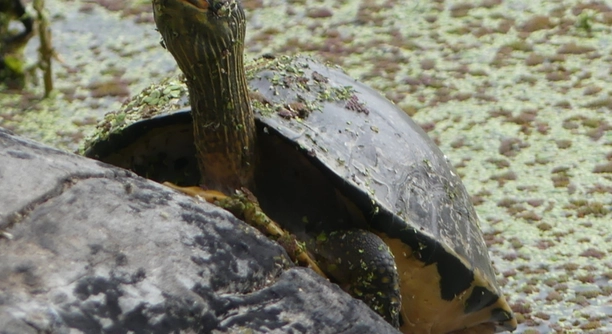
Indian Roofed Tortoises are fascinating creatures that can be found across India. These unique reptiles are known for their distinctive shell and playful behavior. Their natural habitat and interesting features make them a subject of admiration for animal enthusiasts.
Indian Roofed Tortoises are distinguished by their domed, reddish-brown shells, which they use for protection. They are primarily herbivorous, feeding on plants and fruits, and they thrive in warm, tropical environments, making them a resilient species.
These tortoises offer more than just a remarkable appearance. Discover how their behavior and habitat contribute to their survival in the wild.
1. The Unique Shell of Indian Roofed Tortoises
The Indian Roofed Tortoise is easily recognized by its distinct, domed shell. Unlike other tortoises, its upper shell has a somewhat “roofed” appearance, making it stand out. This unique shape is not just for show; it provides protection against predators in the wild. The reddish-brown color of the shell helps camouflage the tortoise in its natural environment. These tortoises spend a lot of time on the ground and are known to hide in dense vegetation to avoid being seen. The design of their shells also allows them to pull their heads and legs inside for additional safety when necessary. This defensive mechanism is essential for their survival in the wild.
Their shell is not just an aesthetic feature but also crucial for survival. The combination of shape and color offers them protection against predators, helping them live longer and thrive in the wild.
Indian Roofed Tortoises are typically seen in dry and semi-arid regions. Their ability to adapt to various environments makes them resilient, even in challenging conditions. The design of their shell is one of the reasons they have survived for centuries.
2. Adaptability to Warm Environments
Indian Roofed Tortoises are naturally equipped to survive in warm and dry climates.
Their ability to thrive in heat comes from their slow metabolism and long lifespan. They are capable of withstanding extreme temperatures, particularly in tropical and semi-arid areas. These tortoises often seek shelter during the hottest parts of the day to avoid overheating. By resting under shrubs or inside rocky crevices, they conserve energy and regulate body temperature. This adaptation is essential for maintaining health and surviving in their native habitat. Their ability to endure harsh weather conditions is one of the key reasons they are so resilient.
In addition to temperature regulation, Indian Roofed Tortoises are also able to adjust to varying food availability. They are opportunistic eaters, grazing on plants, fruits, and even fallen leaves. Their diet helps them remain healthy in areas where resources may be scarce. Being herbivores, their digestive system is suited to process a wide range of plant matter, ensuring they get the nutrients they need. This diet, combined with their temperature regulation, gives them an advantage in the wild, enabling them to endure the harsh climates of India.
3. Behavior and Activity Levels
Indian Roofed Tortoises are primarily active during the day. They spend much of their time foraging for food and exploring their surroundings.
These tortoises are generally solitary and do not interact with others unless it’s during the mating season. They are slow-moving, preferring to stay in one area once they find a comfortable spot. Despite their slow pace, they have a strong sense of territoriality and can be seen defending their space from others. Their activity peaks in the morning or late afternoon when the temperatures are cooler, which is when they are most likely to search for food or bask in the sun.
While they may be slow in movement, they are highly efficient when it comes to finding food. The tortoises use their sense of smell to locate plants and fruits. They also have a keen sense of sight that helps them navigate their environment, even in dense vegetation.
4. Reproduction and Lifespan
Indian Roofed Tortoises typically breed during the monsoon season.
The mating process is quite straightforward, with males often engaging in courtship behaviors like head-bobbing and gentle biting. After mating, the female lays eggs in shallow burrows. She can lay up to 4-6 eggs per clutch, which she incubates for several months. Upon hatching, the young tortoises are left to fend for themselves, relying on their natural instincts to survive. They do not receive any parental care after birth.
These tortoises have impressive lifespans, often living 30 years or more in the wild. Their longevity is largely due to their slow metabolism and low stress levels. Additionally, the tough, protective shell acts as a shield against many dangers they may face, contributing to their long lives. Because of their unique reproductive cycle and natural defenses, these tortoises are well-equipped to thrive in their environment, maintaining stable populations in their natural habitats.
5. Habitat and Distribution
Indian Roofed Tortoises are found primarily in India and Sri Lanka. They prefer dry, semi-arid, and tropical habitats.
These tortoises thrive in areas with abundant vegetation for grazing. They are often spotted in grasslands, forest edges, and scrublands. Their ability to adapt to various environments contributes to their wide distribution across these regions.
6. Diet and Feeding Habits
Indian Roofed Tortoises are herbivores, feeding on a wide range of plants.
They eat grasses, fruits, and leaves, and they also enjoy succulents. These tortoises have a preference for soft, young plant material, which is easier to digest. Their diet helps them stay healthy in the wild and survive in their natural habitats.
7. Conservation Status
Indian Roofed Tortoises are not currently considered endangered.
However, their populations are affected by habitat loss and illegal poaching. As human development encroaches on their natural habitats, these tortoises face increasing risks. Conservation efforts are important to ensure they remain protected from further decline.
FAQ
What is the lifespan of an Indian Roofed Tortoise?
Indian Roofed Tortoises have a long lifespan, often living for 30 years or more in the wild. Their slow metabolism and protective shell contribute to their longevity. In captivity, where they are less exposed to predators, they may live even longer. A proper diet and care can further extend their lives, but in the wild, they are vulnerable to predators and harsh environmental conditions, which can shorten their lifespan.
What do Indian Roofed Tortoises eat?
These tortoises are herbivores, feeding on grasses, fruits, leaves, and succulents. They prefer young, soft plant material, which is easier to digest. In the wild, they graze on a variety of vegetation, helping them stay healthy and strong. They can also feed on fallen fruits and plants during seasonal changes, adjusting their diet to the available resources.
How do Indian Roofed Tortoises survive in extreme temperatures?
Indian Roofed Tortoises have adapted well to warm climates, using their slow metabolism to conserve energy. They often seek shelter during the hottest part of the day, hiding under rocks, shrubs, or burrows to stay cool. Their ability to regulate body temperature by staying in shaded areas during extreme heat is essential to their survival in semi-arid and tropical environments.
Do Indian Roofed Tortoises need water?
Like most tortoises, Indian Roofed Tortoises do require water for hydration, but they do not need to drink frequently. They get most of their water from the plants they consume. It is important for them to have access to fresh water in captivity, especially if their diet lacks moisture-rich plants. In the wild, they will drink from small pools or dewdrops.
Are Indian Roofed Tortoises friendly?
Indian Roofed Tortoises are solitary creatures and generally do not seek interaction with humans. While they may tolerate human presence, they are not particularly social. In captivity, they may become accustomed to their caregivers but remain independent animals. Their focus is mainly on foraging for food and exploring their environment.
Can Indian Roofed Tortoises be kept as pets?
Yes, Indian Roofed Tortoises can be kept as pets, but they require specific care. They need a warm environment with access to natural sunlight or UVB lighting, a varied diet, and a large enclosure with plenty of space to roam. A proper habitat is essential to keep them healthy, and they need regular vet check-ups. Keeping them as pets also requires commitment due to their long lifespan.
How do Indian Roofed Tortoises reproduce?
Indian Roofed Tortoises breed during the monsoon season, with males courting females through head-bobbing and gentle biting. Once mating occurs, the female digs a shallow nest to lay her eggs, usually 4 to 6 per clutch. The eggs are left to incubate in the environment, and after several months, the young hatch. They are independent from birth and must find their own food and shelter.
What is the ideal habitat for an Indian Roofed Tortoise?
Indian Roofed Tortoises thrive in warm, dry, and semi-arid regions. Their natural habitat includes grasslands, scrublands, and forest edges. They need a spacious enclosure with access to sunlight and shade, allowing them to regulate their body temperature. A mix of soft soil, rocks, and vegetation is ideal for mimicking their natural environment.
How can I tell if my Indian Roofed Tortoise is healthy?
A healthy Indian Roofed Tortoise should have a firm, intact shell without any cracks or soft spots. Its eyes should be clear, and it should be active, moving around in search of food. Healthy tortoises also maintain a steady weight, and their appetite should be consistent. Any signs of lethargy, difficulty eating, or abnormal behavior may indicate health issues, requiring veterinary attention.
What should I do if my Indian Roofed Tortoise is not eating?
If your Indian Roofed Tortoise is not eating, it may be a sign of stress, illness, or environmental issues. Ensure its habitat is at the right temperature and humidity levels, as improper conditions can cause loss of appetite. If the problem persists for several days, it’s important to consult a veterinarian to rule out any health concerns.
Can Indian Roofed Tortoises swim?
Indian Roofed Tortoises are not strong swimmers, though they can wade in shallow water. They may occasionally enter water to drink or cool off, but they prefer to stay on land. Unlike aquatic tortoises, they do not spend significant time in water and do not have the adaptations for swimming.
Are Indian Roofed Tortoises endangered?
Currently, Indian Roofed Tortoises are not considered endangered. However, they face threats due to habitat destruction and illegal poaching. In some regions, their population is declining because of human encroachment and collection for the pet trade. Conservation efforts are important to ensure their long-term survival.
Final Thoughts
Indian Roofed Tortoises are fascinating creatures, known for their adaptability and long lifespan. These tortoises are well-suited to their natural habitats in India and Sri Lanka, thriving in semi-arid and tropical environments. Their ability to endure harsh conditions, such as high temperatures, is a key feature of their survival. Although they are not endangered at the moment, they face growing risks from habitat destruction and illegal collection. It is important to recognize the challenges they face and consider the impact human activities have on their populations.
If you’re considering keeping an Indian Roofed Tortoise as a pet, it’s crucial to understand their needs. These tortoises require specific care, including a proper diet, a spacious habitat with sunlight, and a temperature-controlled environment. They are not particularly social animals and tend to be solitary, so their care should be approached with patience and commitment. Providing the right conditions for them to thrive can ensure a long, healthy life, whether in the wild or in captivity. Keeping them in a safe and suitable environment is essential to their well-being.
In conclusion, the Indian Roofed Tortoise is an interesting species with unique characteristics. With the right care, they can live long lives in both the wild and as pets. However, it’s important to be aware of their habitat needs and the threats they face. Taking steps to protect their environment and ensure they are cared for properly can help support their survival for generations to come. Awareness and conservation efforts are key in making sure that these tortoises continue to thrive in the wild.

Hello,
If you enjoy the content that we create, please consider saying a "Thank You!" by leaving a tip.
Every little bit helps us continue crafting quality advice that supports the health, happiness, and well-being of pets around the world, for pets of all shapes, sizes, and species.
We really appreciate the kindness and support that you show us!