
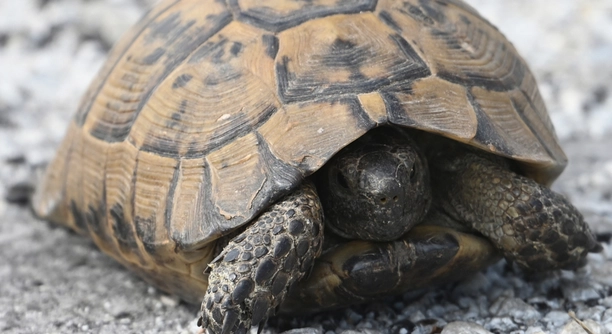
Greek tortoises are fascinating creatures known for their unique behaviors and natural beauty. These tortoises are native to parts of Greece and surrounding areas, making them an interesting subject for those curious about reptiles and their natural habitats.
Greek tortoises are a species of land tortoise that inhabit dry, rocky environments. They are herbivores and primarily feed on grasses, flowers, and leaves. These tortoises are known for their long lifespan, often living for decades in the wild.
From their surprising diet to their impressive adaptability, there’s a lot more to these little reptiles than meets the eye. Keep reading to discover fun facts about Greek tortoises!
Greek Tortoises Are Masters of Camouflage
Greek tortoises have an impressive ability to blend into their environment. Their shells feature shades of brown and yellow, which help them blend into the dry, rocky landscapes they call home. This camouflage not only protects them from predators but also aids them in avoiding extreme temperatures. The pattern and color of their shells are unique to each tortoise, making it hard to spot them when they retreat into their surroundings.
Their ability to blend in is a significant survival trait, allowing them to stay hidden from potential threats in the wild. It’s essential for them to remain unnoticed, especially when there are predators nearby, like birds of prey.
Interestingly, their shells are not just for protection but also serve as a shield against the harsh sun. The color of their shells helps regulate their body temperature, allowing them to stay cool during hot summer days. This adaptive feature ensures they thrive in their native environment.
Greek Tortoises Have a Surprisingly Slow Metabolism
Greek tortoises are known for having a slow metabolism. This slow rate of digestion helps them survive in environments where food may not always be abundant. Due to their diet, which is primarily low in energy, their bodies adapt by using energy efficiently, storing it when necessary.
The tortoises can go for days without food, as their bodies rely on fat reserves stored in their shells. This allows them to conserve energy, especially in harsh conditions where food might be scarce. Additionally, Greek tortoises can also go into a state of dormancy during colder months, further conserving their energy levels.
Greek Tortoises Have Strong Home Territories
Greek tortoises are territorial creatures. They often claim specific areas as their own, especially when they are in a safe, comfortable environment. Male tortoises are particularly known for their territorial behavior, as they will often mark their territory to ward off other males. They use their scent glands for this purpose.
When in their designated area, Greek tortoises feel secure. They spend much of their time searching for food, resting, or simply exploring. These areas offer them shelter from the harsh sun and provide a space where they can feel safe from predators. Their territories help them thrive in their environment.
While they are territorial, Greek tortoises do not aggressively fight over space. Instead, they use signals like posture and scent to communicate boundaries. This non-violent behavior is typical in tortoises, who prefer to avoid conflict and instead rely on subtle cues to establish dominance.
Greek Tortoises Have a Unique Reproductive Process
Greek tortoises have an interesting reproductive cycle. Mating season begins during the spring, where males engage in elaborate courtship rituals to attract females. Males may chase females, nudge them, and even make a specific vocalization. They are known to be persistent during this time, making their courtship a notable part of their behavior.
Females, once mated, dig a burrow to lay their eggs. After digging a hole, they deposit their eggs, typically in a warm, dry area, where the temperature is crucial for the development of the eggs. The number of eggs varies, but they usually lay between two and eight at a time.
After laying their eggs, the female will cover them up and leave. The eggs incubate in the warmth of the environment until the hatchlings emerge. The babies are born with fully formed shells and can immediately begin their journey of survival in their natural habitat. This process ensures that the species continues to thrive.
Greek Tortoises Are Slow Movers
Greek tortoises are known for their slow movements. Their pace is deliberate, often moving at a steady crawl as they search for food or explore their territory. While they aren’t quick runners, their slow movements are perfectly suited to their calm, steady lifestyle.
The slow pace helps them conserve energy, which is essential for surviving in their dry habitats. They don’t need to rush to find food, as their environment provides enough sustenance. Their energy-efficient movement also protects them from exertion in extreme temperatures, ensuring they don’t overheat.
Greek Tortoises Can Live for Decades
Greek tortoises are long-lived creatures. They can live up to 50 years or more, depending on their environment and care. This longevity is a result of their slow metabolism and their ability to adapt to different conditions. In the wild, they thrive with minimal care.
Their long lifespan also makes them a species of interest to researchers studying aging and longevity in animals. It’s not uncommon for a Greek tortoise to outlive other pets, making them a unique and enduring companion.
Greek Tortoises Are Herbivores
Greek tortoises primarily eat plant-based food. They graze on grasses, leaves, and flowers, which make up the majority of their diet. Their digestive systems are adapted to process tough plant material, allowing them to extract the nutrients they need to survive.
FAQ
What do Greek tortoises eat?
Greek tortoises are herbivores and primarily eat grasses, leaves, flowers, and other plant material. They graze on a variety of plants, which provide them with the essential nutrients they need to thrive. Their diet is low in protein but high in fiber, which aids in their slow digestion. Occasionally, they may nibble on fruits like berries, but this is not a regular part of their diet. It’s important for their food to be fresh and free from pesticides, ensuring they stay healthy and avoid toxins.
Do Greek tortoises need special care?
Greek tortoises do require some special care to thrive, especially in captivity. They need a warm, dry environment that mimics their natural habitat. A proper enclosure with access to UVB lighting is essential, as this helps them absorb calcium and maintain strong bones. They also require a varied diet, which may include leafy greens, weeds, and edible flowers. Regular access to fresh water is necessary, though they may not drink much at once, so a shallow dish is often sufficient.
How long do Greek tortoises live?
Greek tortoises are long-lived, with lifespans of 50 years or more in the wild. In captivity, with the right care, they can live up to 100 years, though the average lifespan is usually around 70 to 80 years. Their long lives are partly due to their slow metabolism and adaptability to their environment. Providing a stable, appropriate habitat with proper nutrition and health care can help ensure they live a long, healthy life.
What is the best habitat for a Greek tortoise?
Greek tortoises thrive in an outdoor enclosure with plenty of space to roam. A safe, secure yard with natural vegetation is ideal. The enclosure should include areas for hiding, basking in the sun, and accessing fresh food. In colder climates, it’s important to provide a heated indoor enclosure during the winter months. The enclosure should have a secure fence to prevent escapes, as Greek tortoises are known to burrow. For captive environments, providing proper UVB lighting and a heat source is essential.
Can Greek tortoises swim?
Greek tortoises are not strong swimmers. While they can handle shallow water, they are land-based animals and prefer to stay on dry ground. Exposure to water should be limited to baths for hydration and cleaning. Greek tortoises should never be placed in deep water, as they can become stressed or even drown if unable to find land to rest on. It’s important to provide them with a shallow water dish for drinking and soaking, but they should not be left in standing water for long periods.
How often do Greek tortoises need to eat?
Greek tortoises typically eat once a day, but they can go without food for several days if necessary. Their slow metabolism allows them to store energy from previous meals. In the wild, they may not find food every day, so their bodies are adapted to function without constant access to food. In captivity, offering food daily ensures they get the right nutrients. The diet should be varied to include grasses, leafy greens, and some flowers, and fresh water should always be available.
Do Greek tortoises hibernate?
Yes, Greek tortoises are known to hibernate, especially during the colder months. This is a natural survival mechanism to avoid harsh weather conditions and food scarcity. In captivity, if the temperature drops below 50°F (10°C), they may enter a state of dormancy, where their metabolic rate slows down. If hibernating, it’s crucial to monitor their health closely and make sure they are not too cold, as improper hibernation can lead to health problems. However, not all Greek tortoises hibernate, especially in warmer climates or indoor environments.
Are Greek tortoises social?
Greek tortoises are generally solitary creatures. They do not form social groups and tend to be territorial. In the wild, they will typically establish their own space and defend it from other tortoises. While they can tolerate the presence of other tortoises, they are not social animals like some other species. In captivity, it’s often best to house them alone unless you have a large enough enclosure to provide each tortoise with its own territory. Overcrowding can lead to stress and territorial disputes.
Can Greek tortoises be kept with other pets?
Greek tortoises can sometimes be kept with other pets, but care must be taken to ensure that the other animals do not pose a threat. They should not be housed with larger or more aggressive animals that could harm them. If keeping them with other reptiles, make sure the species are compatible and have similar environmental needs. Greek tortoises can sometimes be housed with smaller herbivorous animals like certain types of turtles, but close monitoring is necessary to ensure the tortoise’s safety.
How can I tell if my Greek tortoise is healthy?
A healthy Greek tortoise will have bright eyes, a clean shell, and active behavior. Their shell should be free from cracks, lesions, or excessive softness. You should also check their nails and beak, which should be well-formed and not overgrown. If your tortoise is eating regularly and showing interest in exploring its environment, that’s a good sign of health. Any signs of lethargy, lack of appetite, or changes in behavior could indicate a health issue and may require a vet’s attention. Regular check-ups with a reptile vet can help ensure your tortoise stays in top condition.
Do Greek tortoises need to be bathed?
Greek tortoises benefit from occasional baths, which help keep their skin clean and hydrated. They don’t drink much water, so a bath can be a way for them to rehydrate. It also helps in cleaning their shells and stimulating their natural behaviors. A shallow bath with warm water for 10 to 15 minutes a few times a week is usually sufficient. Make sure the water level is shallow enough for your tortoise to stand comfortably and avoid the risk of drowning.
Final Thoughts
Greek tortoises are fascinating creatures that make great pets for those willing to provide them with proper care. They are long-lived and can thrive in both indoor and outdoor environments, as long as their habitat meets their specific needs. With the right diet, a secure and spacious enclosure, and appropriate temperature and lighting, Greek tortoises can live a healthy, fulfilling life. Their calm and solitary nature makes them relatively low-maintenance, but they still require daily attention to ensure their well-being.
Caring for a Greek tortoise involves more than just feeding and providing shelter. Regular check-ups with a vet, a balanced diet of leafy greens and grasses, and access to clean water are essential to keep them healthy. It is also important to be aware of their hibernation needs and manage their environment accordingly. Greek tortoises are not suited for environments with extreme temperatures, so it’s important to regulate their surroundings, especially if they are kept indoors during colder months. Maintaining a routine for them, including baths and sun exposure, helps support their overall health.
Ultimately, owning a Greek tortoise can be a rewarding experience for those who understand their care requirements. These tortoises offer a calm, quiet presence in any home, and their long lifespan means they can be companions for many years. By providing them with a suitable habitat, a varied diet, and the right amount of attention, you’ll ensure your tortoise leads a happy and healthy life. However, before getting one, it’s crucial to research their needs and commit to the responsibilities of long-term care. With the right preparation, a Greek tortoise can become a cherished member of the family.

Hello,
If you enjoy the content that we create, please consider saying a "Thank You!" by leaving a tip.
Every little bit helps us continue crafting quality advice that supports the health, happiness, and well-being of pets around the world, for pets of all shapes, sizes, and species.
We really appreciate the kindness and support that you show us!