
Have you ever watched a clownfish swim through coral and wondered what makes these colorful creatures so fascinating to so many people?
Clownfish have unique traits beyond their bright colors and animated fame. They form complex social hierarchies, change sex when needed, and rely on mutualism with sea anemones for survival. These behaviors make them incredibly interesting marine animals.
From their unexpected habits to their surprising abilities, these fun facts will give you a fresh look at life beneath the sea.
Clownfish Can Change Their Sex
Clownfish are all born male, and within each group, the most dominant individual becomes the female. This female mates with the dominant male, and if she dies, the next strongest male transforms into a female to take her place. It’s a built-in system that helps keep the group stable and allows reproduction to continue without the need for new members. This process is known as sequential hermaphroditism and is common in several fish species. It’s a clear example of how clownfish rely on social roles to survive and adapt. Their ability to change sex isn’t random; it’s driven by a structured hierarchy that allows only one female per group. While it might sound unusual, it works efficiently for their environment and helps maintain balance in their small social units. Understanding this behavior gives insight into how clownfish thrive in their tight-knit underwater homes.
This adaptation helps clownfish continue breeding even if a female is lost.
Their sex change happens through hormone shifts that alter both behavior and physical traits. Once the transition begins, the fish’s role in the group quickly changes. The shift is irreversible, meaning a male-turned-female won’t return to being male. It’s a strategic advantage, especially in isolated environments.
Clownfish Use Anemones for Protection
The bond between clownfish and sea anemones is not just for comfort—it’s essential.
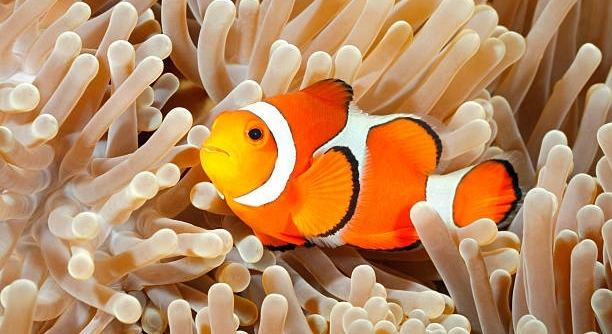
Clownfish live safely within the stinging tentacles of sea anemones, protected from predators that can’t tolerate the sting. In return, clownfish help keep the anemone clean by eating debris and parasites, and their movement boosts water circulation, which benefits the anemone. This relationship is a form of mutualism. The clownfish develop a special mucus coating that protects them from being harmed by the anemone’s sting. Without this coating, they wouldn’t survive the interaction. Clownfish typically stay close to their anemone host and rarely leave its safety. This partnership helps both creatures thrive in the reef ecosystem, where threats are constant. Young clownfish instinctively search for an anemone shortly after settling on the reef. Once paired, they remain loyal to that one host. This bond not only keeps clownfish safe but also strengthens the health of the anemone itself, making the relationship truly necessary for both.
Clownfish Are Very Territorial
Clownfish do not like to share their space. They aggressively protect their host anemone from other fish and even from other clownfish. Their small size doesn’t stop them from standing their ground when they feel threatened.
Their territorial behavior helps them maintain control over their anemone, which is essential for survival. Clownfish use quick movements and direct attacks to chase away intruders. These actions aren’t just instinct—they’re necessary for protecting food, shelter, and their breeding space. They also use visual cues and body posture to show dominance. The most dominant clownfish in a group often performs regular displays of aggression to remind the others of their place. These interactions are short but effective. Without this level of control, their structured group would break down, leaving them more vulnerable to predators and competition.
Living in such a confined space means clownfish must be assertive. If another fish gets too close, the clownfish strikes. They nip fins or ram their bodies into intruders. Even within their own group, they use sharp behaviors to maintain order. While they don’t cause serious harm, they do make their limits clear. This helps the group stay organized, with every member understanding their rank and place.
Clownfish Have a Strict Social Order
In every clownfish group, there is one female at the top, followed by the dominant male, and the rest are non-breeding males.
This order prevents constant fighting and keeps the group stable. Each clownfish knows its role and won’t try to move up unless the one above dies. The female is the largest, while the lowest-ranking males are the smallest. The strict order even affects growth—lower-ranking fish grow slower to avoid challenging their superiors. If the female dies, the dominant male becomes the new female, and the next male moves up. This structure reduces conflict and ensures survival. Fighting rarely breaks out because the roles are clearly understood. Clownfish are one of the few species where social control is based on size and behavior rather than physical fights. It’s a quiet but effective way to manage their tiny groups.
Clownfish Lay Hundreds of Eggs
Clownfish are active breeders and can lay between 100 to 1,000 eggs at once. The female lays them on a flat surface near the anemone, and the male takes over by guarding and fanning them.
The eggs hatch in about six to ten days. During this time, the male stays alert, protecting the nest from predators and keeping the eggs oxygenated. After hatching, the larvae drift away until they grow enough to settle on a reef.
Baby Clownfish Drift Before Settling
Once clownfish hatch, they spend several days floating in the open water as tiny larvae. This stage helps them spread across wide areas of the ocean, increasing their chances of finding a safe home. Eventually, they settle near a reef and start looking for a host anemone.
Clownfish Make Clicking Noises
Clownfish produce soft clicking and popping sounds during social interactions. These sounds help maintain order within the group and warn others when boundaries are crossed.
FAQ
How long do clownfish live?
In the wild, clownfish usually live for 6 to 10 years. In a well-maintained aquarium, they can live even longer—sometimes up to 15 years. Their lifespan depends on water quality, diet, and protection from predators. In a healthy environment with minimal stress, they tend to live longer and stay more active. Regular feeding, stable tank conditions, and a proper tank mate (like an anemone or suitable substitute) help extend their lifespan in captivity. It’s important to monitor their tank regularly to avoid sudden changes that could shorten their life.
Do clownfish need anemones to survive?
Clownfish do not need anemones to survive, but they greatly benefit from them. In the wild, the relationship with anemones provides shelter and protection from predators. In captivity, clownfish can live without anemones, especially if they are kept in a peaceful tank with hiding spaces. However, if they are given an anemone, they will likely form a bond with it. Not all anemones are compatible, so it’s important to pair them with species like Entacmaea quadricolor or Heteractis magnifica. Without an anemone, clownfish may host substitute items like corals or soft decorations.
Can different types of clownfish live together?
It’s possible, but it often causes problems. Different species of clownfish may fight due to territorial behavior and dominance issues. If you want to keep more than one type, it’s best to house them in a large tank—at least 55 gallons—and introduce them carefully. Ideally, stick to one pair per tank to avoid stress and fighting. Mixing clownfish types usually works only when they are introduced as juveniles and grow up together. Even then, some aggression may still happen, especially when they reach maturity and establish their hierarchy.
What do clownfish eat?
Clownfish are omnivores. They eat a mix of algae, plankton, and small invertebrates in the wild. In aquariums, they can be fed high-quality pellets, flakes, and frozen foods like brine shrimp or mysis shrimp. A varied diet helps keep them healthy and enhances their colors. Feeding should happen once or twice a day in small portions. Overfeeding can cause water quality issues and stress. It’s also a good idea to occasionally fast them for a day to support their digestion.
How do clownfish communicate with each other?
Clownfish use body movements and sounds to interact. Clicking and popping noises are common during aggressive behavior or when reinforcing social roles. These sounds help maintain group structure and prevent unnecessary fights. They also use body posture—like shaking or quick movements—to show submission or dominance. Most interactions are peaceful because each fish understands its place in the group.
Are clownfish hard to take care of?
Clownfish are one of the easier saltwater fish to care for. They’re hardy, adapt well to captivity, and are less sensitive than many other marine species. They do best in tanks with stable water conditions, gentle filtration, and proper lighting. A 20-gallon tank is usually enough for a pair. Regular testing for pH, ammonia, nitrate, and salinity keeps the water balanced. Clownfish can live without an anemone, making them suitable for beginner saltwater hobbyists.
Do clownfish recognize their owners?
Clownfish can recognize patterns and movements, and over time, they may learn to associate their owner with feeding. Some become comfortable enough to swim near the glass when approached. While they don’t bond the way mammals do, they can respond to familiar routines and may become less shy over time. This behavior can make them feel more personal and interactive in a home aquarium.
Final Thoughts
Clownfish are much more than colorful fish swimming through coral reefs. They have unique behaviors that help them survive in the ocean, like forming strong bonds with sea anemones and following a strict social order. Their ability to change sex, lay hundreds of eggs, and communicate through sound sets them apart from many other fish. These traits are not just interesting—they play a key role in keeping clownfish safe and helping them thrive in busy reef environments. Whether they’re protecting their space or caring for their eggs, clownfish rely on their instincts and strong group roles to live successfully.
Learning about clownfish also helps us understand how important small creatures are to ocean ecosystems. Every behavior, from their drifting larval stage to their protective nature, plays a part in the balance of the reef. Even their partnership with anemones shows how different species can work together to survive. These fish remind us that cooperation, order, and adaptation are just as important in the sea as they are on land. When we observe how clownfish live, it gives us a clearer picture of how even the tiniest animals have specific roles that affect the bigger environment around them.
Whether you’re seeing them in an aquarium or in the wild, clownfish are easy to enjoy. They’re active, social, and full of personality. Watching them interact with their group or move around their anemone can be calming and fun. If you’re keeping clownfish at home, knowing more about their natural behaviors makes it easier to care for them and helps you create a space where they can stay healthy. Even if you’re not a fish keeper, there’s something valuable in learning how they live. Their simple but smart way of surviving reminds us that even small animals have complex lives. Clownfish may be tiny, but their story leaves a lasting impression.

Hello,
If you enjoy the content that we create, please consider saying a "Thank You!" by leaving a tip.
Every little bit helps us continue crafting quality advice that supports the health, happiness, and well-being of pets around the world, for pets of all shapes, sizes, and species.
We really appreciate the kindness and support that you show us!