
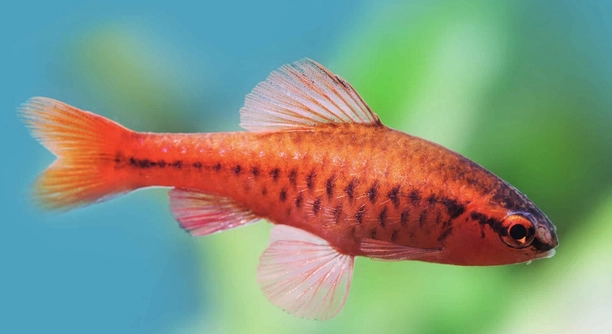
Cherry barbs are fascinating little fish with a unique social structure. Understanding how they interact in groups can reveal a lot about their behavior and social habits. These lively creatures often surprise us with their intriguing dynamics.
Cherry barbs are social fish that form loose groups in their natural habitat. They tend to establish hierarchies based on size and strength, with dominant individuals asserting control over the others. These groups help maintain order and reduce stress among the fish.
Their social behaviors are essential for keeping the group healthy and balanced. Whether it’s through leadership roles or peaceful coexistence, cherry barbs offer a glimpse into the world of fish dynamics. Keep reading to learn more!
Cherry Barb Group Dynamics
Cherry barbs are peaceful fish that enjoy being in groups. They are not territorial but still exhibit a certain social structure. In the wild, these fish often form small schools, where they rely on one another for protection. When kept in aquariums, it’s best to house them in groups of six or more to help reduce stress. These schools provide a sense of safety and allow them to display natural behaviors. Without the company of other cherry barbs, these fish can become more shy and less active. Their social nature is an essential part of their overall well-being, and understanding how they interact can help improve their quality of life.
Being social animals, cherry barbs form a hierarchy within their schools. This hierarchy helps maintain order and reduces conflict among them. The dominant fish in the group often has the most control over the others, but this doesn’t always lead to aggression. Instead, it’s more about subtle displays of authority.
In an aquarium, cherry barbs will often swim together, sticking to the middle or top of the tank. Their interactions are usually calm and peaceful, but subtle behaviors, such as slight nudges or chasing, help reinforce their roles. Dominant fish may lead the group while others follow along in a calm, organized manner. This cooperative behavior makes them a fascinating species to observe, as it’s a clear sign of their social nature. When properly housed in groups, cherry barbs tend to thrive, showing off their full, vibrant colors and lively behavior. It’s important to create an environment where these fish can express their social roles, helping them to stay healthy and content.
Hierarchy and Leadership in Cherry Barbs
In cherry barb groups, there is always a sense of leadership. The most dominant fish takes charge and leads the group’s movements. However, this leadership doesn’t always mean aggression. Cherry barbs are not violent towards each other. Instead, they rely on subtle cues to maintain their social structure.
Cherry barbs can often be seen swimming in groups, with the more dominant individuals leading the pack. They rarely engage in physical fights. Instead, they assert their authority through body language and small displays of dominance. These interactions help them maintain a peaceful social balance. In some cases, a dominant fish might gently chase or display its size to remind others of its position, but it does not usually result in actual harm. The less dominant fish remain in the group, following the lead of the stronger individuals. This behavior ensures that the group stays unified and organized, allowing them to move efficiently and avoid potential threats. A clear hierarchy makes it easier for the fish to coexist in a harmonious environment, especially when there are several individuals in the group. Keeping a well-balanced group of cherry barbs ensures that no single fish is stressed or isolated, promoting a healthy and happy aquarium.
Cherry Barb Mating and Pair Bonds
When it comes to mating, cherry barbs follow a simple and clear process. The males will display vibrant colors and engage in subtle courtship behaviors to attract females. This usually involves gentle chasing or swimming in a particular pattern. During this time, the males try to impress the females with their vibrant, bright hues, signaling that they are healthy and ready to breed.
Once a female chooses a mate, the pair forms a brief bond, which is mostly centered around mating. The males will nudge the female, encouraging her to release her eggs. This cooperative behavior ensures that the eggs are fertilized quickly. After spawning, the males lose their vibrant colors, and the female often hides to protect the eggs. The bond between the pair is temporary, and once the eggs are laid and fertilized, they go their separate ways. This brief connection is essential for reproduction and is one of the key elements in cherry barb social behavior.
Cherry barbs do not typically form long-lasting pair bonds after mating. Once the eggs are fertilized, the male’s role ends. Females often seek shelter until the eggs hatch, which usually takes about two to three days. During this period, the pair does not interact much, and the female is left to guard the eggs. The eggs are laid in hidden areas of the tank, providing them with the best chance of survival. After the eggs hatch, the young barbs are left to fend for themselves, though they remain in a group. The independence of the juvenile fish further highlights the short-term nature of the mating bond among cherry barbs.
Social Interactions and Group Behavior
Cherry barbs are not just social in the sense that they live in groups; their social interactions are an essential part of their daily lives. They communicate using body language and subtle movements. You’ll often see them darting around the tank, sometimes nudging each other or following specific individuals. These interactions help the group maintain a sense of harmony and order.
Within a cherry barb school, the individuals often interact in a synchronized manner. This behavior isn’t just random swimming; it’s a method of maintaining unity within the group. When one fish makes a move, others usually follow along, creating a smooth, cohesive motion. The dominant fish might lead the direction, but the rest of the group stays close, ensuring that they remain safe and protected. In a smaller tank, it’s particularly important to have enough space for the group to move freely and express their social behaviors.
As peaceful fish, cherry barbs rarely show aggression, but they do assert themselves in subtle ways. The less dominant fish will give way to the stronger individuals, creating a system of respect. Even though these fish are social, there’s always a sense of hierarchy that prevents constant conflict. Their interactions reflect a well-structured system where every member plays a role, and this stability is what makes cherry barbs such fascinating creatures to observe in a group setting.
Cherry Barb Territorial Behavior
Cherry barbs are not territorial fish. Unlike many other species, they don’t defend a specific space in the aquarium. They prefer to swim freely in open areas and typically do not engage in aggressive behavior toward each other. This makes them easy to keep in community tanks.
Despite not being territorial, cherry barbs may occasionally establish temporary dominance over certain areas, especially during mating. However, this doesn’t result in lasting territorial disputes. Once the mating process is over, the dominance display fades, and the fish resume their peaceful behavior. This non-territorial nature is one of the reasons they get along well with other fish in a shared environment.
Cherry Barb Communication Methods
Cherry barbs use body language to communicate. Their movements are subtle but meaningful. For example, they might swim in tight formations or follow each other in specific patterns. These movements signal their social status or readiness to mate. It’s a silent yet effective form of communication.
Their gentle nudges and synchronized swimming help maintain peace in the group. These interactions allow the fish to keep their social balance intact. Even when competing for food, cherry barbs use body language to show respect for one another, reducing the chances of conflicts.
Cherry Barb Stress Responses
Cherry barbs are sensitive to stress. When they feel threatened or uncomfortable, they might become more withdrawn. They often hide or swim erratically to signal distress. It’s important to avoid overcrowding them in the tank, as this can increase stress levels.
FAQ
How many cherry barbs should be kept together in a tank?
Cherry barbs are social fish and prefer being in groups. It’s recommended to keep at least six cherry barbs together. A larger group allows them to feel secure and reduces stress. In smaller groups, they may become skittish and may not display natural social behaviors. Having a sufficient number of cherry barbs helps maintain a healthy social structure where the fish can interact and establish their hierarchy naturally.
Can cherry barbs live with other fish?
Yes, cherry barbs can live with other fish, but they do best in peaceful community tanks. They are not aggressive and tend to get along well with small, non-aggressive species like guppies, tetras, and other peaceful barbs. Avoid keeping them with very large or aggressive fish that may intimidate them. Cherry barbs prefer to swim in the middle to top regions of the tank, so be sure the tank has enough space for other fish to coexist. A well-planned tank with plenty of hiding spots helps ensure peaceful cohabitation.
Do cherry barbs need a specific water temperature?
Cherry barbs prefer a water temperature between 74°F and 80°F (23°C to 27°C). They can tolerate slightly cooler or warmer water, but they thrive in this temperature range. Keeping the water temperature too low can stress them and make them more susceptible to illness. Similarly, water that’s too warm can reduce their lifespan. A stable, moderate temperature is ideal for their health, and using a good aquarium heater is important for maintaining these conditions, especially in colder climates.
How can I tell if my cherry barb is healthy?
A healthy cherry barb will have bright colors, be active, and swim in a group. They should not display signs of abnormal behavior, such as excessive hiding, erratic swimming, or loss of appetite. Check for any visible signs of illness, such as cloudy eyes, faded colors, or fin damage. Healthy cherry barbs also eat well, so if you notice them refusing food for extended periods, it might indicate a health issue. A well-maintained tank with proper water conditions helps keep them healthy.
Do cherry barbs require a lot of care?
Cherry barbs are relatively low-maintenance compared to other species. They don’t require complex care routines, but they do need a stable environment. Regular water changes, proper filtration, and maintaining the right temperature are key to keeping them healthy. They are hardy fish, so as long as you provide them with the right living conditions and a peaceful tank, they are easy to care for. Monitoring water quality, ensuring no overcrowding, and feeding them a balanced diet will go a long way in keeping them happy.
What is the best food for cherry barbs?
Cherry barbs are omnivores and will eat a variety of foods. A well-balanced diet that includes high-quality flakes or pellets, supplemented with occasional live or frozen foods like brine shrimp, daphnia, and bloodworms, is ideal. You can also offer them vegetables like blanched spinach or zucchini. Feeding them twice a day in small amounts is sufficient to meet their nutritional needs. Be sure to remove any uneaten food to keep the water clean and prevent it from getting polluted.
How do cherry barbs breed?
Cherry barbs breed easily in well-maintained tanks. The males will often display brighter colors to attract females during mating. Once a female chooses a male, she will release eggs, which the male fertilizes. After spawning, the eggs are laid in a safe area, usually among plants. The males lose their vibrant colors shortly after mating, and the females often hide to protect the eggs. The eggs typically hatch in 2-3 days, and the baby barbs (fry) are left to fend for themselves, although some may survive in the same tank if conditions are right.
Are cherry barbs aggressive toward each other?
Cherry barbs are generally peaceful and not aggressive toward each other. They may display minor dominance behaviors, such as chasing or nudging each other, but this is typically harmless. There may be a subtle hierarchy in the group, with dominant fish leading the school. However, these behaviors rarely lead to serious conflict. Cherry barbs thrive in groups and will get along with each other, provided there’s enough space in the tank to prevent overcrowding.
Can cherry barbs live in a small tank?
While cherry barbs can live in smaller tanks, it’s important to provide them with enough space to swim and interact with other fish. A tank of at least 20 gallons is recommended for a small group of cherry barbs. A smaller tank might cause stress due to lack of space, which can lead to aggressive behavior or health issues. Also, make sure the tank is well-filtered and regularly maintained. For a tank this size, keeping other peaceful species is fine, but avoid overcrowding.
How long do cherry barbs live?
Cherry barbs typically live for about 3 to 5 years with proper care. Their lifespan can be affected by factors like water quality, temperature, and stress levels. Keeping them in a stable, clean environment with a consistent feeding schedule can help them live longer. Additionally, ensuring that they are kept in groups helps reduce stress, contributing to a healthier, longer life.
Final Thoughts
Cherry barbs are wonderful, peaceful fish that thrive in groups. Their social nature makes them enjoyable to watch as they swim together and interact with each other. Unlike many other species, they are not territorial, which allows them to live peacefully in community tanks. Their ability to coexist with a variety of other peaceful fish makes them a great choice for beginner and experienced fishkeepers alike. Whether you’re adding them to a larger community aquarium or keeping them in a small tank, they are relatively easy to care for, making them a popular species for many aquarium owners.
While they are not difficult to care for, cherry barbs do require some attention to their environment. Maintaining stable water conditions, providing a balanced diet, and keeping them in appropriate group sizes are key factors in keeping them healthy. They prefer a temperature range of 74°F to 80°F and should be housed in a tank that is well-filtered to prevent any buildup of waste. Regular water changes and monitoring water quality will help prevent potential health issues. While they are hardy, cherry barbs will not thrive in poor conditions, so making sure they are housed in a properly maintained aquarium is essential to their well-being.
In terms of behavior, cherry barbs are relatively low-maintenance and peaceful, but they do enjoy the company of their own kind. Having a group of at least six individuals allows them to display their natural social behaviors, like swimming together and establishing a loose hierarchy. Even though they don’t form long-lasting pair bonds, they will briefly bond during mating, and the social structure within their group helps keep them calm and content. Overall, cherry barbs make for a great addition to any peaceful aquarium, and with proper care, they can live a long and healthy life.

Hello,
If you enjoy the content that we create, please consider saying a "Thank You!" by leaving a tip.
Every little bit helps us continue crafting quality advice that supports the health, happiness, and well-being of pets around the world, for pets of all shapes, sizes, and species.
We really appreciate the kindness and support that you show us!