
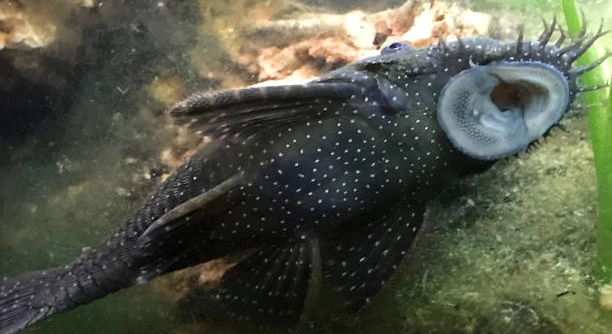
Baby Plecostomus, also known as “baby plecos,” are small, fascinating fish that many aquarium enthusiasts adore. These little creatures may seem quiet, but they have unique traits that make them stand out in the aquatic world.
Baby plecos are known for their algae-eating habits, helping to keep aquariums clean. As they grow, they develop their distinct armored bodies, which provide protection against predators. They also have a peaceful nature, making them ideal for community tanks.
These fascinating fish offer much more than just their algae-eating skills. There’s a lot to learn about how they grow and thrive.
Baby Plecostomus Growth Stages
When baby plecos are born, they are tiny and transparent, resembling little specks in the water. Over time, their appearance changes as they grow into their adult form. At first, they mostly stay near the substrate, hiding and seeking food. As they grow older, they become more active, and their armored bodies begin to develop. These early stages are crucial for their health, as they rely heavily on algae and other organic matter for nutrition. Depending on water conditions, they can grow up to a few inches in their first year.
As baby plecos grow, they undergo changes that help them adapt to their environment. Proper tank conditions, such as good water quality and temperature, are essential during their growth. Monitoring their food intake is just as important to ensure they receive the right nutrients for healthy development.
Their growth process is gradual, and patience is key. Baby plecos thrive in tanks with ample hiding spots. This ensures they feel secure as they mature into the armored, algae-cleaning adults most aquarium owners appreciate.
How to Care for Baby Plecostomus
Caring for baby plecos requires attention to their habitat and diet. They prefer tanks with good filtration and plenty of hiding spots.
Water temperature should be between 74°F and 82°F, with a pH level between 6.5 and 7.5 for optimal growth. It is important to maintain these conditions to prevent stress and ensure a healthy development for the plecos.
Baby plecos will graze on algae naturally, but it’s a good idea to supplement their diet with sinking pellets, vegetables like zucchini, or specialized algae wafers. Regular water changes are necessary to maintain a healthy environment. Avoid overcrowding to prevent competition for food and space. Proper care helps baby plecos grow strong and healthy, ensuring they reach their full potential.
Baby Plecostomus Feeding Habits
Baby plecos are primarily herbivores. They will consume algae naturally, but they also need supplementary food like sinking pellets and vegetables. As they grow, their diet may shift to include more varied plant matter. Providing a balanced diet helps ensure they thrive and grow properly.
In the wild, plecos feed on algae, detritus, and other organic materials. In an aquarium, it’s important to replicate this diet by offering fresh vegetables like zucchini and spinach. You should also offer specialized pleco pellets to ensure they receive all the necessary nutrients. Overfeeding can lead to water quality issues, so be mindful of portion sizes.
Monitoring their eating habits is essential. If they aren’t consuming enough food, their growth may slow down, and their health could decline. Keeping the tank clean will also help maintain good water quality. Healthy baby plecos grow faster and develop their characteristic armor quicker when fed properly.
Tank Setup for Baby Plecostomus
Creating a comfortable environment for baby plecos is key to their development. The tank should have plenty of hiding spots, like driftwood or caves, to make them feel secure. A well-maintained tank with good water circulation is vital for their overall health.
A substrate of fine gravel or sand is ideal, as it allows them to forage naturally without injuring their bodies. You’ll want to avoid sharp decorations that might harm their sensitive skin. Plecos also benefit from a strong filtration system, as this keeps the water clean and clear, promoting better health. Regular maintenance, such as cleaning the filter and doing water changes, will ensure the tank remains suitable for their growth.
With the right setup, baby plecos will feel more at home and thrive in their environment. Proper lighting is also important but should not be too intense. Aim for a soft lighting setup to keep them comfortable.
Common Health Issues in Baby Plecostomus
Baby plecos can face a few health problems if not properly cared for. Poor water quality is a common cause of stress, leading to diseases like skin lesions or infections. Regular water changes and monitoring can help prevent these issues.
Another common issue is poor growth due to inadequate diet. Plecos rely on algae and plant matter for their nutrients, but they can also need protein-rich foods for healthy growth. Overfeeding can lead to water quality problems, which can, in turn, affect their overall health. Maintaining a balance is essential for keeping baby plecos healthy.
Breeding Baby Plecostomus
Breeding baby plecos in captivity is a difficult task. These fish require specific conditions to breed successfully. Temperature, water quality, and tank size all play important roles. A separate breeding tank may be needed to help encourage mating behaviors.
In the right conditions, plecos will produce eggs that the males will guard. The female lays the eggs in a cave, and the male fertilizes them. After a few days, the baby plecos hatch and begin to grow. Providing a proper diet and a secure environment for the fry is essential for their survival.
Baby Plecostomus Behavior
Baby plecos are generally peaceful and quiet. They tend to spend a lot of time resting or grazing on algae, which makes them low-maintenance pets. However, they can be shy, especially in the presence of other more active fish.
Though peaceful, baby plecos can occasionally be territorial, especially when they are older. Providing enough space and hiding spots can help minimize conflicts. Being aware of their habits allows owners to avoid unnecessary stress for the fish.
FAQ
How fast do baby plecos grow?
Baby plecos grow at a steady rate, with many reaching around 2-3 inches in their first year. Growth speed depends on factors like water quality, diet, and tank conditions. In ideal conditions, they can grow about half an inch every month during their early stages. If their environment is not suitable, their growth rate may slow down.
What do baby plecos eat?
Baby plecos are primarily herbivores, consuming algae naturally in the tank. You should supplement their diet with sinking pellets, algae wafers, and fresh vegetables like zucchini or spinach. This ensures they get all the necessary nutrients to grow healthy and strong. Avoid feeding them too much protein, as it can lead to health issues.
Do baby plecos need a heater?
Yes, baby plecos need stable water temperatures to grow properly. A heater is recommended to keep the water between 74°F and 82°F. Fluctuating temperatures can stress the plecos and hinder their growth. Maintaining a consistent temperature helps keep them comfortable and healthy.
Can baby plecos live with other fish?
Baby plecos are generally peaceful and can live with many types of fish. They do best in community tanks with other calm species. Avoid aggressive or overly active fish, as they might stress the plecos. Additionally, ensure there is enough space for the plecos to find food and hide when needed.
How long do baby plecos live?
With proper care, baby plecos can live for 10-15 years, though some may live even longer. Their lifespan is heavily influenced by water quality, diet, and overall tank conditions. Keeping their environment clean and healthy increases the chances of a long life.
What size tank do baby plecos need?
A minimum of a 20-gallon tank is recommended for baby plecos, but they will eventually need a larger tank as they grow. They are slow growers, but once they reach adulthood, they can require more space. Providing enough room helps reduce stress and allows them to thrive.
Do baby plecos need air pumps?
Air pumps are not strictly necessary, but they can help with water circulation, especially in larger tanks. Plecos enjoy well-oxygenated water, so having a filter or air pump can be beneficial for maintaining water quality. It’s important to avoid excessive water movement, which can stress them out.
How do I tell if my baby pleco is male or female?
It’s challenging to differentiate between male and female plecos when they are babies. As they grow, males often develop thicker, bushier pectoral fins, while females remain slimmer and more streamlined. These differences become more noticeable as they reach sexual maturity, around 1-2 years old.
Why is my baby pleco hiding all the time?
Hiding is a common behavior for baby plecos, especially if they are adjusting to a new environment. They prefer dimly lit spaces and seek hiding spots like caves or driftwood. If your baby pleco is constantly hiding, it may feel stressed or threatened, or it could be adjusting to its new tank.
Can baby plecos live in freshwater?
Yes, baby plecos are freshwater fish and should be kept in freshwater tanks. They are not suited for brackish or saltwater environments. The water should be slightly acidic to neutral, with a pH range of 6.5-7.5. Maintaining the correct water conditions is key to their health and well-being.
Do baby plecos need UV lighting?
UV lighting is not essential for baby plecos. While they do need some light for a healthy environment, the lighting should be moderate. Too much light can stress them, especially if it’s too bright. Providing a dim light cycle with natural lighting works well for their well-being.
What is the best tank setup for baby plecos?
A tank with a fine gravel or sand substrate is best for baby plecos. They like to sift through the substrate for food, and rough or sharp edges can hurt their sensitive skin. Adding driftwood, plants, and caves will give them places to hide and feel secure. Ensure the tank has good filtration to keep the water clean.
Do baby plecos eat fish eggs?
Baby plecos are opportunistic feeders, and while they mainly consume algae, they may nibble on fish eggs if available. However, they are not known to actively hunt for eggs. In a tank with breeding fish, it’s a good idea to separate the plecos during spawning periods to protect the eggs.
Why isn’t my baby pleco eating?
If your baby pleco isn’t eating, it could be due to several factors. Poor water quality, high stress levels, or an inadequate diet can cause them to refuse food. Check the water parameters, ensure they have hiding spots, and try offering different types of food to encourage eating.
Can I feed my baby pleco fruit?
While baby plecos primarily eat algae and vegetables, some fruits like melon or apple can be offered in small amounts. However, fruits should not be a primary food source as they contain sugars that aren’t ideal for plecos. Stick to vegetables like zucchini, cucumber, or spinach for a healthier diet.
How do I breed baby plecos?
Breeding plecos is not easy, especially in a home aquarium. They require a tank with stable water conditions, proper caves for egg laying, and an increase in temperature to encourage breeding. Once the male and female pair up, the female will lay eggs in the cave, and the male will guard them until they hatch.
Why is my baby pleco turning brown?
It’s normal for baby plecos to change colors as they grow. They may appear brown or dull during the juvenile stage, and this coloration often becomes darker as they mature. If a pleco is turning brown suddenly, check the water quality, as poor conditions could stress the fish.
Final Thoughts
Caring for baby plecos can be a rewarding experience, but it requires attention to their specific needs. They thrive in a stable environment with good water quality, proper food, and enough space to grow. With the right setup, they can live long, healthy lives. These fish are low-maintenance and peaceful, making them an excellent choice for beginners, especially in community tanks. However, ensuring that their basic needs are met is crucial for their well-being. This includes keeping the water clean, maintaining a consistent temperature, and providing enough algae or supplemental food to meet their dietary requirements.
One of the most important aspects of keeping baby plecos is creating a suitable tank environment. These fish prefer tanks with plenty of hiding spots and subdued lighting, which mimics their natural habitat. Adding driftwood, caves, and plants will not only make them feel secure but also help in maintaining water quality. A well-maintained filter system is essential to keep the water oxygenated and free from waste. Remember, baby plecos can be shy and may need time to adjust to new environments. Giving them space and keeping their surroundings stable is key to their growth and comfort.
In the end, baby plecos are relatively easy to care for if you understand their needs. They will grow and thrive in the right conditions, rewarding you with their unique behavior and contribution to your tank’s ecosystem. With patience and a little attention, you’ll be able to enjoy watching these fascinating fish develop over time. Whether you’re a first-time aquarium owner or a seasoned hobbyist, baby plecos can make a great addition to any freshwater tank. Their peaceful nature, algae-eating habits, and interesting growth process make them a delight to observe.

Hello,
If you enjoy the content that we create, please consider saying a "Thank You!" by leaving a tip.
Every little bit helps us continue crafting quality advice that supports the health, happiness, and well-being of pets around the world, for pets of all shapes, sizes, and species.
We really appreciate the kindness and support that you show us!