
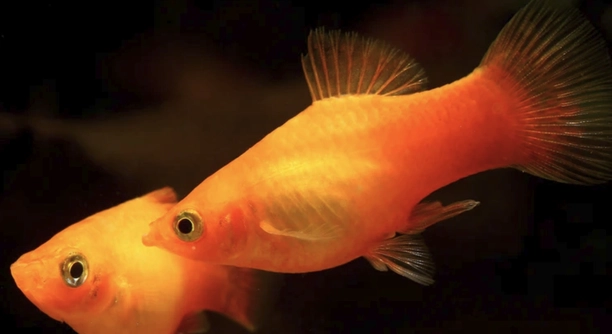
Are your platies looking weak, slow, or disinterested in food after recovering from an illness or injury? Their diet plays a huge role in helping them bounce back and regain their strength in a safe way.
The best foods to help sick platies recover fast include high-protein flakes, live or frozen brine shrimp, daphnia, blanched peas, and vitamin-enriched pellets. These options support healing by boosting immunity, improving digestion, and restoring energy levels effectively.
Feeding the right foods can make a big difference in how quickly your platies recover and regain their usual energy and color.
Best Protein Sources for Healing
Protein helps platies rebuild tissue and regain strength after illness. Start with high-protein flakes made specifically for livebearers, which are easier to digest than standard tropical fish food. Supplement with live or frozen brine shrimp and daphnia. These are packed with nutrients and are gentle on their digestive systems. Feed small portions twice daily while monitoring their appetite. If they seem uninterested, try soaking the food in garlic juice—it can help boost appetite and immunity. You can also crush high-quality pellets into smaller bits if your platy struggles to chew. Remove uneaten food after a few minutes to keep the water clean and avoid stress. Offer these protein sources for at least a week during recovery.
Brine shrimp and daphnia are especially useful for weak fish because they are rich in amino acids and easy to digest. These help support tissue repair and overall health without upsetting their system.
Choosing the right protein makes a noticeable difference in how quickly your platy bounces back. Their fins may heal faster, and you’ll notice brighter colors and more movement within days. This improvement signals the body is responding well to the added nutrition and slowly returning to normal behavior. Stay consistent with feeding and make adjustments as needed.
Gentle Vegetables and Fiber
Blanched peas can ease digestive issues and support gut health, which is especially important after your platy has been sick. Peel the skin and offer small pieces once a day alongside their protein-rich meals.
Vegetables offer important fiber and vitamins, especially when your platy needs gentle support to get back on track. Blanched spinach and zucchini are good choices that provide natural roughage. These help keep digestion running smoothly and prevent bloating, which can often follow illness or overfeeding. Start with soft pieces, cut into tiny portions to make it easier for them to nibble. Avoid raw or starchy vegetables, as they are harder to digest and could cause stress. Fiber helps flush out any buildup in the gut and allows your platy to absorb nutrients better. Offering a plant-based option once daily helps balance their system while also giving variety. Be sure to remove any uneaten pieces after two hours to keep the tank clean and safe.
Vitamin Boosters for Fast Recovery
Adding vitamins helps your platy regain energy and fight off lingering weakness. Use liquid multivitamin drops designed for fish and add them directly to the food or tank water once daily. Stick to small doses to avoid over-supplementing.
Vitamin C helps reduce stress, while Vitamin B12 supports energy and appetite. If your platy is refusing food, try soaking their flakes or brine shrimp in vitamin-enriched water for a few minutes before feeding. Avoid feeding dry flakes alone during recovery—they often lack the nutrients sick fish need. Instead, mix in pellets that contain immune-boosting additives. Look for products with spirulina, beta-glucan, or garlic. These ingredients not only strengthen the immune system but also help repair tissues. Store supplements properly, and use them before their expiration date for full potency. A balanced mix of vitamins ensures your platy has everything it needs to heal steadily and stay active.
Natural vitamin sources like blanched spinach, zucchini, and spirulina-based flakes are helpful too. These provide extra minerals and antioxidants that support the immune system. Keep portions small to avoid overfeeding, especially in smaller tanks. Combining natural sources with liquid supplements works best during the first week of recovery. Keep a consistent routine, monitor your platy’s behavior, and reduce supplement use once energy levels and appetite return.
Feeding Frequency and Portion Control
Sick platies do best with small, frequent meals. Feed them two to three times a day in tiny portions that they can finish in under two minutes. This reduces waste and prevents cloudy water, which could delay recovery.
Overfeeding can quickly stress out a recovering fish. Extra food decays in the tank and may lead to poor water quality, increasing the risk of further health problems. Instead, portion your food carefully and observe how much your platy eats. If they stop halfway through the meal, adjust the amount next time. Stick to soft or crushed food to avoid digestive strain. Spread meals across the day to keep energy levels stable. For live foods, such as brine shrimp or microworms, use only a few at a time. Watch how your platy reacts—signs like active swimming and visible interest in food are positive indicators. Stay consistent with feeding and reduce portions gradually as recovery improves.
Hydration Through Moist Foods
Moist foods like thawed bloodworms or brine shrimp help keep platies hydrated during recovery. These foods have a high water content, which supports digestion and reduces the risk of constipation or bloating after illness. Always rinse frozen food before feeding to remove excess preservatives.
Hydration also helps your platy absorb nutrients better. Dry food alone doesn’t offer enough moisture, especially for sick fish. Combining flakes or pellets with moist foods creates a better balance. It’s an easy way to give extra support without changing the whole feeding routine. Stick to one moist meal daily until they improve.
Avoiding Stress From Overfeeding
Overfeeding causes stress, dirty water, and extra waste that slows recovery. Give only what they can finish quickly, even if they act hungry afterward. More food isn’t better when your platy is still weak.
When to Reintroduce Normal Feeding
Once your platy is active, eating well, and showing regular swimming behavior, you can slowly reintroduce their usual feeding schedule. Start by blending recovery foods with their normal diet over a few days. This helps their digestive system adjust without causing stress. Watch closely for any signs of sluggishness or bloating. Reduce frequency back to once or twice a day, depending on their appetite. Keep portions small and clean up leftovers quickly. If your platy remains healthy and energetic for a full week, it’s safe to return to your regular feeding routine. Stick with some variety to maintain overall health and avoid future imbalances.
Foods to Avoid During Recovery
Avoid raw vegetables, large pellets, and fatty freeze-dried snacks. These are hard to digest and can make recovery take longer. Stick with soft, protein-rich options and gentle vegetables until your platy is fully active again.
FAQ
What is the best food to start with when a platy is sick?
Start with high-protein flakes made for livebearers. They’re easier to digest and provide the nutrients needed for healing. Supplement with thawed brine shrimp or daphnia once daily. These soft foods are packed with amino acids and support tissue repair without stressing the digestive system.
How often should I feed a sick platy?
Feed small portions two to three times a day. Each feeding should last under two minutes to avoid overfeeding. This keeps their energy stable without overwhelming their body. Spread out meals across the day for consistent support.
Can I give live foods daily during recovery?
Yes, but in moderation. Live foods like brine shrimp, daphnia, or microworms are very helpful. Just offer small amounts once a day, mixed with flakes or pellets. Too much live food can lead to bloating or imbalance.
Are frozen foods okay to use?
Yes, frozen foods are excellent as long as they’re thawed and rinsed properly. Bloodworms, brine shrimp, and daphnia are all good choices. Rinsing removes preservatives and helps prevent water contamination. Use these foods no more than once a day.
Do I still need to use flakes or pellets during recovery?
Yes, flakes and pellets offer balanced nutrition and important vitamins. Choose ones labeled for livebearers or recovery support. Soak pellets in tank water or garlic juice to soften them and improve digestibility. This helps avoid constipation and keeps your platy nourished.
What vegetables are safe during recovery?
Blanched peas, zucchini, and spinach are gentle on the stomach. Peel the peas and cut soft veggies into tiny pieces. Avoid raw or starchy vegetables, which are hard to digest. Feed vegetables once daily alongside their main protein meal.
Should I add vitamins to their food or water?
Yes, adding liquid fish vitamins can help boost recovery. You can soak food in the supplement or add a few drops to the tank as directed. Look for formulas that include Vitamin C, B12, and garlic extract for immune and appetite support.
What signs show my platy is recovering?
Improved color, stronger swimming, and increased appetite are all good signs. A healthy platy will explore the tank, react to feeding times, and interact with other fish. If you see these signs consistently, it means recovery is going well.
When can I return to a normal feeding routine?
Wait until your platy is active and eating consistently for at least a week. Then slowly reduce the number of meals to once or twice daily. Mix recovery foods with their regular diet over several days to help their system adjust smoothly.
What foods should I avoid while my platy is recovering?
Avoid freeze-dried snacks, raw vegetables, fatty treats, and anything too large to swallow. These can cause constipation or digestive issues. Stick to soft, water-rich foods that are easy to chew and gentle on the gut. Clean any uneaten food quickly.
Can poor diet slow down my platy’s healing?
Yes, if the diet lacks key nutrients or is too heavy, it can delay recovery. Protein, fiber, and vitamins are all essential. Moist foods also help hydration. A weak or sick platy needs light, nutritious meals to regain strength safely.
How can I tell if I’m overfeeding?
If your platy stops eating before the food is gone, or if there’s leftover food floating around, you’re probably feeding too much. Other signs include cloudy water, bloating, or sluggish behavior. Always offer less than you think they need during recovery.
Is garlic safe for platies?
Yes, garlic is often used to stimulate appetite and support immunity. You can soak food in garlic juice for a few minutes before feeding. Don’t overuse it—two or three times a week is enough to help without overwhelming the fish.
Do platies eat less when they’re sick?
Yes, many sick platies will eat less or refuse food altogether. That’s why it helps to offer soft, protein-rich foods and use appetite boosters like garlic or vitamin-enriched flakes. If your platy doesn’t eat for more than two days, consult an expert.
Can I feed the same foods to other fish in the tank?
In most cases, yes. Foods like brine shrimp, blanched peas, and high-quality flakes are good for many community fish. Just make sure everyone gets their share and that the tank stays clean. Avoid overfeeding, especially if some fish are still recovering.
Final Thoughts
Helping a sick platy recover takes a bit of extra care, especially when it comes to feeding. The foods you choose can make a real difference in how quickly they regain strength. Focus on soft, high-protein options like brine shrimp, daphnia, or specialized flakes made for livebearers. These are easier to digest and offer the nutrients they need most during healing. Moist foods also help with hydration, which is important for digestion and overall health. Mix in blanched vegetables like peas or spinach to give them some natural fiber and gentle vitamins. These support the digestive system and can help prevent issues like bloating or constipation. Feeding soft, fresh foods in small amounts is a simple but effective way to help your platy feel better faster.
Feeding frequency is another important part of recovery. Instead of offering large meals once a day, try feeding smaller portions two or three times throughout the day. This approach keeps their energy levels steady and makes digestion easier. It also helps prevent water pollution, which can slow down recovery or cause new problems. Always clean out any uneaten food to keep the tank healthy and safe. Supplements like liquid vitamins or garlic-soaked flakes can help boost your platy’s immune system and encourage eating. But these should only be used in moderation. A balanced mix of flakes, moist protein, and gentle veggies will cover most of your fish’s nutritional needs during recovery. Watch their behavior closely—active swimming, normal eating, and brighter color are all good signs they’re getting better.
Once your platy has fully recovered, you can slowly return to a regular feeding routine. Blend recovery foods with their normal diet over several days to help them adjust. Keep some variety in their meals to support long-term health and avoid future stress. Avoid overfeeding, especially in smaller tanks, as it can lead to water issues and health problems. A clean tank and proper diet go hand-in-hand when it comes to keeping fish healthy. Recovery doesn’t always happen overnight, but with consistent feeding and a little patience, most platies bounce back well. Stick to simple, high-quality foods and observe their response—small changes often make a big difference.

Hello,
If you enjoy the content that we create, please consider saying a "Thank You!" by leaving a tip.
Every little bit helps us continue crafting quality advice that supports the health, happiness, and well-being of pets around the world, for pets of all shapes, sizes, and species.
We really appreciate the kindness and support that you show us!