
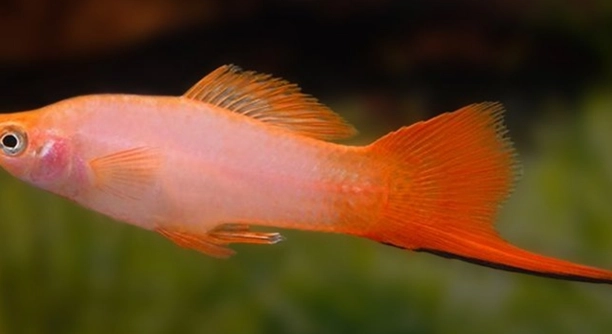
Swordtail fish are popular aquarium pets known for their vibrant colors and active nature. However, maintaining their health involves more than just keeping them in the right environment. Their diet plays a significant role in their well-being.
Certain foods can be harmful to swordtails, potentially leading to health issues such as digestive problems, nutrient deficiencies, or even death. It is essential to avoid feeding them specific foods like processed snacks, fatty foods, and some types of fruits.
By learning which foods to avoid, you can ensure your swordtail stays healthy and active. Keep reading to find out which foods should never be part of their diet.
Processed Foods
Swordtails are highly sensitive to processed foods, which may seem convenient but are not suitable for their digestive systems. These foods often contain preservatives, artificial colors, and unhealthy fats that can harm your fish over time. Feeding them processed foods regularly can lead to obesity, weakened immune systems, and shorter lifespans.
Swordtails require a balanced diet of natural, nutrient-rich food to stay healthy. Their digestive systems struggle to break down artificial ingredients. Over time, consuming processed foods may lead to more serious health problems, including liver issues or poor growth rates.
It is best to avoid offering them store-bought snacks like chips, cookies, or anything with high sugar and salt content. Instead, opt for high-quality fish flakes, live food like brine shrimp, or frozen options that provide the essential nutrients swordtails need. Fresh, whole foods are always a safer and healthier choice for your fish. By focusing on natural, protein-packed food, you’ll help maintain your swordtail’s health and energy levels.
High-Fat Foods
High-fat foods should also be avoided in your swordtail’s diet. These foods can lead to obesity and sluggishness. Fatty foods do not offer the proper nutrition swordtails need to thrive.
Overfeeding high-fat foods such as oily fish or fatty meat can have detrimental effects. Swordtails are small fish, and too much fat can clog their digestive systems. This may result in fatty liver disease and other complications that can shorten their lifespan. Stick to food that is specifically designed for small, freshwater fish to prevent these health issues.
Fruits
Fruits are not a suitable food for swordtails. While they may seem healthy, they can disrupt their digestion and cause long-term health issues. Certain fruits are too high in sugar and acidity, which swordtails cannot process effectively.
Feeding swordtails fruits like oranges, grapes, or bananas can lead to digestive problems. These fruits contain too much sugar, which can cause bloating, constipation, or even liver damage. Swordtails are better off with foods designed for their specific dietary needs, such as algae and small aquatic organisms.
Although some fruits may be safe in small quantities, it’s safer to avoid them altogether. A diet high in fruit can lead to nutritional imbalances and worsen digestive health over time. Stick with foods that match the nutritional requirements of swordtails, ensuring their long-term health and happiness.
Vegetables
Vegetables can be tricky for swordtails. While some can be beneficial in moderation, others are too fibrous or tough for them to digest properly. Avoid feeding them hard vegetables such as broccoli or carrots.
When choosing vegetables for your swordtail, it’s essential to focus on softer, easily digestible options. Leafy greens, such as spinach and lettuce, are good choices. These vegetables provide important nutrients and are soft enough for swordtails to consume without difficulty. However, avoid feeding them in excessive amounts, as too much fiber can lead to bloating and discomfort. Always remember to thoroughly wash and chop vegetables before offering them to your fish. Keep in mind that vegetables should only be an occasional treat, not a daily meal.
Bread and Grains
Bread and grains are not ideal for swordtails. These foods can cause bloating and digestive issues due to their high carbohydrate content. Swordtails are carnivorous fish and do not benefit from consuming grains.
Feeding them bread, rice, or pasta can create unnecessary problems. Swordtails lack the enzymes required to break down grains properly, which leads to undigested food that may cause blockages. Over time, this can harm their intestines and overall health. Stick with food specifically formulated for fish that provides protein and essential nutrients they need.
Milk and Dairy Products
Milk and dairy products should never be part of your swordtail’s diet. These are not natural food sources for fish and can upset their stomachs.
Dairy products contain lactose, which swordtails are unable to digest. Consuming milk or cheese can lead to digestive issues, such as bloating, diarrhea, and discomfort. Avoid feeding your fish any form of dairy to ensure they stay healthy and active. Always opt for fish-safe food, including high-quality pellets or live food that is free of dairy.
FAQ
Can I feed my swordtail frozen food?
Yes, frozen food can be a good option for swordtails. It is often more nutritious than dried food and can provide variety in their diet. Just make sure to choose high-quality frozen foods, such as brine shrimp or bloodworms, and always thaw them before feeding. Avoid overfeeding and only give them what they can consume in a few minutes to prevent water contamination.
Are pellets a good food choice for swordtails?
Pellets designed specifically for swordtails are a great food option. They provide balanced nutrition, including essential proteins, vitamins, and minerals. Choose a high-quality pellet that is appropriate for the size of your fish. Be mindful not to overfeed, as excess food can lead to water quality issues.
Is live food safe for swordtails?
Live food is a natural and healthy choice for swordtails. It mimics what they would eat in the wild, offering essential nutrients and stimulating their natural hunting instincts. However, ensure that any live food is properly sourced and free from parasites or diseases. Avoid feeding them live food from unreliable sources to reduce the risk of contamination.
How often should I feed my swordtail?
Swordtails should be fed two to three times a day. Only give them as much food as they can consume in 2-3 minutes to avoid overfeeding. Swordtails are small fish, and overfeeding can lead to obesity and poor water quality. Adjust the amount of food based on their size and activity level.
Can I feed my swordtail vegetables every day?
Vegetables should be given occasionally, not every day. While some soft vegetables like spinach can be beneficial, swordtails are primarily carnivores and require protein-rich food. Too much fiber from vegetables can cause digestive issues. Offer vegetables sparingly, once or twice a week, as a supplement to their protein-based diet.
Is it okay to feed swordtails meat?
Yes, swordtails can eat small amounts of meat, such as shrimp or small pieces of fish. However, these should be fed in moderation and should not replace their primary diet of fish pellets or flakes. Excessive meat can lead to digestive problems. Stick with lean options and avoid fatty meats.
What should I avoid feeding my swordtail?
Avoid feeding swordtails foods high in fat, sugar, or artificial additives. This includes processed foods, dairy, bread, and most fruits. These foods can disrupt their digestion and cause health issues, such as bloating, liver damage, or obesity. Stick to foods that are specifically designed for aquarium fish.
How do I ensure my swordtail gets enough nutrients?
To ensure your swordtail gets enough nutrients, feed them a variety of foods, such as high-quality pellets, live or frozen food, and occasional vegetables. The key is to balance their diet and avoid overfeeding. Look for food products that contain a wide range of essential nutrients, such as vitamins, minerals, and omega-3 fatty acids.
Can swordtails eat eggs?
While swordtails can occasionally eat small amounts of boiled egg, it should not be a regular part of their diet. Eggs are high in protein but also contain fats that swordtails may struggle to digest in large quantities. Stick with fish-safe foods like pellets, live food, or small amounts of well-prepared vegetables.
Can I feed my swordtail leftovers from my meals?
Avoid feeding your swordtail leftovers from your meals. Human food is not formulated to meet the nutritional needs of fish and can contain harmful ingredients. Swordtails should only be fed fish-safe foods designed to support their health and development. Leftovers can cause digestive issues and water quality problems.
Final Thoughts
Feeding your swordtail the right food is essential for maintaining their health and well-being. Swordtails are omnivores, but their diet needs to be carefully balanced with a mix of protein-rich foods and occasional plant-based options. It’s important to avoid foods that are high in sugar, fat, or artificial additives. These can lead to serious health issues, such as digestive problems, obesity, and a weakened immune system. By sticking to high-quality fish pellets, live foods like brine shrimp, and occasional leafy greens, you can ensure that your swordtail thrives.
While it may be tempting to feed your swordtail leftovers or foods meant for humans, these should be avoided. Many human foods, such as dairy, bread, and high-fat meats, are not suitable for swordtails and can lead to health complications. Always choose foods that are specifically formulated for aquarium fish. A varied diet is key, and supplementing their regular meals with live food or small amounts of vegetables can provide the necessary nutrients for optimal health. However, remember to feed them in moderation to avoid overfeeding and water contamination.
In conclusion, maintaining a proper diet for your swordtail is a vital part of their care. Paying attention to the foods they eat helps ensure that they remain healthy and vibrant. Swordtails need a balanced diet, rich in proteins and appropriate nutrients. Avoid processed and unhealthy foods, and be mindful of portion sizes. By providing the right food and maintaining good water quality, your swordtail can live a long, healthy life. Keeping their diet varied, nutritious, and suited to their natural needs will help you enjoy their company for years to come.

Hello,
If you enjoy the content that we create, please consider saying a "Thank You!" by leaving a tip.
Every little bit helps us continue crafting quality advice that supports the health, happiness, and well-being of pets around the world, for pets of all shapes, sizes, and species.
We really appreciate the kindness and support that you show us!