
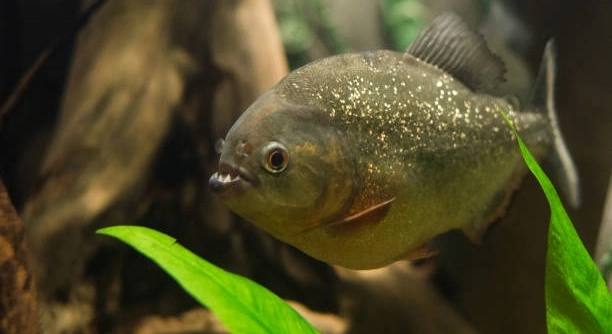
Are you feeding your piranha a mix of foods but not sure which ones might actually cause harm instead of helping? It’s easy to assume all meats and scraps are fine, but that’s not always true.
Certain foods can be dangerous for piranhas due to their digestive limitations, potential toxicity, or risk of water contamination. Avoiding items like fatty meats, live feeder fish, and processed foods is essential to maintaining their health.
Feeding your piranha the right foods ensures a cleaner tank and a healthier pet. Let’s take a closer look at what to skip.
Fatty Meats
Fatty meats like pork, beef trimmings, or bacon might seem like a high-protein treat, but they are not suitable for piranhas. These meats contain excess fat that is difficult for piranhas to digest. Over time, this can lead to serious health problems, including liver damage. Additionally, fatty meats break down slowly in the water, increasing the risk of contamination and cloudiness in the tank. A piranha’s diet should mimic its natural feeding habits in the wild, focusing on lean protein sources. Keeping their meals clean and appropriate will also help you maintain better water quality in their tank environment.
Avoid giving your piranha any fatty meats. These items are not only hard on their organs but also degrade tank hygiene quickly.
Stick with lean options such as tilapia or shrimp, which are easier to digest and more suitable for regular feeding. Lean protein helps maintain your piranha’s energy and supports long-term health.
Live Feeder Fish
Live feeder fish may seem like a natural choice, but they can bring hidden problems. Many carry bacteria, parasites, or diseases that are harmful to piranhas.
Feeder fish often come from poor conditions, increasing the risk of introducing unwanted pathogens into your tank. These fish may not be properly quarantined or tested before being sold, making them unsafe. Even if your piranha seems to enjoy the hunt, the potential health risks outweigh any benefit. Instead of live prey, offer pre-cut pieces of fresh fish or frozen, parasite-free feeders. These options still stimulate natural feeding behaviors without the risk of infections or outbreaks in your aquarium. Preventing disease is easier than treating it, and avoiding live feeders helps keep your piranha healthy. Always research sources before adding anything new to the tank. Maintaining control over what enters the water ensures better safety for your fish and reduces stress during feeding times.
Processed Foods
Processed foods like deli meats, sausages, or canned fish contain high levels of sodium, preservatives, and additives that are not safe for piranhas. These ingredients can cause stress, digestive problems, and lead to long-term health complications if consumed regularly.
Even small portions of processed food can be harmful. Preservatives and artificial flavors used in these products are designed for human consumption, not aquatic animals. When introduced into a tank, they not only harm your fish but also affect water quality. Sodium in particular can lead to dehydration and organ stress in piranhas. If you’re short on time and looking for convenient feeding options, consider pre-portioned frozen fish instead. These are cleaner, safer, and designed with aquatic needs in mind. Staying away from human-grade processed items will always be a better choice.
It might be tempting to toss in leftover meats or snacks, but it’s not worth the risk. Processed foods are too harsh on your piranha’s digestive system. They don’t offer the nutrients your fish needs to thrive and may weaken their immune system over time. Choosing foods that closely resemble their natural diet will help them live longer, stay active, and avoid unnecessary stress. Always keep their feeding habits clean and intentional.
Chicken
Raw or cooked chicken is not a good choice for piranhas. While it is high in protein, it lacks the right amino acid balance and contains connective tissues that are hard for fish to digest.
Chicken can also introduce bacteria like salmonella into the tank, even if it’s been cooked. It’s not naturally part of a piranha’s diet and can create digestive issues or imbalance their nutrient intake. Over time, feeding chicken regularly may weaken their overall health. If you’re trying to offer a protein boost, opt for fish or crustaceans that provide the correct fat and mineral ratios. Chicken meat also tends to break apart in water, leaving behind residue that lowers tank cleanliness and strains your filtration system. Keeping meals simple, fresh, and fish-based is always the better choice. Avoid experimenting with meats that weren’t meant for aquatic species.
Bread and Grains
Bread and other grain-based foods can expand in your piranha’s stomach, causing bloating or digestive discomfort. These items offer very little nutritional value and may disrupt the balance of a proper carnivorous diet.
Grains break down in water and create unwanted mess in the tank. Uneaten pieces spoil quickly, leading to poor water quality and extra tank maintenance.
Dairy Products
Piranhas cannot digest lactose, making dairy products completely unsuitable. Milk, cheese, and yogurt can cause digestive upset and do not belong in their diet. These foods also degrade quickly in water, producing foul odors and bacteria growth. Stick with protein-rich options that support their health and digestion.
Fruits and Vegetables
Fruits and vegetables are not needed in a piranha’s diet. These items contain sugars and fibers that are unnecessary and hard for them to process. Keeping their food meat-based helps them stay healthy and active.
What should I feed my piranha instead of these foods?
Piranhas thrive on a diet that closely resembles what they eat in the wild. This means primarily feeding them fresh, lean proteins like small fish, shrimp, and insects. High-quality frozen or freeze-dried options are good alternatives when fresh options aren’t available. These provide the necessary nutrients without the risks that come with processed or fatty meats. Occasionally, feeding small amounts of earthworms or bloodworms can add variety and help simulate natural feeding behavior. Avoid overfeeding, as excess food can pollute the tank and harm water quality. Feeding a balanced diet supports your piranha’s immune system, promotes growth, and maintains healthy digestion.
Can feeding the wrong foods cause tank problems?
Yes, feeding inappropriate foods like processed items, fatty meats, or bread can seriously affect the tank environment. Uneaten food breaks down and increases ammonia, nitrite, and nitrate levels, leading to poor water quality. This creates a stressful and unhealthy habitat for your piranha and other aquatic life. Some foods, such as bread or dairy, spoil quickly and cause cloudiness, foul odors, and bacterial blooms. Keeping to a proper diet with clean, high-protein foods reduces tank maintenance and protects your fish’s health.
Is it okay to feed live fish to my piranha?
Feeding live fish is generally not recommended. Live feeders often carry diseases and parasites that can infect your piranha and other tank inhabitants. Many feeder fish come from unreliable sources and may introduce pathogens into your aquarium. Instead, choose frozen or freeze-dried feeder fish that have been treated for parasites. These safer alternatives still satisfy your piranha’s natural hunting instincts without the risk of contamination. Quarantining any new live animals before adding them to the tank is always a good practice to reduce health risks.
How often should I feed my piranha?
Feeding frequency depends on your piranha’s size and age, but generally, adult piranhas should be fed every other day. Juveniles may require daily feeding due to higher energy needs. Overfeeding can cause obesity and poor water conditions, so it’s important to give only as much food as they can eat within a few minutes. Observing your fish during feeding helps you adjust portions. Maintaining a consistent feeding schedule supports stable metabolism and reduces waste buildup in the tank.
What signs show my piranha is eating the wrong food?
If your piranha is given unsuitable food, you may notice signs like bloating, lethargy, loss of appetite, or abnormal swimming behavior. Uneaten food can cause cloudy water and bad odors. Over time, digestive issues from poor diet choices can weaken your fish’s immune system, making it more prone to infections. Regular tank maintenance and a proper diet prevent these problems. If you suspect your piranha is suffering from poor nutrition, consult an aquatic veterinarian for advice.
Can human food ever be safe for piranhas?
Most human foods are not safe for piranhas due to preservatives, seasoning, or unsuitable nutrients. Some plain, unseasoned cooked fish or shrimp may be occasionally offered, but it should be free of salt, oil, and spices. Avoid all processed, fatty, or sugary human foods. These can cause digestive distress and harm tank water quality. When feeding anything outside their normal diet, it’s best to research carefully and prioritize the health of your fish.
How do I maintain water quality while feeding my piranha?
Maintaining water quality begins with feeding appropriate amounts of suitable food. Remove any uneaten food promptly to prevent decay. Perform regular water changes and monitor ammonia, nitrite, and nitrate levels with testing kits. Proper filtration helps keep the environment stable. Using lean, high-quality proteins reduces waste buildup. Avoid feeding foods that dissolve quickly or create excessive debris. Consistency in feeding and cleaning routines ensures a healthier tank and fish.
Is it necessary to supplement vitamins or minerals in a piranha’s diet?
A balanced diet of fresh or frozen fish and shrimp usually provides the necessary nutrients. However, some keepers add vitamin supplements designed for carnivorous fish if their diet lacks variety. Use supplements carefully and follow instructions, as overdosing can cause harm. If your piranha shows signs of poor health or nutritional deficiencies, seek advice from an aquatic specialist before adding supplements. A natural, protein-rich diet remains the best foundation for their health.
Can feeding wrong foods cause disease in piranhas?
Feeding inappropriate or contaminated foods can weaken your piranha’s immune system and introduce pathogens. Live feeder fish or spoiled meat may carry parasites or bacteria that cause infections. Poor diet can lead to malnutrition, making fish more vulnerable to disease. Maintaining a clean diet and tank environment reduces these risks. Preventative care, including proper feeding habits and tank hygiene, is key to keeping your piranha healthy and free from illness.
Feeding your piranha the right foods is essential to keeping it healthy and active. Avoiding harmful items such as processed foods, bread, dairy, chicken, and fruits ensures their digestive system works well. These foods can cause discomfort, illness, or even long-term damage. Instead, focus on providing a diet that matches what they would eat in the wild, like fresh fish, shrimp, and insects. A proper diet supports their immune system and helps them grow strong. Paying attention to what you feed your piranha also keeps your tank cleaner and reduces maintenance needs.
It is important to remember that piranhas have specific dietary needs that are quite different from other pets. Feeding them human food or anything outside their natural diet can lead to health problems and stress. Many foods that seem harmless or convenient are actually harmful to their digestive system or water quality. Over time, these wrong foods can weaken your fish, making them more prone to infections and reducing their lifespan. Careful selection of food is a key part of responsible piranha care and helps prevent unnecessary issues.
Maintaining a balanced, appropriate diet for your piranha takes effort but has many rewards. Healthy fish are more active, show better coloration, and generally live longer. By avoiding foods that cause harm and focusing on fresh, natural options, you ensure your piranha’s wellbeing. Regular monitoring of their behavior and tank conditions can help you adjust feeding habits if needed. Taking these steps leads to a healthier aquarium environment and a happier fish. Consistency in feeding and care is the best way to support your piranha’s long-term health.

Hello,
If you enjoy the content that we create, please consider saying a "Thank You!" by leaving a tip.
Every little bit helps us continue crafting quality advice that supports the health, happiness, and well-being of pets around the world, for pets of all shapes, sizes, and species.
We really appreciate the kindness and support that you show us!