
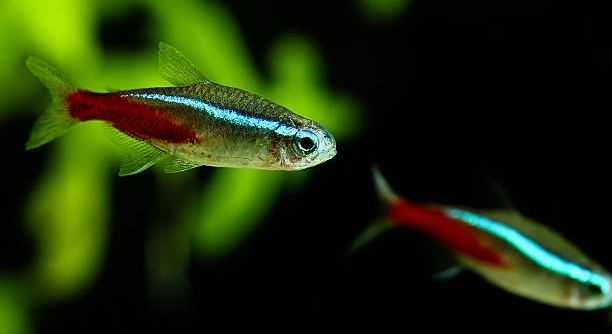
Are your tetras looking a little less lively lately, despite your best efforts to care for them properly? A balanced diet can often make a bigger difference than you think, especially for these small, active fish.
The best foods for tetras are those that mimic their natural diet, including high-quality flakes, micro-pellets, live or frozen brine shrimp, daphnia, and bloodworms. These offer essential nutrients that support their color, energy, and immune system.
Understanding which foods help your tetras thrive will not only keep them healthy but also bring out their best colors and behaviors.
Bloodworms: A Protein-Rich Treat
Bloodworms are one of the most nutritious foods you can offer your tetras. These tiny red larvae are packed with protein, which supports muscle growth and overall health. Tetras love chasing and eating them, making feeding time more natural and engaging. You can find bloodworms frozen or freeze-dried at most pet stores. Frozen ones are typically the better choice because they retain more nutrients. Offer them in moderation, about once or twice a week, to avoid overfeeding. These are best used as a supplement to a varied diet rather than a daily staple. Feeding too many can lead to health issues and water quality problems. It’s also a good idea to thaw frozen bloodworms before feeding to prevent digestive troubles. Bloodworms mimic a natural prey item in the wild, helping to stimulate their natural behaviors and appetite. This option is especially helpful for picky eaters or those that seem less active.
Bloodworms add essential protein to your tetra’s diet and are easy to portion. Just be sure not to rely on them too often or in large amounts.
Their bright red color and movement in the water trigger a strong feeding response in tetras. This makes them perfect for encouraging shy or sluggish fish to eat regularly.
Brine Shrimp: Natural and Nutritious
Brine shrimp are small aquatic crustaceans rich in protein and omega-3 fatty acids. They help tetras maintain energy and build strong immune systems. They’re also easy to digest and available frozen, live, or freeze-dried.
Frozen brine shrimp are a safe and nutritious choice, and they’re often easier to manage than live ones. They can be fed two to three times a week without upsetting the balance of your tank’s water. Many aquarists prefer them because they closely match the diet tetras would have in the wild. They’re especially useful when feeding young or stressed fish, as their soft bodies are easy to eat. If you choose freeze-dried brine shrimp, soak them briefly in tank water before feeding. This helps rehydrate the shrimp and makes them easier for the fish to consume. Brine shrimp are also a good source of color-enhancing nutrients, helping your tetras look more vibrant. Just like with bloodworms, moderation is key. Overfeeding can cause digestive issues and contribute to water pollution. Use them as part of a rotation with other foods to keep your tetras interested and healthy.
Daphnia: A Gentle Fiber Boost
Daphnia are tiny freshwater crustaceans that act as a natural laxative for fish. They help prevent bloating and constipation, especially in small species like tetras. Their soft bodies are easy to digest and safe to feed several times a week.
Feeding daphnia is a good way to keep your tetra’s digestive system working properly. These small organisms are rich in fiber, which supports gut health. You can find them live, frozen, or freeze-dried, though frozen daphnia are the most convenient and balanced option. Freeze-dried daphnia are also fine, but you should soak them first to prevent dryness. Tetras enjoy chasing live daphnia, which also gives them extra stimulation. Because daphnia are low in fat, they won’t overload your fish’s diet. They are also gentle enough to use if your tetra is recovering from stress or illness. A varied diet with fiber-rich foods like daphnia will keep your fish active and healthy.
Adding daphnia to your feeding routine is simple and effective. They can be offered alongside flakes or pellets, or on their own. Most tetras will eat them quickly, reducing waste and helping maintain water clarity. Their light nutritional profile supports health without causing any digestive strain or water quality issues.
High-Quality Flakes: The Everyday Staple
Flake food remains the easiest and most accessible choice for daily feeding. Choose a high-quality brand made for tropical fish, especially those formulated for tetras. Look for options that list fish meal, spirulina, and krill as main ingredients.
Good flakes are specially balanced to meet the daily nutritional needs of tetras. Many brands even add ingredients that help enhance color and immunity. Avoid flakes that use a lot of fillers like wheat or soy, since these offer little nutrition. Feeding small portions two to three times a day works best, as tetras eat quickly and have small stomachs. Crumbling flakes into smaller bits ensures that all fish in the tank get a chance to eat. Always remove excess flakes after a few minutes to avoid water issues. Though flakes are convenient, they should be rotated with fresh or frozen foods to keep your tetras interested and well-fed.
Micro Pellets: Easy to Eat and Full of Nutrients
Micro pellets are great for small-mouthed fish like tetras. They sink slowly, giving every fish a chance to grab a bite. Choose pellets made for tropical or community fish for the best balance of protein, fats, and essential vitamins.
They’re less messy than flakes and hold their shape longer in the water. This helps keep the tank cleaner and reduces waste. Feeding once or twice a day is enough. Avoid overfeeding by using just a small pinch each time, as uneaten pellets can quickly cloud the water.
Freeze-Dried Tubifex: A Compact Protein Source
Freeze-dried tubifex worms are high in protein and very appealing to tetras. They are easy to store and portion, making them a simple treat. Always soak them in tank water before feeding to help with digestion and prevent bloating. Use sparingly to avoid water quality problems.
Blanched Vegetables: Gentle and Natural
Soft vegetables like peas, zucchini, and spinach can be fed once a week. Blanch them in hot water and cut them into tiny bits. They offer fiber and mild nutrients, helping support digestion and overall health.
FAQ
What is the best way to introduce new foods to my tetra?
Introducing new foods should be done slowly and carefully. Start by offering small amounts alongside their usual diet to see how they react. This helps avoid stress and digestive problems. Watch for any signs of refusal or upset, then gradually increase the new food if all goes well. Variety is key to keeping your tetras interested and healthy.
Can tetras eat the same food every day?
Feeding the same food daily can lead to nutritional gaps. Tetras thrive on a varied diet that includes flakes, frozen or live foods, and occasional vegetables. Mixing different food types ensures they get all necessary vitamins and minerals, promoting good health and vibrant color.
How often should I feed my tetras?
Tetras do well with small meals two to three times a day. Feeding them in small amounts helps prevent overfeeding and keeps the tank water clean. Remove any uneaten food after a few minutes to avoid decay and maintain water quality.
Are live foods necessary for tetras?
Live foods are not absolutely necessary but are very beneficial. They encourage natural hunting behaviors and provide excellent nutrition. When live foods are hard to find or keep, frozen or freeze-dried options work well. They still deliver protein and essential nutrients needed for growth and health.
What are signs of overfeeding in tetras?
Signs of overfeeding include bloating, sluggish swimming, and leftover food on the tank bottom. Water quality may worsen due to excess waste, leading to cloudy water or algae growth. Feeding small portions and removing uneaten food helps prevent these problems.
Can tetras eat vegetables?
Yes, tetras can eat small amounts of blanched vegetables like peas or spinach. These add fiber to their diet and aid digestion. Vegetables should only be offered once or twice a week in very small pieces to avoid polluting the tank.
Is it okay to feed tetras only flakes?
While flakes provide basic nutrition, they lack variety and some nutrients found in live or frozen foods. Feeding flakes alone over time may cause health issues or dull coloration. Mixing flakes with other food types will help keep tetras healthy and active.
How do I store live or frozen foods?
Frozen foods should be kept in the freezer and used before the expiration date. Live foods require proper care and clean water to stay healthy before feeding. Avoid thawing and refreezing frozen foods to keep their nutritional value intact.
What if my tetras refuse certain foods?
If tetras refuse a food, try different types or preparations. Sometimes warming frozen food slightly or crushing flakes into smaller pieces helps. Changing feeding times or mixing foods can also stimulate appetite. Patience is important, as tetras can be picky eaters.
Are freeze-dried foods safe for tetras?
Freeze-dried foods are generally safe and convenient. They retain many nutrients but should be soaked in tank water before feeding to prevent digestive issues. Use them occasionally and combine with fresh or frozen options for a balanced diet.
Final Thoughts
Feeding your tetras the right foods is one of the most important parts of keeping them healthy and happy. A balanced diet helps maintain their bright colors, energy levels, and overall well-being. It is important to provide a mix of foods such as high-quality flakes, live or frozen treats like bloodworms and brine shrimp, and even some vegetables from time to time. Each type of food offers different nutrients that support various needs, from protein and vitamins to fiber and minerals. By offering a variety of foods, you reduce the risk of nutritional gaps and keep your tetras interested in their meals.
Paying attention to how much and how often you feed your tetras is just as important as what you feed them. Overfeeding can cause water pollution and health problems, while underfeeding can lead to weakness and poor growth. Feeding small amounts two to three times a day is usually best, making sure to remove any uneaten food to keep the tank clean. It is also helpful to introduce new foods slowly so your fish can adjust without stress. Watching their behavior and appetite can give you clues about what they enjoy and what suits them best. With careful feeding habits, you help ensure your tetras thrive for a long time.
Remember that maintaining good water quality and tank conditions works hand in hand with proper feeding. Even the best diet won’t help if the environment is poor. Regular water changes, appropriate filtration, and a stable temperature create the right setting for your tetras to absorb nutrients properly and stay healthy. Combining good nutrition with proper care practices creates a strong foundation for your fish. In the end, simple changes to their diet can lead to big improvements in their health and happiness, making your aquarium a more vibrant and lively space.

Hello,
If you enjoy the content that we create, please consider saying a "Thank You!" by leaving a tip.
Every little bit helps us continue crafting quality advice that supports the health, happiness, and well-being of pets around the world, for pets of all shapes, sizes, and species.
We really appreciate the kindness and support that you show us!