
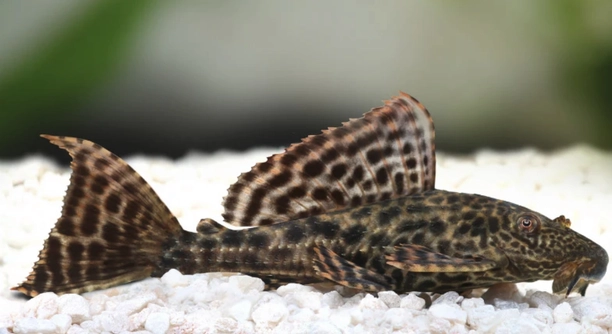
Plecos are known for their beauty and vibrant colors, but achieving their most colorful display can depend on various factors. One important factor is their diet. Certain foods can enhance their colors and help them shine.
The right foods can significantly improve a pleco’s coloration. Foods rich in carotenoids, like certain vegetables and algae, promote bright orange, red, and yellow hues. Additionally, protein-packed foods help maintain overall health and vibrancy.
Incorporating these foods into your pleco’s diet will help bring out their true colors. Discover the best options that can enhance their natural beauty.
Foods That Boost Pleco Coloration
To enhance a pleco’s color, providing a varied diet rich in nutrients is key. Plecos thrive on a combination of plant matter and protein. Algae-based foods, like spirulina, contain high levels of carotenoids that help develop bright yellow and orange shades. Similarly, vegetables like zucchini, peas, and carrots offer essential vitamins that support overall health and color vibrancy. Additionally, live foods such as brine shrimp or bloodworms provide the protein that helps maintain a pleco’s strength and energy.
Including these foods in your pleco’s daily meals will not only improve its health but also enhance its color. Feeding them a diverse mix of plant-based and protein-rich foods ensures a well-rounded diet.
A varied diet plays a large role in the quality of a pleco’s appearance. Regularly offering algae-based food helps maintain consistent color. Supplementing with vegetables and protein ensures that all their nutritional needs are met, resulting in a healthy, colorful pleco.
Vegetables: A Key to Vibrant Colors
Vegetables are an important part of a pleco’s diet, helping them thrive and appear vibrant. Zucchini, spinach, and peas are common choices. These foods are rich in fiber and essential nutrients that contribute to overall health and color enhancement.
Offering vegetables a few times a week ensures plecos get the right balance of vitamins and minerals. These nutrients boost their immune system and improve coloration, especially in the green and yellow spectrum.
Protein-Rich Foods for Plecos
Protein is essential for a pleco’s health and vibrant colors. Offering high-protein foods like bloodworms, brine shrimp, and insect larvae will help them maintain strong muscles and bright colors. These foods also support growth and energy.
Brine shrimp are a great choice because they provide high-quality protein and essential fatty acids, contributing to your pleco’s overall health. Bloodworms also offer a nutrient boost that aids in coloration. These protein sources promote healthy, vibrant plecos by ensuring they have the energy and strength to develop their full color potential.
Adding protein-rich foods to their diet a few times a week can keep your pleco active and colorful. It is important to balance their protein intake with other nutrients to avoid any health issues. Regular feeding of these foods can lead to improved coloration, especially in the blue and red spectrum.
Algae and Algae-Based Foods
Algae are a key food source for plecos, as they naturally graze on algae in their environments. Algae-based foods like spirulina offer a good dose of vitamins and carotenoids that promote healthy colors.
Spirulina, an algae rich in nutrients, is particularly beneficial for plecos. It contains beta-carotene, which enhances orange and yellow pigments. Including spirulina in their diet supports vibrant colors and helps maintain overall health. These algae-based foods are an excellent way to keep your pleco healthy and bright.
Supplying algae-based food provides plecos with essential vitamins and minerals that support their immune system and color. Regularly offering algae helps prevent dullness and supports long-term health. Consider incorporating algae wafers or pellets into your pleco’s diet to maintain its bright and lively appearance.
Fruits for Plecos
Fruits can be a beneficial addition to a pleco’s diet, offering a natural source of vitamins. Offer small amounts of fruits like melon or apple. These foods add variety and essential nutrients.
While fruits are a good supplement, they should be offered sparingly. Too much fruit can lead to excess sugar intake, which can harm your pleco’s health. Use them as a treat to balance their diet.
Pellets and Wafers
Pellets and wafers designed specifically for plecos provide essential nutrients and vitamins. They are easy to feed and can help ensure your pleco gets a balanced diet with minimal effort.
These foods are a great base for pleco nutrition. They often contain a mix of plant matter and protein, making them an excellent option for maintaining a healthy and colorful pleco. Many commercial options are fortified with extra nutrients to boost color and overall health.
FAQ
How often should I feed my pleco to enhance its color?
Feeding your pleco 2-3 times a day is ideal. Offer a variety of foods, including algae-based foods, vegetables, and protein-rich items. Ensure there is a balance to avoid overfeeding. Regular, consistent feeding helps maintain energy levels and promotes bright colors. It’s important not to overfeed, as this can lead to health problems.
Can I feed my pleco only algae-based foods?
While algae-based foods are important, they should not be the only source of nutrition. A diet consisting solely of algae can lack sufficient protein and vitamins, which are necessary for your pleco’s overall health and color. Offer a variety of foods, such as vegetables and protein, alongside algae-based options to ensure proper nutrition.
Are live foods necessary for my pleco’s color?
Live foods are not strictly necessary but can be a helpful supplement. They provide protein and nutrients that contribute to vibrant coloration. Foods like brine shrimp or bloodworms offer the necessary protein to support growth and color. However, they should be given occasionally and balanced with other types of food.
What vegetables are best for my pleco’s diet?
Vegetables like zucchini, peas, and spinach are excellent choices for plecos. These vegetables are rich in fiber, vitamins, and minerals, which help maintain good health and improve color. Blanching vegetables before feeding them will make them easier for your pleco to eat. Keep the portions small to avoid excess waste.
Can fruit be a regular part of my pleco’s diet?
Fruit can be a good treat, but it should not be a regular part of your pleco’s diet. Fruits like melon and apple provide vitamins and a small amount of natural sugars. Too much fruit can lead to digestive issues or excess sugar intake, which is not ideal for plecos. Offer fruit occasionally to add variety.
How can I improve my pleco’s color naturally?
A varied diet is the best way to naturally improve your pleco’s color. Offer algae-based foods, protein-rich live foods, and a mix of vegetables. Foods high in carotenoids, like spirulina, are known to enhance the yellow and orange pigments. Regular feeding and maintaining a healthy environment will also contribute to more vibrant colors.
Are there any foods that I should avoid feeding my pleco?
Avoid feeding your pleco processed or salty foods, as these can cause health issues. Foods like bread, meat, or anything high in fat or sugar should be kept out of their diet. Additionally, avoid offering foods that are not intended for fish, as they may contain harmful additives or preservatives.
How do I know if my pleco is getting enough food?
If your pleco is actively eating, has a healthy appearance, and maintains its weight, it is likely getting enough food. Overfeeding can lead to uneaten food and water quality issues. If your pleco is thin or lethargic, it may not be getting enough nutrients and should be fed more frequently or with different food types.
Can I feed my pleco the same food every day?
Feeding your pleco the same food every day is not ideal. A varied diet helps provide a balanced mix of nutrients, which promotes better health and vibrant colors. Rotate between algae-based foods, vegetables, and protein sources to ensure your pleco gets all the vitamins and minerals it needs.
What is the best way to prepare vegetables for my pleco?
It’s best to blanch vegetables before feeding them to your pleco. Blanching makes them softer and easier to eat while preserving their nutrients. Simply dip the vegetables in boiling water for a few seconds, then let them cool before placing them in the tank. Cut them into small pieces to avoid waste.
Do plecos need a specific water temperature for optimal coloration?
Yes, maintaining the right water temperature is important for your pleco’s health and color. Plecos thrive in water temperatures between 74°F and 80°F (23°C to 27°C). Consistent temperature control helps ensure proper digestion, nutrient absorption, and overall well-being, which will support their vibrant colors.
Can plecos change their color naturally?
Yes, plecos can change their color slightly based on their diet, environment, and health. For example, changes in lighting, water conditions, or the foods they eat can lead to more vibrant or muted colors. A well-balanced diet, clean water, and proper care are essential for maintaining their brightest appearance.
How long does it take to see a change in my pleco’s coloration?
Changes in coloration can take some time, usually a few weeks to a couple of months, depending on the pleco’s diet and overall care. Regularly offering the right foods and maintaining a clean, stable environment will gradually enhance their color. Be patient, as some plecos naturally take time to show visible changes.
Final Thoughts
A well-balanced diet is essential for keeping your pleco healthy and vibrant. By offering a variety of foods, such as algae-based foods, vegetables, and protein-rich options, you can support both their physical health and their natural coloration. Plecos are opportunistic feeders, so they will benefit from a diverse diet that mimics their natural environment. With the right combination of nutrients, you’ll see improvements in their energy levels, size, and, of course, their color.
However, it’s important to remember that feeding your pleco should not be done in excess. Overfeeding can lead to health problems, such as obesity or poor water quality, which can affect your pleco’s overall well-being. It’s best to stick to a consistent feeding schedule and monitor the amount of food provided to avoid waste. Also, consider offering a mix of fresh and prepared foods to give them all the necessary vitamins and minerals without overwhelming their digestive system.
In addition to proper nutrition, maintaining a clean and stable environment for your pleco is key to their health and coloration. Regular water changes and monitoring water parameters like temperature, pH, and ammonia levels will help keep your pleco comfortable and stress-free. The combination of a good diet, proper water conditions, and regular care will ensure that your pleco remains healthy and colorful for years to come.

Hello,
If you enjoy the content that we create, please consider saying a "Thank You!" by leaving a tip.
Every little bit helps us continue crafting quality advice that supports the health, happiness, and well-being of pets around the world, for pets of all shapes, sizes, and species.
We really appreciate the kindness and support that you show us!