
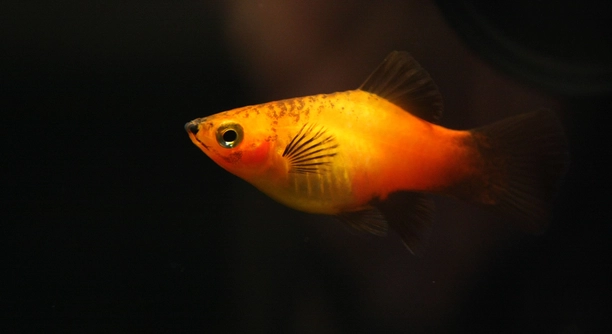
Platies are popular aquarium fish known for their vibrant colors and lively personalities. Many fishkeepers enjoy seeing their platies’ colors brighten and become more vivid over time. Feeding the right foods plays an important role in enhancing their natural beauty.
Certain foods contain pigments and nutrients that help intensify platy colors. Foods rich in carotenoids, spirulina, and vitamins support coloration by promoting pigment development in their skin and scales. Providing a balanced diet with these ingredients results in brighter, more striking fish.
Knowing which foods contribute to vibrant colors can help you maintain a healthy, visually appealing aquarium. This article lists seven effective foods to add to your platy’s diet for enhanced color.
Spirulina: A Natural Color Booster
Spirulina is a type of blue-green algae commonly used in fish food to improve coloration. It contains high levels of carotenoids, which are pigments responsible for red, orange, and yellow hues in fish. Adding spirulina to your platy’s diet can enhance their orange and red tones, making their colors more vivid. This algae also has proteins and vitamins that support overall health, helping your fish stay active and vibrant. Many commercial fish flakes and pellets include spirulina because it works well and is easy to digest. Feeding spirulina regularly, either through specialized flakes or frozen supplements, can make a noticeable difference in your platy’s appearance over time. It’s a natural way to help your fish look their best without using artificial dyes or additives. Consistency is key since effects build gradually, but the results are well worth it.
Spirulina also supports immune health, keeping platies strong against diseases.
Regular feeding with spirulina helps maintain brighter colors and better health in platies, making it a simple yet effective addition to their diet.
Carotenoid-Rich Foods
Carotenoids are pigments found in many natural foods that intensify platy coloration. Common sources include shrimp, krill, and certain vegetables. These foods provide essential nutrients that platies convert into bright pigments visible in their scales and fins. Including carotenoid-rich options in your fish’s diet ensures more vibrant reds, oranges, and yellows. While commercial pellets often contain added carotenoids, supplementing with fresh or frozen foods like brine shrimp or krill can enhance color depth further. Vegetables such as carrots and spinach also contain carotenoids, but fish absorb pigments from animal-based sources more efficiently. Feeding a mix of carotenoid foods keeps platies looking healthy and colorful. It’s important to avoid overfeeding and maintain a balanced diet for optimal results. Introducing these foods gradually helps fish adjust and reduces the risk of digestive upset. Overall, carotenoid-rich foods are essential for bringing out the brightest colors in platies naturally and safely.
Frozen Bloodworms
Frozen bloodworms are a popular treat that many platy owners use to boost color. They are rich in protein and contain natural pigments that enhance reds and pinks. Offering bloodworms occasionally helps platies develop deeper, more vibrant hues.
These worms are easy to store and feed. Unlike live food, frozen bloodworms reduce the risk of introducing parasites or bacteria into the tank. When thawed properly, they retain nutrients that benefit platy coloration and growth. Their high protein content supports muscle development and overall health, contributing to brighter fish. It’s important to feed bloodworms in moderation to avoid digestive problems or water quality issues. Regular inclusion as a treat can make a noticeable difference in the intensity of your platy’s colors.
Frozen bloodworms also stimulate natural feeding behaviors, which keep platies active and engaged. Adding them once or twice a week complements their regular diet well.
Vegetables for Color Enhancement
Vegetables like peas, spinach, and zucchini provide vitamins and antioxidants that help platies maintain healthy skin and vibrant colors. They supply fiber, aiding digestion and preventing constipation. Blanched and finely chopped, these veggies become an easy-to-eat source of nutrition.
Including vegetables in the diet ensures balanced nutrition beyond protein and pigments. Vitamins A and C in vegetables support immune function and skin health, which indirectly improves color quality. Fiber helps keep the digestive system running smoothly, promoting better nutrient absorption. It’s best to introduce vegetables slowly and observe how your fish respond. Overfeeding vegetables can cause water pollution, so portion control is essential. Mixing vegetables with regular pellets or flakes creates a diverse diet that supports both color and health. Vegetables alone won’t produce vivid colors like carotenoids, but they enhance overall fish well-being and help sustain brightness long-term.
Krill: A Rich Source of Color
Krill is a small crustacean packed with carotenoids, especially astaxanthin, which intensifies red and orange colors in platies. It’s available frozen or freeze-dried and is a favorite among fishkeepers for boosting fish coloration naturally.
Krill also provides essential proteins and fatty acids that support growth and overall health. Feeding krill regularly can enhance your platy’s vibrancy while keeping them strong and active.
High-Quality Pellets
Using high-quality pellets designed for platies ensures a balanced diet with added color-enhancing ingredients. These pellets often include spirulina, carotenoids, and vitamins to support vivid colors. Choosing a trusted brand helps maintain your fish’s color and health consistently over time.
Brine Shrimp
Brine shrimp are rich in protein and carotenoids, making them a valuable food for platy color enhancement. They are easy to digest and help maintain energy levels while supporting pigmentation. Feeding brine shrimp regularly improves overall color brightness.
How often should I feed color-enhancing foods to my platies?
Feeding color-enhancing foods like spirulina, krill, or bloodworms two to three times a week is enough to see improvements without overfeeding. Regularly offering these supplements alongside a balanced staple diet ensures your platies get the nutrients they need for vibrant colors and good health. Overfeeding can cause water quality issues, so moderation is important.
Can feeding only color-enhancing foods cause health problems?
Yes, relying solely on color-boosting foods can lead to nutritional imbalances. While these foods are great for pigmentation, platies need a well-rounded diet with proteins, fats, vitamins, and minerals. Using a variety of pellets, flakes, and fresh or frozen supplements ensures overall health and prevents deficiencies.
Are there risks to using live foods like bloodworms or brine shrimp?
Live foods can carry parasites or bacteria, so it’s safer to use frozen or freeze-dried versions. These options keep the benefits of live food without introducing harmful organisms into your tank. Always source foods from reputable suppliers and handle them with care to minimize risks.
How long does it take to see color improvements from diet changes?
Visible changes usually take several weeks of consistent feeding. Pigment development in platies builds gradually as nutrients accumulate in their skin and scales. Patience is key, as sudden changes are unlikely and maintaining a steady diet supports long-term color enhancement.
Can vegetables alone improve platy colors?
Vegetables provide vitamins and fiber but don’t directly increase pigmentation like carotenoid-rich foods. They support general health and help maintain brightness by improving digestion and immune function. Including vegetables complements protein-rich foods for balanced nutrition.
Is it okay to mix several color-enhancing foods in one feeding?
Mixing a few different foods can provide a wider range of nutrients and pigments. However, portion control is important to avoid overfeeding and maintain water quality. Rotating foods throughout the week can also prevent dietary monotony and promote better nutrient absorption.
Do all platies respond the same way to color-enhancing diets?
No, genetics and individual health affect how platies show color changes. Some fish may brighten quickly, while others take longer or show less dramatic improvements. Providing good care, clean water, and proper nutrition maximizes each fish’s potential color expression.
Are artificial color enhancers safe for platies?
Artificial dyes can produce bright colors quickly but may harm fish health or cause stress. Natural foods are safer and promote sustainable color enhancement. Avoid products with synthetic color additives to ensure your platies remain healthy over time.
Can poor water quality affect platy coloration?
Yes, dirty or unstable water can dull colors and weaken fish. Maintaining good water conditions with regular changes and filtration supports vibrant colors by reducing stress and promoting overall well-being.
What is the best way to introduce new foods to platies?
Introduce new foods gradually by mixing small amounts with familiar pellets or flakes. Observe how your platies react and adjust feeding amounts accordingly. Gradual introduction helps prevent digestive upset and encourages acceptance of varied diets.
Final thoughts are important when caring for platies and wanting their colors to stand out. The right diet plays a big role in making your fish look bright and healthy. Including foods rich in carotenoids, like spirulina, krill, and bloodworms, can help bring out the red, orange, and yellow tones in your platies. At the same time, vegetables such as peas and spinach support their overall health by providing necessary vitamins and fiber. Feeding a variety of these foods in moderation creates a balanced diet that not only improves color but also keeps your fish strong and active.
It is important to remember that changes in color happen gradually. You won’t see immediate results after changing your platy’s diet. Consistency is key. Feeding the right foods regularly over several weeks allows the pigments to build up in their scales and skin. Along with diet, good water quality and a healthy environment support vibrant colors. Poor water conditions can stress fish, causing their colors to fade. Routine tank maintenance and clean water help your platies maintain their natural brightness. Combining proper nutrition with clean water is the best approach to keeping your fish looking their best.
Lastly, every platy is different. Some may show brighter colors faster, while others take more time or show subtle changes. Genetics and individual health influence how well their colors develop. Be patient and provide a steady diet with the foods that promote pigmentation. Avoid artificial dyes or overfeeding, which can harm your fish. Focus on natural foods that nourish your platies for long-term benefits. With care and the right feeding plan, your platies will display beautiful colors that enhance your aquarium’s appeal.

Hello,
If you enjoy the content that we create, please consider saying a "Thank You!" by leaving a tip.
Every little bit helps us continue crafting quality advice that supports the health, happiness, and well-being of pets around the world, for pets of all shapes, sizes, and species.
We really appreciate the kindness and support that you show us!