
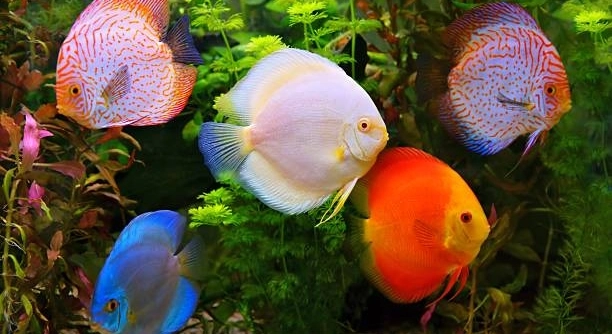
Many discus fish owners notice their tanks getting dirty faster than expected. Sometimes, the food they feed their discus can cause excessive waste. Identifying which foods lead to this problem is important for maintaining a clean and healthy aquarium environment.
Certain foods are known to increase waste production in discus fish due to their high indigestible content or poor nutritional balance. Feeding discus foods with excessive fillers, low protein, or poor-quality ingredients can result in more feces and water pollution, affecting fish health.
Understanding which foods contribute to excess waste can help improve your discus care routine. Managing their diet effectively will support a cleaner tank and healthier fish overall.
Foods High in Fillers
Many commercial discus foods contain fillers like wheat, corn, or soy. These ingredients are inexpensive and bulk up the food but are hard for discus to digest. When discus eat foods with high fillers, much of it passes through their system unused, leading to increased waste. This waste not only dirties the tank quickly but can also affect water quality. Poor water conditions stress discus fish and may cause health problems. Choosing foods with fewer fillers and more natural ingredients can reduce waste. It also helps discus absorb the nutrients they need for growth and color.
Fillers reduce the nutritional value of the diet and increase digestive workload, causing more waste production in discus fish.
Feeding discus food that contains minimal fillers is key to controlling waste. Opt for brands or homemade mixes with high protein content and easily digestible ingredients. This helps maintain water clarity and fish well-being, making tank maintenance easier over time.
Overfeeding and Uneaten Food
Overfeeding is a common issue that increases waste in discus tanks. Uneaten food sinks and decomposes, raising ammonia and nitrate levels. These compounds harm water quality and the fish themselves. It’s easy to give too much food, especially when fish seem hungry or active. However, feeding smaller portions more frequently can improve digestion and reduce leftovers. Monitoring how much your discus actually eats and removing any excess promptly helps prevent waste buildup. Consistent feeding schedules support healthier fish and cleaner tanks.
Low-Quality Frozen Foods
Low-quality frozen foods often contain fillers and preservatives that discus find hard to digest. These ingredients can pass through the digestive system without being absorbed, resulting in more waste and poor water quality. Choosing premium frozen foods helps reduce this problem.
Frozen foods like bloodworms and brine shrimp are popular but vary in quality. Lower-grade options may have added fillers or be less fresh, which affects how well discus can digest them. Poor digestion increases waste output and can lead to cloudy water and frequent tank cleanings. It’s important to select trusted brands or prepare frozen foods yourself when possible.
Feeding only the highest quality frozen foods ensures discus get proper nutrition and produce less waste. These foods support better health and reduce tank maintenance. Taking time to research and invest in good frozen options benefits both fish and aquarium cleanliness.
Plant-Based Foods
Plant-based foods are sometimes included in discus diets, but they often cause more waste. Discus fish naturally prefer protein-rich diets, so plants can be harder for them to digest fully. This results in leftover material being expelled as waste.
Feeding too much plant matter, such as spirulina or vegetable flakes, may increase fecal volume and affect water quality. While some plant content is beneficial, excessive amounts lead to more frequent cleaning and higher risk of ammonia spikes. Balancing plant foods with quality protein sources helps maintain digestive health and cleaner tanks.
Careful portioning of plant-based foods and observing how discus react can improve feeding efficiency. Reducing excess plant matter minimizes waste and keeps your tank stable and healthy. Proper diet balance is key to managing discus waste levels.
Uneaten Food
Uneaten food quickly decomposes in the tank, contributing to poor water quality and increased waste buildup. Removing leftovers promptly is essential to maintain a clean environment.
Regularly checking feeding amounts and cleaning uneaten food helps prevent excess waste and supports healthier discus fish.
Low Protein Content Foods
Foods low in protein do not meet discus nutritional needs and are harder for them to digest. This results in increased waste and weaker fish. Feeding high-protein diets supports better digestion and less waste production overall.
Processed Pellet Foods
Some processed pellets contain additives and binders that discus fish struggle to digest fully. These ingredients increase fecal output and reduce water quality over time.
Feeding Frequency
Feeding discus too often can overwhelm their digestive system and lead to more waste. Controlling feeding schedules helps maintain digestion and reduces excessive waste buildup.
What causes excessive waste in discus fish?
Excessive waste in discus fish mainly comes from diet issues. Foods high in fillers, low protein, or poor-quality ingredients are harder for discus to digest. This leads to more undigested material passing through their system as waste. Overfeeding and uneaten food also add to the problem, as leftovers break down and pollute the water. Choosing quality food and feeding appropriate amounts can greatly reduce waste production. Maintaining good water conditions helps discus stay healthy and digest food better, further lowering waste.
How can I reduce waste in my discus tank?
Reducing waste starts with feeding high-quality, protein-rich foods that discus can digest easily. Avoid foods with too many fillers or unnecessary additives. Feed small portions based on what your fish can eat in a few minutes and remove any leftovers immediately. Regular tank maintenance, including water changes and cleaning, supports a healthy environment that minimizes waste buildup. Observing your discus’ behavior during feeding helps adjust amounts and food types to avoid overfeeding. Consistency in diet and tank care is key to managing waste effectively.
Are all frozen foods bad for discus?
Not all frozen foods are bad, but quality matters. Low-quality frozen foods may contain fillers or preservatives that increase waste. Premium frozen foods, such as high-grade bloodworms or brine shrimp, provide better nutrition and digest more easily. When possible, preparing your own frozen foods or buying trusted brands reduces waste output. Feeding a variety of good-quality frozen foods keeps discus healthy and minimizes tank pollution. Always thaw frozen foods properly and feed only what your discus can consume quickly.
Is overfeeding a common problem with discus fish?
Yes, overfeeding is very common because discus often seem hungry or active. However, feeding too much food leads to uneaten leftovers, which break down and increase waste. Overfeeding also stresses the fish and worsens water quality. Feeding small portions multiple times a day, based on how much they actually eat, helps prevent this. Removing any uneaten food immediately keeps the tank clean and protects discus health. Watching your fish during feeding sessions helps fine-tune portion sizes and reduce waste.
Do plant-based foods cause more waste in discus tanks?
Plant-based foods can increase waste because discus naturally prefer protein-rich diets. Plants are harder to digest fully, resulting in more fecal matter. While some plant content is healthy, too much can affect water quality and cause frequent tank cleanings. Balancing plant-based foods with high-protein options supports better digestion and reduces waste. Monitoring how your discus respond to plant foods and adjusting amounts accordingly keeps their waste production lower and tanks cleaner.
How often should I feed discus fish?
Feeding discus two to three times a day is usually sufficient. Frequent small meals allow better digestion and reduce uneaten leftovers. Feeding too often can overload their digestive system, leading to increased waste. Sticking to a regular schedule helps discus maintain good health and keeps waste levels manageable. Adjust feeding frequency based on fish size, age, and activity, but avoid overfeeding to keep the tank environment stable.
What type of food is best to reduce waste?
High-protein foods with minimal fillers are best to reduce waste. Look for discus-specific pellets or flakes made from quality ingredients. Fresh or high-quality frozen foods like bloodworms or brine shrimp also support good digestion. Avoid foods with excessive fillers, binders, or low nutrient content, as these lead to more waste. Feeding a balanced diet tailored to discus nutritional needs improves digestion efficiency and keeps waste production down.
How does poor water quality affect discus digestion and waste?
Poor water quality stresses discus and can impair their digestion, causing increased waste output. Ammonia, nitrites, and nitrates build up from uneaten food and feces, which further harms fish health. Keeping water clean through regular changes and filtration helps discus digest food properly and lowers waste production. Healthy water conditions promote better nutrient absorption and less fecal matter, creating a stable environment for discus to thrive.
Final Thoughts
Managing waste in discus fish tanks requires attention to diet and feeding habits. The type of food given plays a major role in how much waste discus produce. Foods high in fillers or low-quality ingredients are harder for discus to digest, leading to increased waste. Choosing high-protein, easily digestible foods helps reduce this problem. It also supports the overall health of the fish. Feeding the right amount and removing any uneaten food prevents leftover material from breaking down and polluting the tank. These simple steps make maintaining a clean aquarium easier and safer for discus.
Consistent feeding schedules and careful portion control are important in controlling waste. Overfeeding is a common mistake that causes uneaten food to accumulate in the tank. This can quickly degrade water quality and create a stressful environment for discus. Smaller meals given more frequently allow discus to eat fully without leaving leftovers. Watching how much your fish consume during feeding helps avoid excess food and waste buildup. Regular water changes and tank cleaning complement proper feeding practices, creating a balanced environment where discus can thrive.
Understanding how diet affects waste production is key to keeping discus healthy and their tanks clean. Paying attention to food quality, feeding amounts, and frequency will minimize waste and improve water conditions. The right choices benefit both the fish and the aquarium keeper. Maintaining a clean tank not only reduces stress on discus but also makes the experience more enjoyable. These practical steps create a healthier space for discus fish and reduce the time and effort needed for tank maintenance.

Hello,
If you enjoy the content that we create, please consider saying a "Thank You!" by leaving a tip.
Every little bit helps us continue crafting quality advice that supports the health, happiness, and well-being of pets around the world, for pets of all shapes, sizes, and species.
We really appreciate the kindness and support that you show us!