
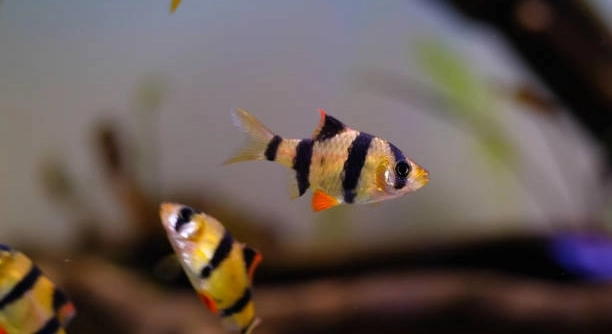
Tiger barbs are colorful freshwater fish that need good care to stay healthy. When they get stressed or sick, their recovery depends a lot on the food they eat. Feeding the right diet helps them heal faster and stay strong.
Certain foods rich in vitamins, minerals, and proteins support tiger barbs’ immune systems and tissue repair. These include ingredients like bloodworms, spirulina, and high-quality flakes that promote rapid recovery and overall vitality in these fish.
Knowing which foods aid healing can improve your tiger barbs’ well-being. The following list explains key options that help them bounce back quickly after illness or stress.
Bloodworms: A Protein Boost for Recovery
Bloodworms are a great source of protein, which is essential for tiger barbs to rebuild tissue and recover quickly. These worms are soft and easy to digest, making them ideal for fish that are weak or stressed. Feeding bloodworms helps strengthen the immune system and supports faster healing after illness or injury. You can give bloodworms either frozen or live, depending on availability and your preference. It’s important to feed them in moderation to avoid water quality issues, as leftover food can pollute the tank. Many tiger barb owners notice that their fish become more active and regain color after adding bloodworms to their diet. This food also encourages natural hunting behavior, which helps keep the fish mentally engaged. Overall, bloodworms are a reliable option to include in recovery diets because of their nutritional benefits and ease of use.
Bloodworms should be fed as a treat two to three times a week, alongside a balanced diet.
Including bloodworms regularly helps keep your tiger barbs healthy and ready to recover quickly when needed.
Spirulina: A Natural Immune Support
Spirulina is a type of algae that offers many nutrients like vitamins, antioxidants, and protein.
Adding spirulina to your tiger barbs’ diet helps improve their immune system and boosts their energy levels. This natural ingredient contains pigments that enhance the fish’s colors and promote better digestion. Spirulina can be found in flakes or powder form and is easy to mix with other foods. It also helps reduce inflammation, which is important when fish are recovering from stress or disease. Many aquarists report better overall health in their tiger barbs after including spirulina regularly. Besides nutritional benefits, spirulina supports the growth of beneficial bacteria in the tank, which helps maintain good water quality. Feeding your fish spirulina as part of their daily meals can make a noticeable difference in how fast they recover and how vibrant they look.
To get the best results, combine spirulina with protein-rich foods for a balanced recovery diet that supports healing and strength.
High-Quality Flake Food
High-quality flake food provides essential vitamins and minerals needed for healing. It should be a staple in your tiger barbs’ diet during recovery to ensure balanced nutrition and steady energy.
Choose flakes specifically made for tropical fish, which include added nutrients for immune support. Feeding small amounts multiple times a day can prevent overeating and help maintain water quality. Flakes are convenient and easy to digest, making them perfect for fish regaining strength. Avoid cheap flakes that lack proper nutrients, as they may slow down recovery or cause health issues. Combining flake food with other protein-rich options offers a well-rounded diet.
When feeding flakes, break them into smaller pieces if necessary to make it easier for weak or smaller tiger barbs to eat. This helps them get enough nutrition without struggling or wasting food.
Frozen Peas
Frozen peas are a simple and effective food for tiger barbs recovering from constipation or digestive issues.
Peas contain fiber that helps clear the digestive tract and prevent blockages, which are common problems in stressed or sick fish. Before feeding, thaw and remove the skin to make the peas easier to eat. Small portions offered once or twice a week can improve digestion and support overall gut health. Peas also provide vitamins and antioxidants that aid the healing process. Many fishkeepers use peas as a natural remedy when their tiger barbs seem sluggish or bloated after illness. Including peas in your feeding routine supports long-term health and keeps your fish comfortable during recovery.
Remember to balance pea feedings with protein-rich foods to maintain proper nutrition and energy levels for your tiger barbs.
Brine Shrimp
Brine shrimp are a nutritious, easy-to-digest food that helps tiger barbs recover quickly.
They provide high protein and essential fatty acids, boosting energy and healing.
Fresh Vegetables
Fresh vegetables like zucchini or spinach add important vitamins and fiber.
These veggies support digestion and improve overall health during recovery.
Daphnia
Daphnia, also known as water fleas, are rich in protein and natural enzymes.
Feeding daphnia helps clear the fish’s digestive system and supports immune health. These tiny crustaceans are easy to digest, making them ideal for weak or recovering tiger barbs. Daphnia also stimulate natural hunting behavior, encouraging activity and mental engagement. Their nutrients promote faster healing and better coloration. Using daphnia occasionally can improve recovery outcomes, especially when combined with other protein sources.
Cucumber
Cucumber is a gentle food option that helps soothe the digestive tract.
What foods are best for helping tiger barbs recover quickly?
The best foods for recovery are those rich in protein, vitamins, and fiber. Bloodworms, brine shrimp, and daphnia provide high protein, which helps repair damaged tissues. Spirulina and fresh vegetables like zucchini add vitamins and antioxidants that support the immune system. Peas and cucumber offer fiber to improve digestion. A mix of these foods ensures balanced nutrition for faster healing.
How often should I feed recovery foods to my tiger barbs?
During recovery, feed small amounts two to three times a day to avoid overfeeding and water pollution. Protein-rich foods like bloodworms or brine shrimp can be given as treats every other day. Vegetables and spirulina flakes can be included daily. Feeding smaller portions more frequently keeps the fish nourished without stressing their digestion or the tank environment.
Can I feed only frozen or live foods to my tiger barbs during recovery?
Relying solely on frozen or live foods is not ideal. While these foods offer high nutrition, a balanced diet should include quality flakes or pellets to provide vitamins and minerals missing in live foods. Combining frozen, live, and prepared foods supports overall health and speeds recovery more effectively than any single food source.
Are there any foods I should avoid during recovery?
Avoid feeding tiger barbs fatty or processed foods that can upset digestion, such as dried bread or human snacks. Also, limit foods that may pollute the tank quickly if uneaten. Overfeeding any food can harm water quality, which slows healing. Stick to fresh, nutritious options and remove uneaten food promptly.
How do I know if my tiger barb is recovering well?
Signs of recovery include increased activity, brighter colors, and regular eating habits. The fish should swim normally and show less hiding behavior. Healthy fins and clear eyes are also good indicators. If symptoms persist, it may mean the diet or environment needs adjustment.
Can dietary changes alone heal sick tiger barbs?
Diet plays a major role but may not be enough if the fish has a serious illness or poor water conditions. Always maintain clean, stable water and treat diseases as needed. Nutrition supports the immune system, helping fish fight infections and heal faster, but overall care is crucial.
Is it safe to mix different recovery foods in one meal?
Yes, mixing foods like flakes with bloodworms or spirulina boosts nutrition variety. This helps provide all essential nutrients and keeps fish interested in eating. Just be careful not to overfeed and remove leftovers quickly to maintain water quality.
How long does it usually take for tiger barbs to recover with proper diet?
Recovery time varies depending on the illness and fish condition but typically ranges from several days to two weeks. A nutritious diet speeds healing, but patience and consistent care are important. Monitor the fish closely and adjust feeding if progress slows.
Proper nutrition plays a key role in helping tiger barbs recover quickly from stress, illness, or injury. Feeding the right foods gives their bodies the vitamins, minerals, and proteins needed to rebuild tissue and boost the immune system. Including a variety of foods such as bloodworms, spirulina, flake food, and fresh vegetables creates a balanced diet that supports healing. It is important to offer these foods in small, frequent meals to prevent overfeeding and maintain good water quality in the tank. A thoughtful approach to diet can make a big difference in how fast and well your fish get back to normal.
Along with providing nutritious food, consistent care and proper tank conditions are just as important. Keeping the water clean, stable, and well-filtered helps reduce stress and prevents additional health problems. Stress weakens fish and slows down recovery, so minimizing disturbances and maintaining a calm environment can support healing. It’s also necessary to watch for signs of illness and treat them promptly if they appear. Nutrition alone cannot fix every problem, but when combined with good tank care, it greatly improves your tiger barbs’ chances of recovering quickly and staying healthy.
In summary, the best way to help tiger barbs recover fast is by feeding a varied, nutrient-rich diet while maintaining clean, stable tank conditions. Foods like bloodworms, brine shrimp, spirulina, peas, and fresh vegetables provide essential nutrients that strengthen the immune system and support tissue repair. Small, frequent feedings help avoid overfeeding and keep water quality high. Along with proper diet, attentive tank care and prompt treatment of any illnesses are necessary. By following these steps, your tiger barbs will have the best chance at a quick and full recovery.

Hello,
If you enjoy the content that we create, please consider saying a "Thank You!" by leaving a tip.
Every little bit helps us continue crafting quality advice that supports the health, happiness, and well-being of pets around the world, for pets of all shapes, sizes, and species.
We really appreciate the kindness and support that you show us!