
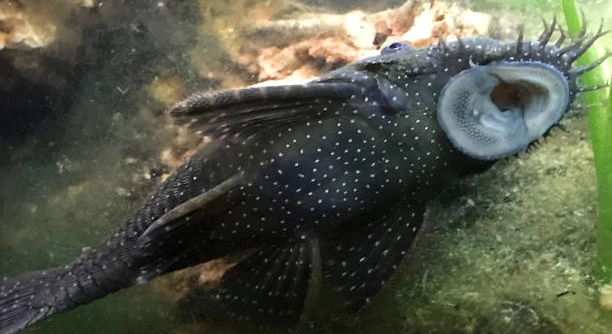
If you have a plecostomus in your aquarium, you may have noticed how important it is to promote their healthy growth. Feeding them the right foods can make a significant difference in their development.
Certain foods can accelerate the growth of plecostomus by providing the essential nutrients they need. These foods, such as algae wafers and vegetables, offer the right balance of vitamins and minerals that support their overall health and growth rate.
In this article, we’ll explore the best food options to ensure your plecostomus grows quickly and remains healthy in its aquatic environment.
Algae Wafers
Algae wafers are a favorite food for plecostomus because they closely mimic their natural diet. These wafers are made from algae, which plecos naturally consume in the wild. They provide the right balance of nutrients, particularly fiber, which supports digestion and growth. Plecostomus can graze on these wafers over time, ensuring they are getting a steady source of nutrition. The algae content helps in maintaining their gut health, which is vital for overall development. In addition to promoting faster growth, algae wafers help keep the aquarium clean by encouraging plecos to eat algae and debris.
They are easy to find in pet stores and offer a convenient way to ensure your plecostomus gets the right nutrients.
These wafers also last longer in the water compared to fresh vegetables, making them an excellent choice for busy aquarium owners. The right algae wafer can make a noticeable difference in your plecostomus’ growth, making it a must-have in their diet.
Vegetables
Feeding plecostomus vegetables, such as zucchini, cucumber, and spinach, provides additional vitamins and minerals. These veggies are rich in fiber, which aids digestion, and are full of water, which keeps them hydrated. Plecos enjoy these fresh offerings, and they help diversify their diet, preventing nutrient deficiencies.
These vegetables also offer essential nutrients like vitamin C and calcium. These contribute to the overall health and growth of plecostomus. The high water content can also support their hydration and well-being.
It’s important to note that you should blanch the vegetables before offering them to your plecostomus. Blanching softens the veggies and makes them easier for plecos to consume. Cut them into manageable pieces and place them in the aquarium for your pleco to enjoy. Offering fresh vegetables regularly can ensure they are receiving a varied and nutritious diet.
Driftwood
Driftwood is an excellent addition to a plecostomus’ diet and environment. It provides them with a natural way to scrape and gnaw, which helps keep their teeth healthy and well-maintained. This wood can also promote the growth of beneficial bacteria that contribute to a healthy tank.
Driftwood offers a good source of fiber and essential minerals that plecos need for proper digestion and overall health. Over time, it breaks down in the tank, creating an environment similar to the plecostomus’ natural habitat. This wood also contributes to water acidity, which plecos thrive in. By providing driftwood, you’re creating a more natural and suitable environment for your fish.
Additionally, driftwood offers a long-term source of food. Unlike vegetables or algae wafers that need replacing, driftwood can stay in the aquarium for an extended period. It becomes a permanent fixture in your pleco’s habitat, providing nutritional value and helping with tank maintenance.
High-Quality Fish Pellets
High-quality fish pellets are formulated to meet the specific needs of plecostomus, providing them with a balanced diet. These pellets are rich in proteins, vitamins, and minerals that support healthy growth. They are often made from fishmeal, which is a great protein source.
When selecting fish pellets, it’s important to choose options designed for bottom-feeding fish like plecos. These pellets sink to the bottom of the tank, where plecos can easily access them. They also break down slowly, ensuring your plecostomus can feed at its own pace. High-quality pellets help ensure that your pleco receives all the nutrients it needs for growth and health.
Feeding these pellets in moderation helps to maintain a balanced diet. Overfeeding should be avoided as it can lead to poor water quality. As part of a varied diet that includes vegetables and algae wafers, these pellets contribute significantly to your pleco’s growth.
Bloodworms
Bloodworms are an excellent protein source for plecostomus, helping to promote faster growth. They are rich in essential nutrients, providing a boost to plecos that might need extra protein for development. When offered as an occasional treat, bloodworms can enhance their diet and growth potential.
However, bloodworms should be fed sparingly, as they are high in protein. Too much protein can lead to issues like obesity or water quality problems due to uneaten food. Use bloodworms as a supplement, alongside other food types, to create a balanced and nutritious diet.
Shrimp
Shrimp provides another great source of protein, contributing to faster growth in plecostomus. They are rich in essential fatty acids and minerals, helping to promote muscle development and overall health. Shrimp also encourages plecos to exhibit their natural foraging behavior.
Offering shrimp should be done in moderation, similar to bloodworms. While they provide key nutrients, they should not make up the bulk of the diet. This balance ensures plecos get a variety of nutrients to support both growth and long-term health.
FAQ
What is the best food for plecostomus growth?
The best foods for promoting plecostomus growth are algae wafers, vegetables like zucchini and spinach, high-quality fish pellets, and protein-rich options like bloodworms and shrimp. These provide a balanced diet full of essential nutrients. A varied diet ensures that plecos receive the right amount of fiber, vitamins, and protein to support healthy development.
How often should I feed my plecostomus?
Plecostomus should be fed once or twice a day, with small amounts that they can consume within a few hours. Overfeeding can lead to water quality issues, so it’s important to monitor how much they’re eating and remove any uneaten food after a couple of hours. This helps maintain both the fish’s health and the cleanliness of the tank.
Can plecostomus eat just algae wafers?
While algae wafers are an important part of their diet, plecostomus should not rely on them exclusively. A balanced diet that includes vegetables, high-quality pellets, and occasional protein sources will promote faster growth and better overall health. Algae wafers alone do not provide all the necessary nutrients.
What vegetables can plecostomus eat?
Plecostomus can eat a variety of vegetables, including zucchini, cucumber, spinach, and lettuce. These vegetables are rich in fiber and water, helping to support digestion and hydration. It’s important to blanch the vegetables before offering them to soften them and make them easier for plecos to consume.
Are bloodworms safe for plecostomus?
Bloodworms are safe for plecostomus and can be a great protein supplement to encourage faster growth. However, they should be offered sparingly because they are high in protein and can cause health issues if overfed. It’s best to feed bloodworms as an occasional treat, not a regular part of their diet.
Can plecostomus eat shrimp?
Shrimp is a healthy source of protein for plecostomus and can support their growth. Shrimp provides essential fatty acids and minerals, but it should also be fed in moderation. Too much shrimp may cause water quality issues or an imbalanced diet. Use shrimp as an occasional supplement to their regular diet.
How can I maintain water quality when feeding plecostomus?
To maintain good water quality, avoid overfeeding your plecostomus. Remove any uneaten food after feeding, and regularly perform water changes to keep the tank clean. Additionally, using a good filtration system helps to manage waste and ensure the water remains healthy for both your plecostomus and other tank inhabitants.
How long does it take for a plecostomus to grow?
Plecostomus typically grow slowly but steadily. On average, they can grow up to 1 inch per month during the first year of life. However, their growth rate depends on factors like the diet, water quality, and overall tank conditions. With the right care, plecos can grow up to 12 inches or more over several years.
Do plecostomus need supplements?
In most cases, plecostomus do not need additional supplements if they are fed a well-balanced diet. However, if you notice that your pleco is not growing as expected or has health issues, you might consider supplementing their diet with vitamins or minerals. Always consult with an aquarium expert before introducing supplements.
Can plecostomus live with other fish?
Plecostomus are generally peaceful and can live with many other fish species. They are bottom-dwelling fish and usually don’t interfere with tank mates. However, avoid keeping them with overly aggressive fish or species that might compete for space and food. Ensure there’s enough room in the tank for everyone.
Why is my plecostomus not growing?
If your plecostomus isn’t growing, it may be due to inadequate nutrition, poor water quality, or overcrowding in the tank. Ensure you’re providing a varied and balanced diet, maintaining clean water, and giving your pleco enough space to thrive. Monitor these factors and adjust accordingly to support optimal growth.
Can plecostomus eat fruit?
While plecostomus generally prefer vegetables, small amounts of fruit can be offered as an occasional treat. Fruits like apple slices, berries, or melon can be added, but they should not be a regular part of the diet. Fruit is high in sugar and should be given in moderation to avoid digestive issues.
How do I know if my plecostomus is healthy?
A healthy plecostomus will have smooth, vibrant skin and will actively explore the aquarium, grazing on surfaces or eating. They should have clear, unclouded eyes and show no signs of injury or disease. If you notice changes in behavior, appetite, or appearance, it may be time to check water conditions or consult an expert.
What water conditions do plecostomus need for optimal growth?
Plecostomus thrive in warm, slightly acidic water with a temperature range of 75 to 80°F (24 to 27°C). The water pH should be between 6.5 and 7.5, and the hardness should be moderate. Regular water changes and good filtration help maintain these conditions for optimal growth.
Final Thoughts
Providing the right diet is essential for the growth and health of your plecostomus. A combination of high-quality pellets, fresh vegetables, and occasional protein sources like bloodworms or shrimp will ensure they get the nutrients they need to thrive. The variety in their diet helps meet their different nutritional needs, from fiber to protein, which supports proper digestion and overall well-being. Additionally, incorporating driftwood into the tank not only offers an additional food source but also promotes natural behaviors, like tooth maintenance and grazing, which is essential for their health.
Water quality plays a significant role in your pleco’s growth. Regular water changes and proper filtration systems will help maintain clean and healthy water, which is crucial for their overall well-being. Plecostomus are sensitive to poor water conditions, and even small changes in the water can impact their health and growth rate. Monitoring and maintaining the correct temperature, pH, and water hardness ensures a more stable and comfortable environment for your pleco, promoting faster growth and reducing the risk of disease.
By focusing on a balanced diet and keeping a close eye on the tank’s conditions, you can help your plecostomus grow quickly and stay healthy. Overfeeding should be avoided, as it can lead to water quality issues and digestive problems. Consistency is key, and by following these simple guidelines, your pleco will have the best chance to thrive in your aquarium.

Hello,
If you enjoy the content that we create, please consider saying a "Thank You!" by leaving a tip.
Every little bit helps us continue crafting quality advice that supports the health, happiness, and well-being of pets around the world, for pets of all shapes, sizes, and species.
We really appreciate the kindness and support that you show us!