
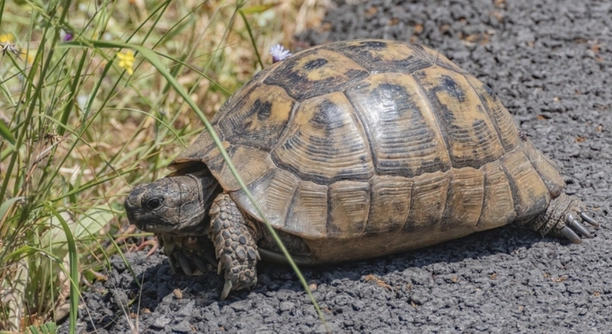
Greek tortoises rely on proper hydration to thrive, but they may struggle to drink enough water on their own. Hydration is crucial for their overall health, and providing the right foods can help.
Certain foods can significantly enhance hydration in Greek tortoises. Vegetables and fruits high in water content, such as cucumbers and leafy greens, provide essential moisture. These foods contribute to a tortoise’s hydration, especially in hot climates.
Including these foods in their diet can improve hydration levels, promoting a healthier, more active tortoise.
Cucumbers: A Refreshing Hydration Source
Cucumbers are an excellent choice for keeping Greek tortoises hydrated. They contain a high percentage of water, making them a perfect snack to add moisture to your tortoise’s diet. The cool, crisp texture makes them appealing to tortoises, and they are easy to digest. Cucumbers provide hydration without adding unnecessary calories, making them a great addition to their meals.
Adding cucumber to your tortoise’s diet helps maintain moisture levels, especially during hot weather. Slice it into manageable pieces to encourage your tortoise to eat.
Including cucumber regularly can help regulate hydration and keep your Greek tortoise healthy. It is essential to combine cucumber with other hydrating foods to ensure balanced nutrition and hydration. Avoid overfeeding it, as variety is key to meeting all their dietary needs. When offering cucumber, it’s important to ensure it is washed thoroughly to remove any pesticides that might harm your tortoise.
Leafy Greens: A Hydrating Superfood
Leafy greens like lettuce, kale, and collard greens are another great option. They are full of water and essential vitamins for your tortoise. These greens can be offered fresh and in a variety of combinations to keep meals interesting for your pet.
Watermelon: A Sweet Hydration Boost
Watermelon is another hydrating food that tortoises love. This fruit contains a high water content, making it ideal for hydration. It is sweet, refreshing, and easily consumed by tortoises. The juicy texture is a perfect treat, especially in the summer.
When offering watermelon, be sure to remove the seeds, as they can be a choking hazard. Cut the fruit into small pieces that are easy for your tortoise to eat. Watermelon can be fed in moderation, as it is high in sugar. Balancing it with other hydrating foods ensures your tortoise stays healthy.
Watermelon offers more than just hydration. It contains vitamins A and C, which support overall health and immune function. However, because of its sugar content, it’s important not to overfeed it. Too much watermelon can lead to digestive issues. As part of a balanced diet, watermelon provides a tasty way to keep your tortoise hydrated.
Bell Peppers: Full of Water and Nutrients
Bell peppers are an excellent source of hydration and nutrition. Packed with vitamins and water, they help support your tortoise’s immune system and skin health. The mild flavor makes them appealing to tortoises, and their bright colors can attract your pet.
Peppers are low in calories and high in vitamins A and C, which are important for your tortoise’s well-being. They are also a great source of fiber, which aids in digestion. Offering a variety of colors—red, green, yellow—adds diversity to your tortoise’s meals and enhances their nutritional intake.
Because bell peppers are rich in water, they contribute significantly to your tortoise’s hydration levels. Chop them into manageable pieces and feed them regularly. Just be mindful of portion sizes, as too many peppers can upset your tortoise’s digestion.
Zucchini: A Hydrating Vegetable
Zucchini is a great food choice for hydration. It’s made up mostly of water, making it an effective way to keep your tortoise hydrated. The soft texture is easy for them to chew, and it can be offered both raw or cooked.
Zucchini is not just hydrating but also low in calories. This makes it a good option for those looking to avoid overfeeding. When offering zucchini, cut it into small pieces to prevent choking. You can offer it alongside other veggies for a varied diet.
Strawberries: A Tasty Hydration Option
Strawberries are not only hydrating but also packed with vitamins. They’re a favorite among tortoises because of their sweet taste. The juicy fruit helps boost hydration and can be a tasty treat.
While strawberries provide hydration and some nutritional value, they are high in sugar. Moderation is key to prevent digestive issues. Simply cut the strawberries into bite-sized pieces and remove any leaves before feeding them to your tortoise.
FAQ
What is the best way to hydrate my Greek tortoise?
The best way to hydrate your Greek tortoise is by offering foods with high water content, like cucumbers, watermelon, and leafy greens. You can also provide a shallow dish of fresh water for them to drink from. Ensuring a variety of hydrating foods helps maintain proper hydration.
Can Greek tortoises drink water directly?
Yes, Greek tortoises can drink water directly. However, they might not always drink from a dish. Some tortoises prefer to absorb water through their food. Offering water daily in a shallow dish gives them the option to drink if needed, especially on warmer days.
How often should I feed my Greek tortoise hydrating foods?
Hydrating foods should be a part of your Greek tortoise’s diet every day. These foods can be included in their regular meals, offering variety and ensuring they get the moisture they need. It’s important to offer a balance of hydrating foods and other nutrients.
Is it safe to feed Greek tortoises fruit every day?
Fruit should be fed in moderation. While fruits like watermelon and strawberries are hydrating, they can be high in sugar, which may lead to digestive issues if overfed. Offering fruit once or twice a week is a safe practice to avoid overloading on sugar.
How do I know if my tortoise is dehydrated?
Signs of dehydration in a Greek tortoise include sunken eyes, dry skin, and lethargy. They may also refuse food or become more sluggish. If you notice these signs, increase the amount of hydrating foods and provide more water. It may be necessary to consult a veterinarian if dehydration persists.
Can I use a water fountain for my tortoise?
A water fountain can be used, but it’s essential to monitor your tortoise to ensure they are drinking from it. Some tortoises may be hesitant to drink from a moving water source. Always provide a shallow water dish as well, in case they prefer still water.
Can Greek tortoises drink from a soaking bath?
Yes, soaking your Greek tortoise in a shallow dish of lukewarm water can help with hydration. Soaking also promotes healthy digestion. However, it should not replace providing fresh water in a separate dish. Limit soaking time to 15-20 minutes to avoid stress.
What types of vegetables are best for hydration?
Vegetables like cucumbers, zucchini, and bell peppers are ideal for hydration due to their high water content. Leafy greens such as romaine lettuce and kale also contribute to hydration while providing essential vitamins and fiber. Rotate these vegetables to provide variety.
Can I give my tortoise too much watermelon?
Yes, giving too much watermelon can cause digestive upset due to its high sugar content. Offering it in small, controlled portions a few times a week is best. Moderation ensures that your tortoise enjoys the hydration benefits without negative side effects.
How can I tell if a vegetable is safe for my tortoise?
Research the vegetable before offering it to your tortoise. Some vegetables, like spinach, contain oxalates that can interfere with calcium absorption. Other vegetables may be too high in water or sugar and should be fed in moderation. Stick to foods that are commonly recommended for tortoises.
Should I worry about the sugar content in fruits for my tortoise?
Fruits are naturally higher in sugar, so they should be given sparingly. Greek tortoises can enjoy fruits like strawberries and watermelon, but they should only be offered occasionally. The majority of their diet should consist of leafy greens, vegetables, and low-sugar foods to maintain balance.
What happens if my tortoise doesn’t drink enough water?
If your tortoise isn’t drinking enough water, they may become dehydrated. This can lead to issues such as dry skin, sunken eyes, lethargy, and problems with digestion. Ensure your tortoise always has access to fresh water and include hydrating foods to support their hydration levels. If dehydration continues, consult a vet.
Is it safe to feed my tortoise iceberg lettuce for hydration?
Iceberg lettuce should be avoided due to its low nutritional value and high water content. While it may provide hydration, it lacks the vitamins and minerals that are essential for your tortoise’s health. Stick to more nutrient-rich leafy greens like romaine lettuce or dandelion greens.
Can I mix different hydrating foods together for my tortoise?
Yes, mixing different hydrating foods like cucumbers, bell peppers, and leafy greens is an excellent way to keep your tortoise’s diet varied and interesting. This also ensures they are getting a mix of water and essential nutrients. Just be mindful of portion sizes and avoid overfeeding any one item.
What if my tortoise refuses to drink water?
If your tortoise refuses to drink water, check for signs of illness. Offer hydrating foods with higher moisture content to help them stay hydrated. Try soaking your tortoise in a shallow dish of water for a short period to encourage drinking. If the issue persists, seek veterinary advice.
Are there any signs I should watch for after feeding hydrating foods?
After offering hydrating foods, observe your tortoise for signs of digestion issues such as bloating or diarrhea. If you notice changes in behavior or digestion, adjust the types or amounts of hydrating foods you’re offering. It’s essential to ensure a balanced diet for optimal health.
Final Thoughts
Maintaining proper hydration for your Greek tortoise is crucial to their overall health and well-being. While tortoises may not drink water as frequently as other pets, they rely heavily on the moisture found in the foods they eat. Offering a variety of hydrating foods, such as cucumbers, leafy greens, and fruits like watermelon, ensures they get the necessary hydration. It’s important to understand the balance between moisture-rich foods and other nutrients to keep your tortoise healthy and active.
While hydrating foods are a key component of your tortoise’s diet, don’t overlook the importance of a fresh water source. Providing a shallow dish of water allows your tortoise to drink when they need to. Regular soaking can also be beneficial, particularly if you notice signs of dehydration or lethargy. Remember that hydration is not only about the amount of water but also about the consistency in offering hydrating foods and water throughout the week.
Incorporating these practices into your tortoise’s daily routine will support their hydration needs and overall health. Keep in mind that moderation is important, especially when it comes to fruits, as they can be high in sugar. A well-rounded diet, with a mix of hydrating foods, is the best way to ensure that your tortoise remains healthy, hydrated, and thriving. If you notice any unusual behavior or signs of dehydration, don’t hesitate to consult a veterinarian for further advice.

Hello,
If you enjoy the content that we create, please consider saying a "Thank You!" by leaving a tip.
Every little bit helps us continue crafting quality advice that supports the health, happiness, and well-being of pets around the world, for pets of all shapes, sizes, and species.
We really appreciate the kindness and support that you show us!