
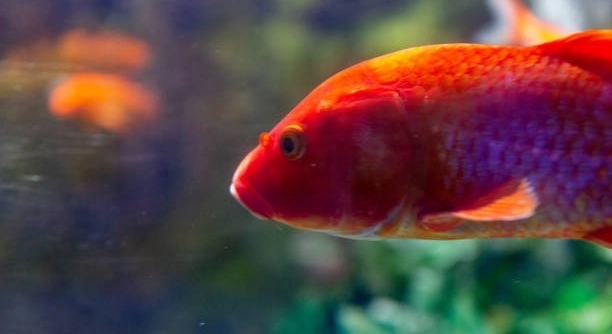
Female cichlids need proper nutrition to thrive and maintain good health. Feeding them the right foods supports their growth, color, and overall well-being. Choosing the best diet helps keep these fish active and reduces disease risks.
A balanced diet for female cichlids includes foods rich in protein, vitamins, and minerals. Incorporating a variety of live, frozen, and prepared foods ensures optimal health, supports reproductive functions, and enhances immune response. Proper nutrition is essential for their longevity.
Knowing which foods benefit female cichlids will improve your care routine. This guide highlights seven effective options to keep your fish healthy and vibrant.
High-Protein Foods for Growth
Protein is essential for female cichlids to develop strong muscles and maintain overall health. Foods such as brine shrimp, bloodworms, and daphnia provide a rich protein source that promotes growth and energy. Feeding high-protein foods regularly helps female cichlids recover after spawning and supports their immune systems. Offering a variety of protein options prevents dietary deficiencies and keeps their diet balanced. It is important to avoid overfeeding, as excess protein can lead to water quality issues. Incorporating protein-rich live or frozen foods mimics their natural diet and encourages natural feeding behaviors. Protein also plays a key role in maintaining vibrant colors, which is especially noticeable in female cichlids during breeding seasons. Including these foods two to three times a week alongside other diet components ensures your fish receive adequate nutrients without risking overnutrition.
Regular feeding of high-protein foods supports healthy growth and vibrant coloration in female cichlids. These foods keep their immune system strong.
Protein is vital for female cichlids’ development and health. High-protein foods like bloodworms and brine shrimp supply amino acids necessary for muscle repair and energy. These foods also enhance breeding performance by supporting egg production and vitality. Frozen or live protein options encourage natural feeding habits and reduce stress. It is best to balance protein sources with other nutrients to prevent digestive issues. Feeding too much protein at once can pollute the tank, so portion control is essential. Protein-rich diets help maintain bright colors and overall well-being, contributing to a longer lifespan. Rotating protein sources avoids monotony and nutritional gaps. Combining protein with vitamins and fiber from other foods ensures comprehensive nutrition. This approach promotes strong, healthy female cichlids that thrive in your aquarium environment.
Vegetables and Plant Matter
Vegetables provide essential fiber and nutrients that aid digestion and health in female cichlids. Including foods like spinach, zucchini, and peas offers vitamins and minerals that support their immune system and gut function. These plant-based foods help balance their diet and prevent constipation, which can occur with excessive protein feeding. Vegetables should be lightly cooked or blanched to soften them for easier consumption. Feeding small amounts of plant matter two to three times a week complements protein sources and enhances digestive health. Including plant foods encourages natural foraging behavior and adds variety to their diet. Using fresh, pesticide-free vegetables ensures no harmful chemicals enter the aquarium. Overall, vegetables contribute to the well-being and longevity of female cichlids by providing vital nutrients not found in animal-based foods.
Vegetables help maintain healthy digestion and immune function in female cichlids.
A diet that combines protein with vegetables ensures female cichlids receive fiber and essential nutrients needed for digestion and health. Vegetables like spinach and peas provide vitamins A and C, which boost immune response and skin condition. These foods reduce the risk of digestive issues common in fish fed mostly animal proteins. Blanching vegetables softens them, making them easier to eat and digest. Fresh, clean vegetables also encourage natural grazing behavior, keeping your fish active and engaged. Introducing plant matter in moderation balances their diet and prevents nutrient deficiencies. Vegetables contribute to healthier fish with brighter coloration and improved vitality. Incorporating them regularly enhances overall aquarium health and promotes longer lifespans. This balanced feeding approach supports all aspects of female cichlids’ nutritional needs effectively.
Frozen Foods
Frozen foods offer convenience and nutrition for female cichlids. They retain much of their original nutrients and are easy to store and use. Common frozen options include bloodworms, brine shrimp, and krill, which support growth and immune health effectively.
Frozen foods are a practical way to provide variety without sacrificing quality. They reduce the risk of introducing parasites or bacteria compared to live foods. Thawing before feeding prevents temperature shock and ensures your fish can easily consume the food. Feeding frozen options two to three times a week complements fresh and dry foods, keeping the diet balanced. These foods are rich in protein and essential nutrients needed for energy and repair, especially during breeding cycles. Including frozen foods helps maintain a healthy aquarium environment by reducing waste buildup.
Using frozen foods also allows better portion control, preventing overfeeding and water quality issues. They are easy to measure and can be given in small amounts as a treat or staple. This flexibility helps tailor feeding to the specific needs of female cichlids. Rotating frozen foods with live and prepared diets provides a complete nutrition profile that supports health and longevity.
Prepared Pellets and Flakes
Prepared pellets and flakes are designed to offer balanced nutrition for female cichlids. These foods contain proteins, vitamins, and minerals essential for their health. They provide a reliable daily food source with consistent quality and composition.
Pellets and flakes are convenient and widely available, making them a staple in many aquarium diets. High-quality brands include ingredients that support coloration, digestion, and immune function. These foods often have enhanced formulas tailored to cichlids’ dietary needs, such as added carotenoids for color vibrancy. They are easy to portion, reducing waste and maintaining water quality. Using pellets or flakes as the base diet allows for easy supplementation with live, frozen, or vegetable foods, providing a complete feeding strategy.
Choosing pellets or flakes with natural ingredients and minimal fillers benefits your fish’s health. It is important to select sizes appropriate for female cichlids to avoid swallowing difficulties. Feeding small amounts several times a day mimics natural grazing patterns and keeps fish active. Prepared foods also help maintain stable nutrition when fresh options are unavailable. This consistent diet foundation supports ongoing health and vitality in female cichlids.
Live Foods
Live foods stimulate natural hunting instincts in female cichlids. They provide fresh nutrients and encourage activity, which benefits overall health.
Common live foods include brine shrimp, blackworms, and mosquito larvae. These options are rich in protein and help maintain vibrant colors and energy levels. Feeding live foods occasionally adds variety and improves digestion.
Vitamin Supplements
Vitamin supplements can fill nutritional gaps in female cichlids’ diets. They support immune health, growth, and reproduction.
Supplements come in powder or liquid forms and can be added to prepared foods or water. Regular use enhances resistance to disease and improves vitality. Use supplements as directed to avoid overdosing.
Avoid Overfeeding
Overfeeding leads to poor water quality and health problems. Feeding only what female cichlids can eat within minutes prevents waste buildup.
Maintaining a proper feeding schedule keeps fish active and reduces stress. Monitor feeding habits to ensure balanced nutrition and a clean aquarium environment.
FAQ
What foods should I avoid feeding female cichlids?
Avoid feeding female cichlids processed human foods, bread, or anything oily. These can cause digestive problems and pollute the tank. Also, stay away from feeder fish that are not quarantined, as they may carry diseases. Avoid overfeeding any single type of food to maintain a balanced diet.
How often should I feed female cichlids?
Feeding female cichlids two to three times a day in small portions is ideal. This schedule matches their natural grazing behavior and prevents leftover food that can degrade water quality. Make sure each feeding lasts just a few minutes to avoid overfeeding.
Can female cichlids eat the same food as males?
Yes, female and male cichlids generally eat the same types of food. However, females often need a bit more protein during breeding periods to support egg development. Providing a varied diet with extra protein occasionally can help maintain their health.
Is it necessary to include live foods in their diet?
Live foods are not strictly necessary but highly beneficial. They offer stimulation through natural hunting behavior and are rich in nutrients. Including live foods once or twice a week boosts health and keeps female cichlids active and vibrant.
What are the signs of a poor diet in female cichlids?
Signs of poor diet include faded colors, lethargy, reduced appetite, and weak immune response. Digestive issues like bloating or constipation may also appear. If these symptoms occur, review and improve the feeding routine immediately.
Can I rely only on pellets or flakes?
While pellets or flakes provide balanced nutrition, relying solely on them may limit dietary variety. Supplementing with frozen, live, or vegetable foods ensures female cichlids get all necessary nutrients for optimal health and coloration.
How do I prepare vegetables for female cichlids?
Vegetables like peas, zucchini, or spinach should be blanched lightly to soften them. Remove skins if tough, and cut into small, manageable pieces. Feed in small amounts two to three times per week to add fiber and vitamins to their diet.
What should I do if my female cichlid refuses to eat?
If a female cichlid refuses food, check water conditions first, as poor water quality often reduces appetite. Try offering different foods like live or frozen options to entice eating. Avoid sudden diet changes and feed smaller portions more frequently.
Are supplements necessary for female cichlids?
Supplements can help fill nutrient gaps, especially vitamins and minerals that might be lacking in prepared foods. Use them sparingly and follow instructions carefully to avoid overdosing. Supplements are most useful during breeding or recovery from illness.
How can I prevent overfeeding?
Feed only what your female cichlids can consume in 2-3 minutes per feeding. Use a small amount of food and observe their eating habits. Remove any uneaten food promptly to maintain water quality and prevent health problems.
Is it okay to mix different food types in one feeding?
Yes, mixing different food types like pellets, frozen, and vegetables in one feeding can provide balanced nutrition. However, avoid overfeeding by keeping portions small. Mixing foods also keeps feeding interesting and encourages natural foraging behavior.
What role does protein play in the female cichlid’s diet?
Protein is essential for muscle growth, reproduction, and energy. Female cichlids need high-quality protein sources like bloodworms, brine shrimp, or daphnia. Proper protein intake supports vibrant colors and helps fish recover after spawning.
How important is variety in their diet?
Variety prevents nutritional deficiencies and boredom. Offering different food types ensures female cichlids get a full range of nutrients. Rotating live, frozen, prepared, and plant-based foods promotes overall health and keeps fish interested during feeding times.
Female cichlids benefit greatly from a well-balanced diet that includes a mix of protein, vegetables, frozen foods, and prepared pellets or flakes. Providing a variety of foods ensures they receive all the necessary nutrients to stay healthy and active. Protein-rich options like bloodworms and brine shrimp support muscle growth and immune function, while vegetables offer essential fiber and vitamins that help digestion and overall wellness. Including frozen and live foods adds natural nutrients and stimulates natural feeding behaviors, which keeps the fish engaged and healthy.
Feeding habits also play an important role in maintaining the health of female cichlids. It is best to feed small portions multiple times a day, which mimics their natural grazing habits and reduces the risk of overfeeding. Overfeeding can cause water quality issues, which negatively affect fish health. Monitoring how much your fish eat and removing any leftover food promptly helps keep the aquarium clean. Consistency in feeding schedules and providing a balanced diet help female cichlids maintain vibrant colors, good energy levels, and strong immune systems.
Overall, taking time to choose the right foods and feeding routines makes a significant difference in the well-being of female cichlids. Avoiding foods that are harmful or low in nutrition prevents health problems and keeps your aquarium environment stable. Supplementing their diet with vitamins when necessary can also support their immune system and reproductive health. A careful and thoughtful approach to feeding supports the long-term happiness and vitality of female cichlids in your care.

Hello,
If you enjoy the content that we create, please consider saying a "Thank You!" by leaving a tip.
Every little bit helps us continue crafting quality advice that supports the health, happiness, and well-being of pets around the world, for pets of all shapes, sizes, and species.
We really appreciate the kindness and support that you show us!