
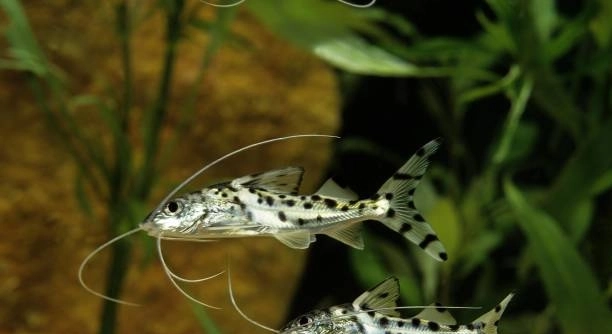
Many aquarium enthusiasts enjoy keeping Pictus catfish for their unique patterns and lively behavior. These fish are known for their attractive spots and stripes that can brighten any tank. Proper care helps maintain their natural beauty over time.
Certain foods contain pigments and nutrients that enhance the coloration of Pictus catfish. A diet rich in carotenoids, vitamins, and proteins supports the brightness and contrast of their patterns. Feeding these specific foods regularly promotes healthier, more vivid markings.
Understanding which foods best support your catfish’s patterns can improve their appearance and overall well-being. This article highlights seven key foods to include in their diet for optimal color enhancement.
Astaxanthin-Rich Foods
Astaxanthin is a powerful pigment that naturally enhances red and orange hues in many aquatic animals, including Pictus catfish. Foods like shrimp, krill, and certain algae are excellent sources of astaxanthin. Including these in your catfish’s diet helps deepen their colors, especially the reddish spots and stripes. Regular feeding with astaxanthin-rich items improves their overall vibrancy and may also contribute to better health due to its antioxidant properties. While fresh options might be challenging to source, many quality commercial fish foods now include synthetic or natural astaxanthin supplements. This pigment is fat-soluble, so feeding foods with healthy oils helps your catfish absorb it better.
In addition to color enhancement, astaxanthin supports immune function, making your catfish stronger and more resistant to disease.
Adding astaxanthin-rich foods in moderation ensures your Pictus catfish’s colors stay bright without upsetting their digestion.
High-Protein Diets
Pictus catfish require a high-protein diet to maintain their energy and promote healthy growth. Proteins are essential for tissue repair and pigment production, which directly affects how bright and defined their patterns appear. High-quality protein sources such as bloodworms, brine shrimp, and specially formulated pellets provide the necessary amino acids. These foods support muscle development and vibrant skin coloration. Avoid low-quality fillers, as they offer little nutritional benefit and may dull colors over time. Consistent feeding of protein-rich food maintains the catfish’s overall health and appearance.
Balancing protein intake with other nutrients helps your catfish thrive and retain its striking patterns for longer. Including live or frozen options can add variety and keep your catfish interested in mealtime. Proper feeding habits reduce stress, which also plays a role in maintaining vivid coloration.
Carotenoid Supplements
Carotenoids are natural pigments that boost the yellow, orange, and red colors in Pictus catfish. These supplements help maintain vibrant patterns.
Carotenoid supplements often come in powdered or liquid forms and can be added to regular fish food. They increase color intensity by supporting pigment cells in the skin. Many commercial fish foods are fortified with carotenoids to improve coloration. Using these supplements regularly helps prevent fading, especially in tanks with low natural light. However, it’s important to follow dosage instructions to avoid over-supplementing, which can cause health problems.
Incorporating carotenoid supplements with a balanced diet ensures your catfish’s patterns remain clear and bright. They work best alongside fresh or frozen foods rich in natural pigments.
Spirulina Powder
Spirulina is a blue-green algae rich in protein, vitamins, and natural pigments that enhance fish coloration. It’s commonly added to fish diets to improve health and brightness.
Spirulina powder can be mixed into homemade fish food or sprinkled over pellets. It provides antioxidants and boosts the immune system, supporting overall fish vitality. The natural pigments in spirulina, such as phycocyanin, help intensify colors, making patterns on Pictus catfish more noticeable. Besides color enhancement, it aids digestion and promotes steady growth. Using spirulina consistently results in healthier, more vibrant fish without causing stress or dietary imbalance. It’s a simple, effective way to improve both color and well-being in your tank.
Omega-3 Fatty Acids
Omega-3 fatty acids improve the shine and brightness of Pictus catfish scales. These fats also support brain and heart health in fish.
Foods like fish oil, flaxseed, and certain commercial pellets provide omega-3s. Regular inclusion helps keep your catfish healthy and their patterns more vivid over time.
Vitamin C
Vitamin C strengthens the immune system and aids in color retention. It helps fish recover from stress and illness, which can dull their patterns.
Including vitamin C-rich foods like leafy greens or fortified pellets supports long-term color vibrancy. Consistent intake ensures your catfish stay bright and healthy.
Beetroot Powder
Beetroot powder is a natural source of betalains, pigments that can enhance red and purple hues. It is sometimes added to fish food to enrich coloration.
Its antioxidant properties support overall fish health, contributing to stronger, brighter patterns on Pictus catfish.
What foods help brighten Pictus catfish patterns?
Pictus catfish benefit from foods rich in natural pigments like astaxanthin, carotenoids, and spirulina. High-protein items such as bloodworms and brine shrimp support healthy growth and vivid coloration. Supplements like beetroot powder and omega-3 fatty acids can also enhance brightness. Feeding a variety of these foods regularly helps maintain the sharpness and contrast of their unique patterns.
How often should I feed pigment-enhancing foods to my Pictus catfish?
It’s best to offer pigment-rich foods about three to four times per week. Overfeeding these can cause digestive issues or nutrient imbalance. On other days, provide a balanced diet with regular pellets or flakes. This mix ensures your catfish get enough nutrients without overloading any one type, keeping their colors bright and their health stable.
Can commercial fish foods improve my catfish’s color?
Yes, many high-quality commercial foods contain added pigments like astaxanthin and carotenoids. Look for brands that specify color enhancement on the packaging. These foods are convenient and help maintain consistent nutrient intake. However, supplementing with fresh or frozen natural foods can boost effects and keep your catfish interested in their diet.
Are natural foods better than supplements for color enhancement?
Natural foods provide a wide range of nutrients beyond pigments, promoting overall health. They are often more easily digested and absorbed. Supplements can be useful but should not replace whole foods completely. A balanced approach with natural foods plus targeted supplements usually works best to brighten patterns without risking health issues.
Can diet alone guarantee bright patterns in Pictus catfish?
Diet plays a major role but is not the only factor. Water quality, tank lighting, and stress levels also affect coloration. Poor water conditions or high stress can dull colors regardless of diet. Maintaining a clean tank and a calm environment along with proper feeding is essential for the best appearance.
Is there any risk of overfeeding pigment-rich foods?
Yes, overfeeding can cause digestive problems and nutrient imbalances. Some pigments in high doses may stress the fish or lead to fatty buildup. Always follow recommended amounts and monitor your fish’s behavior and health. Adjust feeding if you notice any changes in appetite, activity, or color quality.
How long does it take to see color improvement after changing the diet?
Color changes usually become noticeable within a few weeks of introducing pigment-rich foods. Consistent feeding over at least one month helps strengthen and brighten patterns. However, gradual improvements are normal, and sudden changes may indicate other health issues or environmental factors.
Can Pictus catfish eat vegetables for color enhancement?
Yes, some vegetables like spinach or kale contain vitamins that support skin health and pigmentation. However, catfish prefer protein-rich diets, so vegetables should be a small supplement rather than a main food source. Blanched and finely chopped vegetables can be offered occasionally to add variety and nutrients.
Are live foods better for boosting coloration?
Live foods like bloodworms and brine shrimp are excellent sources of protein and natural pigments. They encourage natural hunting behaviors and provide freshness that can improve appetite and color vibrancy. Feeding live foods a few times a week is beneficial but should be balanced with other diet components.
Should I avoid certain foods to protect my catfish’s colors?
Avoid over-reliance on low-quality flakes or pellets lacking pigment enhancement. Also, limit foods with artificial dyes, as they don’t provide real nutritional value and can harm fish health. Avoid overfeeding starchy or plant-heavy diets that don’t support pigmentation well. Focus on high-quality, nutrient-rich foods for best results.
Maintaining bright and healthy patterns on your Pictus catfish requires attention to their diet and overall care. The foods you provide play a key role in enhancing their natural colors. Including items rich in pigments like astaxanthin, carotenoids, and spirulina helps bring out the vivid reds, oranges, and yellows in their patterns. Protein-rich foods also support their growth and skin health, which are important for keeping their markings sharp and clear. A balanced diet with a mix of natural and supplemented foods will give your catfish the nutrients they need to look their best.
It is important to remember that diet is just one part of the picture. Water quality, tank conditions, and reducing stress are equally vital. Even with the best food, poor water quality or stressful environments can dull the colors of your catfish. Regular water changes, proper filtration, and keeping the tank clean support the health and vibrancy of your fish. Creating a calm and stable environment reduces stress, which in turn helps maintain their bright patterns. When these factors work together, your Pictus catfish will show off their beautiful markings much more clearly.
Feeding pigment-enhancing foods regularly, but in moderation, is the best approach. Overfeeding can lead to digestive problems or nutrient imbalances that harm your fish’s health and appearance. It’s helpful to vary their diet with fresh, frozen, and commercial foods to provide a wide range of nutrients. Watching how your fish respond to different foods will help you find the right balance. With time and care, your Pictus catfish can display stronger, more vibrant patterns that make your aquarium a more attractive and lively place.

Hello,
If you enjoy the content that we create, please consider saying a "Thank You!" by leaving a tip.
Every little bit helps us continue crafting quality advice that supports the health, happiness, and well-being of pets around the world, for pets of all shapes, sizes, and species.
We really appreciate the kindness and support that you show us!