
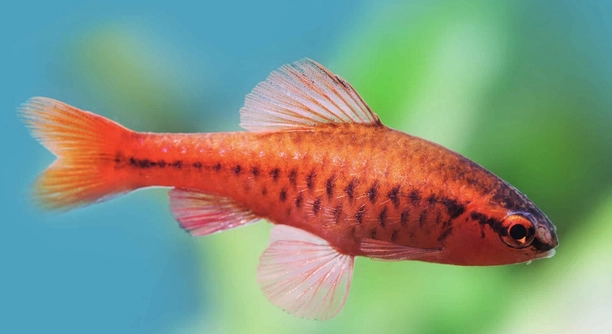
Cherry barbs are popular fish among aquarium enthusiasts, known for their vibrant colors and peaceful nature. To keep them healthy, it’s important to provide them with the right diet. Certain foods, however, may not be suitable for these delicate fish.
Cherry barbs should avoid foods that are high in fats, sugar, or overly processed. These can lead to digestive issues, obesity, and poor water quality in your tank. Fresh, varied foods like vegetables and small amounts of protein are best.
Maintaining a balanced diet for your cherry barbs is essential for their health. Knowing what to avoid ensures they thrive and live long, happy lives in your aquarium.
High-Fat Foods and Overfeeding
Feeding cherry barbs foods that are high in fats can lead to serious health issues, including obesity. These fish have small, delicate bodies, and extra fat can cause strain on their organs. Over time, this may lead to liver problems or heart issues, affecting their overall well-being.
In addition to health issues, high-fat foods contribute to poor water quality in the tank. When fish don’t digest food properly, leftover fatty particles break down and pollute the water. This can lead to an increase in harmful bacteria and make your tank harder to maintain.
To prevent these problems, stick to foods that are lower in fat. Offer a balanced mix of vegetables, high-quality flakes, and occasional protein sources like brine shrimp. A varied diet will provide them with the nutrients they need without the risk of overfeeding. Moderation is key when it comes to their meals, ensuring they stay active and healthy.
Processed Foods and Artificial Additives
Processed fish food often contains artificial colors, preservatives, and other additives. These ingredients are not ideal for cherry barbs, as they can cause digestive problems.
Over time, artificial ingredients can accumulate in your fish’s system, affecting their health. Stick to natural, high-quality food for a more balanced and healthy diet.
High-Sugar Foods
Cherry barbs, like many fish, don’t handle sugar well. Sugary foods can cause spikes in their blood sugar levels, leading to stress and other complications. While sweet foods might seem like a treat, they disrupt their natural diet and can cause long-term health problems.
Feeding sugary treats regularly can weaken their immune system, making them more vulnerable to disease. Excess sugar can also negatively affect their behavior, making them lethargic or overly aggressive. The imbalance can impact their digestion and cause water quality issues as their waste increases.
To keep your cherry barbs healthy, avoid sugary snacks and stick with foods that provide necessary vitamins and minerals. Focus on quality flakes, algae, and vegetables, which will give them the nutrients they need without harmful additives. Proper feeding will prevent sugar-related health concerns.
Live Foods From Unreliable Sources
While live foods are a natural part of a cherry barb’s diet, sourcing them from unreliable places can be risky. Live foods like worms or insects can carry parasites or diseases that may harm your fish.
It’s essential to ensure that live food is clean and free from contaminants before feeding it to your cherry barbs. Always buy from trusted vendors and avoid catching them from the wild, as they can carry harmful bacteria or parasites that could quickly spread in your aquarium. If live food is not handled properly, it can introduce pathogens into the tank, which may affect all of your fish.
A safe option is to culture your own live foods at home or purchase them from reputable suppliers. This reduces the risk of introducing harmful diseases to your tank and ensures your fish get the right nutrition.
Raw or Undercooked Foods
Feeding raw or undercooked foods to your cherry barbs can pose significant health risks. These types of food can contain harmful bacteria or parasites that can affect your fish. This increases the chances of diseases and infections spreading quickly in your aquarium.
Raw food can also be difficult for your cherry barbs to digest, leading to bloating and poor health. Undercooked food doesn’t always provide the nutrients they need, and it can cause issues with their digestive system. It’s safer to offer cooked or properly prepared foods to avoid these potential problems.
Processed Meats
Processed meats such as deli meats or sausages should never be fed to cherry barbs. These foods are too high in salt, preservatives, and artificial additives, all of which can harm your fish.
These meats can lead to kidney problems, dehydration, and stress for your cherry barbs. The added salt in processed meats can disrupt their electrolyte balance, resulting in serious health issues.
FAQ
What foods are best for cherry barbs?
Cherry barbs thrive on a varied diet that includes high-quality fish flakes, vegetables, and occasional live or frozen foods like brine shrimp. Vegetables like spinach, zucchini, and peas are great for them. They need a balanced diet with a mix of proteins, greens, and other essential nutrients. Offering a mix ensures they get everything they need to stay healthy and vibrant. You can also occasionally feed them daphnia or bloodworms for added variety.
Can cherry barbs eat human food?
While cherry barbs may nibble on some human foods, they should not be fed these regularly. Some human foods are simply too rich in salt, sugar, or fat for their digestive systems. Avoid feeding them processed meats, dairy, or anything high in sugar. However, some vegetables that humans eat, such as cucumbers, peas, or leafy greens, can be offered in moderation.
Is it okay to feed cherry barbs only pellets?
Feeding only pellets is not ideal. While good-quality pellets can provide essential nutrients, cherry barbs need variety in their diet. A lack of variety can lead to nutritional deficiencies over time. It’s best to mix pellets with fresh or frozen foods like vegetables and live foods to ensure they get all the nutrients they need.
How often should cherry barbs be fed?
Cherry barbs should be fed once or twice a day, but the amount should be small enough for them to eat in about 2-3 minutes. Overfeeding can lead to water quality issues and health problems, so it’s important to monitor how much they’re consuming. A healthy diet should consist of small portions, keeping their tank clean and water quality high.
Can cherry barbs eat algae?
Yes, cherry barbs can eat algae, and it’s actually beneficial for them. Algae can serve as a natural food source, especially in planted tanks. It offers fiber and other nutrients that contribute to their health. However, they shouldn’t rely solely on algae, as it may not provide all the necessary nutrients. It’s always a good idea to supplement algae with other foods for variety.
Are cherry barbs picky eaters?
Cherry barbs aren’t particularly picky eaters, but they do prefer variety. They will usually accept most foods, from high-quality flakes to frozen foods like brine shrimp or daphnia. However, it’s important to offer them nutritious foods and avoid those that could harm their health. If they don’t eat something, it’s usually because it’s not to their taste or isn’t right for them.
How can I tell if my cherry barbs are overfed?
Overfeeding is a common issue, and you may notice your cherry barbs becoming lethargic or gaining excess weight if they’re eating too much. Their bellies may appear bloated or full. Additionally, leftover food in the tank can degrade water quality, which could cause stress or health issues. If you notice these signs, cut back on feeding and maintain a regular schedule.
Can cherry barbs eat frozen food?
Yes, cherry barbs can eat frozen food, and it’s often a great addition to their diet. Frozen foods like bloodworms, brine shrimp, and daphnia are excellent for providing protein. Just ensure the food is thawed before offering it to your fish, and always buy from a reputable source to ensure the food is safe and free of contaminants.
What should I do if my cherry barbs aren’t eating?
If your cherry barbs aren’t eating, there could be several reasons. Check if the water conditions are optimal, as poor water quality can cause stress, making them lose their appetite. Also, ensure they aren’t being bullied by other tank mates, as stress from aggressive fish can cause them to stop eating. Try offering a variety of foods to see if they prefer something different. If the issue persists, consult a veterinarian to rule out any health problems.
Can cherry barbs eat live plants?
While cherry barbs are generally peaceful and won’t destroy plants, they may nibble on certain plants if they’re not getting enough food. However, they won’t usually eat your plants entirely. If you’re growing plants in their tank, make sure they’re well-fed with enough protein and greens to prevent them from turning to plants for extra nutrition.
Final Thoughts
Taking care of cherry barbs means understanding their dietary needs and providing them with a balanced, varied diet. It’s important to remember that while they are not very picky eaters, they still require specific nutrients to thrive. By offering a mix of high-quality flakes, vegetables, and occasional live or frozen foods, you can ensure they stay healthy and vibrant. Keeping their diet varied helps prevent nutritional deficiencies and promotes a healthy, active life. Avoiding foods that are high in fats, sugars, or artificial additives will also reduce the risk of health problems and improve their overall well-being.
In addition to a balanced diet, maintaining a clean tank is key. Uneaten food can quickly deteriorate and affect water quality, which in turn can stress your fish. Regular water changes and removing excess food will help maintain good water conditions. Healthy water, along with proper nutrition, is essential for keeping your cherry barbs in the best shape possible. Pay attention to their behavior and appetite, as changes could indicate a health issue or problems with the tank environment.
Remember, cherry barbs are small fish, but they are active and full of life when cared for properly. By offering them the right foods and maintaining a clean tank, you’re giving them the best chance for a long and healthy life. Keep an eye on their feeding habits and water quality, and make adjustments as needed. With the right care, your cherry barbs can thrive and bring beauty to your aquarium for years to come.

Hello,
If you enjoy the content that we create, please consider saying a "Thank You!" by leaving a tip.
Every little bit helps us continue crafting quality advice that supports the health, happiness, and well-being of pets around the world, for pets of all shapes, sizes, and species.
We really appreciate the kindness and support that you show us!