
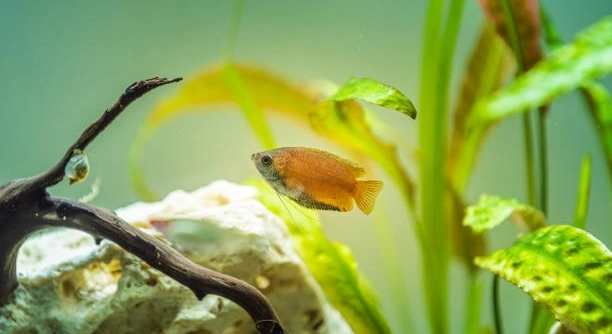
Gouramis are popular aquarium fish that many people enjoy keeping. Their care includes feeding the right foods to keep them healthy and active. Sometimes, certain foods can cause them to bloat, which is uncomfortable for the fish.
Several foods commonly fed to gouramis can lead to bloating. These include high-protein pellets, frozen bloodworms, brine shrimp, daphnia, certain vegetables like peas, overfeeding flakes, and foods high in fiber. Each can disrupt digestion and cause swelling.
Knowing which foods cause bloating helps prevent discomfort and health issues in your gourami. This guide will share important details to keep your fish thriving and comfortable in their tank.
High-Protein Pellets
High-protein pellets are popular among gourami keepers because they promote growth and vibrant colors. However, feeding too many pellets or pellets with excessively high protein content can cause bloating. Gouramis have sensitive digestive systems, and when they receive more protein than they can digest, it leads to gas buildup and swelling. Overfeeding these pellets also results in uneaten food, which can pollute the tank and harm your fish’s health. To avoid bloating, it’s best to feed pellets in moderation and choose ones with balanced nutritional content designed specifically for gouramis. Monitoring your fish’s reaction to different pellets helps find the right option. Feeding small amounts multiple times a day rather than a large portion at once supports better digestion.
High-protein pellets must be carefully portioned to prevent digestive issues. Feeding in excess often causes bloating and discomfort for your gourami.
Selecting balanced pellets and controlling portion sizes keeps your gourami healthy and reduces bloating risk. Regular observation ensures you catch any early signs of digestive distress.
Frozen Bloodworms and Brine Shrimp
Frozen bloodworms and brine shrimp are common treats but can sometimes cause bloating if fed in large amounts. These foods are rich in protein but lack fiber, which is important for proper digestion in gouramis. Without enough fiber, the digestive tract slows down, leading to gas and swelling. Additionally, feeding too many frozen treats can upset the balance of their diet, which should mostly consist of staple pellets and occasional vegetables. Offering these frozen foods as an occasional snack in small quantities is the safest approach. Thaw them properly before feeding to avoid any digestive shock. Maintaining variety while prioritizing balanced nutrition helps your gourami stay healthy and avoid bloating problems caused by improper feeding.
Daphnia
Daphnia are often given to gouramis as a natural food source. However, feeding too many can lead to bloating. Their shells and high fiber content can cause digestive blockages if not balanced properly.
Daphnia contain chitin, a tough material that can be hard for gouramis to digest in large amounts. This can slow digestion and trap gas, causing bloating. Feeding daphnia sparingly and alongside other softer foods helps avoid this issue. If bloating occurs, reducing daphnia intake usually improves the fish’s condition. It’s important to rinse daphnia well before feeding to remove any contaminants or debris. A diet balanced with pellets and vegetables alongside occasional daphnia supports healthy digestion and reduces swelling risks.
Many gourami owners find daphnia beneficial but treat it like a supplement, not a staple. Overfeeding risks digestive discomfort, so moderation is key for happy fish.
Certain Vegetables Like Peas
Peas are a common remedy for bloated gouramis, but they can also cause issues if fed too often or without preparation. The skin of peas is tough and hard to digest. If not peeled, it can block the digestive tract and contribute to swelling.
To safely feed peas, always remove the outer skin and cook them lightly before offering to your gourami. This makes the peas softer and easier to digest. Feeding small amounts occasionally is best. Overfeeding peas or other fibrous vegetables can overwhelm the digestive system and worsen bloating. Balance is essential—vegetables add fiber but should not replace the main diet of pellets. Observing how your fish reacts after feeding peas can help you decide the right frequency and amount to prevent digestive problems.
Overfeeding Flakes
Overfeeding flakes is a common cause of bloating in gouramis. Flakes expand in the stomach and can cause gas buildup if too much is eaten at once.
Flakes often lack fiber and can sit in the digestive system longer, increasing the chance of bloating. Feeding small amounts and removing leftovers helps maintain good digestion and water quality.
Foods High in Fiber
Foods high in fiber can help digestion but may cause bloating if given in excess. Too much fiber slows digestion and traps gas in gouramis. Balance fiber intake with protein-rich foods to avoid digestive upset.
Monitoring Your Gourami’s Diet
Watch how your gourami reacts to different foods and adjust feeding accordingly. Consistent bloating signs mean it’s time to change the diet or feeding habits to keep your fish healthy.
FAQ
What are the main signs of bloating in gouramis?
Bloating in gouramis usually shows as a swollen or rounded belly that looks larger than normal. The fish may also swim awkwardly, float sideways, or stay near the surface more often. Sometimes, they stop eating or become less active. Watching these signs early helps you act quickly to improve their health.
How can I prevent bloating caused by diet?
Feed your gourami a balanced diet with moderate portions. Avoid overfeeding and limit foods high in protein or fiber that can cause gas. Use high-quality pellets as the main food and offer frozen or live treats only occasionally. Always remove uneaten food after feeding to keep the tank clean and prevent digestive problems.
Can bloating be treated at home?
Yes, mild bloating can be helped by adjusting the diet. Fasting your gourami for a day or two helps clear the digestive system. Offering peeled, cooked peas can relieve constipation and reduce swelling. If bloating continues or worsens, consult a vet for proper diagnosis and treatment.
Is overfeeding the only cause of bloating?
No, overfeeding is a major cause but not the only one. Feeding the wrong types of food or poor-quality pellets can also cause bloating. Sometimes, water quality issues or infections lead to swelling. It’s important to keep the tank clean and maintain a varied diet to avoid these problems.
Are frozen foods safe for gouramis?
Frozen foods like bloodworms or brine shrimp are safe if fed in moderation. They provide protein but should not replace pellets or vegetables. Overfeeding frozen foods can upset digestion and cause bloating, so use them as occasional treats rather than daily meals.
Why do peas help with bloating?
Peas are high in fiber and act as a natural laxative for gouramis. Feeding peeled and cooked peas softens stool and helps move blockages through the digestive tract. This relieves pressure and reduces bloating. However, peas should only be fed occasionally and never in excess.
How often should I feed my gourami?
Feed your gourami small amounts two to three times a day. This prevents overeating and improves digestion. Large meals at once can cause bloating. Keeping a regular feeding schedule helps your fish stay healthy and avoids digestive stress.
What should I do if my gourami is bloated but still eating?
If your gourami shows signs of bloating but continues to eat, reduce food portions and switch to easily digestible foods like pellets and cooked peas. Monitor closely for changes in behavior or appetite. If bloating persists or worsens, seek advice from an aquatic vet.
Can water quality affect bloating?
Yes, poor water quality can stress your gourami and affect its digestion. Ammonia, nitrite, or nitrate levels that are too high can weaken their immune system and cause bloating or other illnesses. Regular water testing and changes keep your tank environment safe and healthy.
Is it normal for gouramis to bloat occasionally?
Occasional minor bloating can happen but should not be common. Regular bloating means diet or care adjustments are needed. Consistent care and balanced feeding will reduce bloating risk and support your gourami’s overall wellbeing.
Taking good care of gouramis means paying close attention to their diet. Bloating is a common issue that many gourami keepers face, but it can usually be prevented with the right feeding habits. Giving your fish balanced meals, avoiding overfeeding, and choosing foods that are easy to digest will help keep them healthy and comfortable. It is important to remember that not all foods are good for gouramis, and some popular options may cause digestive problems if fed too often or in large amounts. By knowing which foods can lead to bloating, you can avoid common mistakes and provide the best care for your fish.
Observing your gourami regularly will help you spot any signs of bloating early on. When you notice swelling, changes in swimming behavior, or reduced appetite, adjusting the diet quickly can often make a difference. Using natural remedies like peeled peas or fasting your fish for a short time can help relieve minor bloating. However, if these steps do not improve the condition, it may be necessary to consult an expert for further advice. Keeping the tank clean and maintaining good water quality also plays a key role in preventing health issues that can contribute to bloating.
Overall, managing bloating in gouramis is about balance and attention. Providing a diet mainly made up of high-quality pellets, along with occasional treats and vegetables, ensures your fish gets the nutrients they need without overloading their digestive system. Small, frequent feedings are better than large meals at once. Regularly checking the tank’s condition and your fish’s behavior helps catch problems before they become serious. Taking these simple steps supports the long-term health and happiness of your gourami, making your aquarium a better place for them to thrive.

Hello,
If you enjoy the content that we create, please consider saying a "Thank You!" by leaving a tip.
Every little bit helps us continue crafting quality advice that supports the health, happiness, and well-being of pets around the world, for pets of all shapes, sizes, and species.
We really appreciate the kindness and support that you show us!