
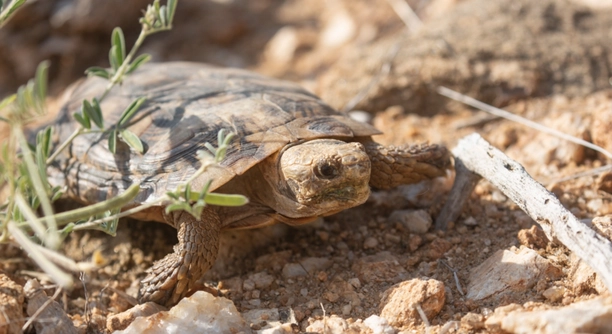
Pancake tortoises are known for their unique appearance and gentle nature. Like other pets, they can fall ill and require special care to recover. A proper diet can make a significant difference in their health and recovery.
Certain foods can provide vital nutrients to help your pancake tortoise regain strength during illness. Vegetables, fruits, and other food options can support their immune system, promote healing, and encourage better digestion, essential for their recovery.
By choosing the right foods, you can help your pancake tortoise regain its energy and health. In the following sections, we’ll discuss seven foods that will aid in their recovery and help them feel better.
Leafy Greens
Leafy greens are a great option for helping your pancake tortoise recover. Dark, leafy vegetables like collard greens, kale, and dandelion greens provide important vitamins and minerals that support the immune system. These vegetables also contain fiber, which aids digestion and helps maintain a healthy gut. For a pancake tortoise that is ill, providing these greens ensures they get enough nutrients to stay strong.
These greens are high in calcium, which is essential for bone health and recovery. They can be offered fresh or slightly wilted to make them easier to consume.
When feeding leafy greens to your pancake tortoise, be mindful of the quantity. Too much of any one vegetable can upset the balance of their diet. Offering a variety of greens daily helps ensure they get the broad spectrum of nutrients they need. This helps boost their recovery time and energy levels.
Carrots
Carrots are another nutritious food that can benefit your pancake tortoise while they recover. Rich in beta-carotene and vitamin A, carrots help support eye health, immune function, and overall well-being.
While carrots are beneficial, it’s best to serve them in moderation. Cutting them into small pieces or grating them can make them easier for your tortoise to eat. A small amount of grated carrot mixed with other vegetables will make a nutritious addition to their diet.
Squash
Squash, especially butternut and zucchini, are excellent options for pancake tortoises in recovery. They are soft, easy to digest, and packed with vitamins and minerals that can help your tortoise heal.
The high water content in squash also helps with hydration, which is essential when your tortoise is unwell. Be sure to remove the seeds to make it easier for your tortoise to eat and to avoid any potential choking hazards.
Squash can be served raw or lightly steamed, depending on your tortoise’s preference. Its mild taste makes it a great base to mix with other foods like leafy greens and carrots. This vegetable supports digestion and helps your tortoise feel better.
Berries
Berries such as strawberries, blueberries, and raspberries offer a great source of antioxidants. These antioxidants can help reduce inflammation and support the immune system, making them ideal during recovery.
Berries are also high in vitamins C and E, which help your tortoise’s body repair itself. Be sure to serve them in small, manageable pieces to avoid any difficulty eating. While fruits should not make up the majority of their diet, berries can be offered occasionally as a healthy treat.
These small fruits are low in sugar, so they won’t upset your tortoise’s digestive system when offered in moderation. A small bowl of mixed berries is a tasty way to give them a boost.
Cactus Pads
Cactus pads are highly hydrating and rich in fiber, which is great for helping your pancake tortoise recover. These pads are gentle on their stomach and can be easily digested.
You can offer cactus pads both raw and peeled, making them safe and easy for your tortoise to consume. Their mild flavor can be a good addition to other foods.
Papaya
Papaya is packed with enzymes that help with digestion, making it beneficial for a tortoise in recovery. It also contains vitamins A and C, which support immune function and overall health.
Cut the papaya into small, manageable pieces for your tortoise to easily eat. Make sure the seeds are removed before feeding it to them.
Sweet Potato
Sweet potato is a nutrient-dense food that provides your tortoise with essential vitamins and fiber. It helps with energy levels and digestive health, making it an excellent choice for recovery.
Cooked sweet potato is easier for a tortoise to digest and can be mashed or cut into small cubes. This food provides both hydration and nourishment to support their recovery process.
FAQ
What foods should I avoid feeding my pancake tortoise while it’s recovering?
While it’s important to focus on healthy, nutritious foods during recovery, there are some foods to avoid. Steer clear of high-fat or sugary foods, such as processed fruits, nuts, or lettuce with low nutritional value. These can upset their digestive system and hinder recovery. Avoid feeding them anything too high in oxalates, like spinach, as it can interfere with calcium absorption. Stick to safe, hydrating, and fiber-rich foods like the ones mentioned earlier.
How often should I feed my pancake tortoise during recovery?
The frequency of feeding can depend on your tortoise’s specific condition. Generally, you can offer food once or twice a day, ensuring that it’s fresh and clean. It’s important not to overfeed them, as too much food can lead to digestion issues. Offer smaller, manageable portions to avoid overwhelming their stomach and monitor their eating habits. If they show a decreased appetite, offer food in smaller, more frequent meals.
Can I feed my pancake tortoise fruits every day?
Fruits can be a great treat, but they should be given in moderation. While fruits like berries and papaya provide essential vitamins, too much sugar can upset the balance of their diet and cause digestive problems. Limit fruit to 2-3 times a week as a supplement to a mainly vegetable-based diet. Always remove any seeds, as they may pose a choking hazard.
Should I be concerned if my pancake tortoise is eating less during recovery?
It’s common for a tortoise to eat less when they’re unwell. However, if they refuse to eat for more than a few days, it could indicate a more serious issue. If you notice a significant decrease in appetite, or if your tortoise shows signs of dehydration or lethargy, it’s important to consult a veterinarian. They may need a change in diet, further investigation, or specialized care.
Can I offer commercial tortoise food during recovery?
While commercial tortoise food can be convenient, it’s better to focus on fresh, whole foods during recovery. Pre-packaged foods often lack the same level of nutrients and hydration that fresh vegetables and fruits provide. However, high-quality pellets can be used occasionally as a supplement, but they should never replace fresh, natural food options. Always check the ingredients to ensure they are free of additives that could harm your tortoise.
How do I prepare food for my pancake tortoise during recovery?
For easy digestion, it’s best to serve food in smaller pieces or cut it into manageable chunks. Vegetables like squash or sweet potatoes can be lightly steamed to soften them, making it easier for your tortoise to eat. Avoid using oils or seasonings, as these can upset their stomach. Focus on fresh, clean food, and always remove any hard seeds from fruits or vegetables.
Is it safe to give my pancake tortoise water during recovery?
Yes, hydration is very important for recovery. In fact, offering water should be a priority. If your tortoise isn’t drinking on its own, consider offering water through a shallow dish or by soaking them in warm water for 20-30 minutes a few times a week. Be sure the water is shallow enough for them to safely drink without the risk of drowning.
What if my pancake tortoise isn’t eating the foods I offer during recovery?
If your tortoise is refusing food, you may need to try different options to find something more appealing. You could try offering foods that are softer in texture or different in flavor, like mashed sweet potatoes or finely chopped vegetables. It’s also helpful to try food at different temperatures – some tortoises prefer food slightly warm. If they continue to refuse food, it’s best to seek advice from a vet.
Can I feed my pancake tortoise leafy greens like romaine lettuce during recovery?
Romaine lettuce is low in nutritional value and should generally be avoided in favor of more nutrient-dense leafy greens. While it’s not harmful in small amounts, lettuce offers little benefit during recovery. It doesn’t provide enough fiber or vitamins needed to boost the immune system. Opt for more nutritious greens like collard greens, dandelion greens, or kale instead.
How can I tell if my pancake tortoise is recovering well?
You should look for signs of increased activity, interest in food, and normal digestion. A recovering pancake tortoise will likely show more energy and start eating with more enthusiasm. You may also notice a return to their usual behavior, such as basking and exploring. If any symptoms persist, or if they seem lethargic or uninterested in food, consult a veterinarian.
Can I mix different foods together for my pancake tortoise?
Yes, mixing different foods can help provide variety and make their meals more appealing. A good mix would include leafy greens, vegetables like squash and sweet potatoes, and some fruits. Just make sure not to overdo any single ingredient, and balance the foods so that it covers all of your tortoise’s nutritional needs. Keep the portions small and varied to encourage healthy eating habits.
Final Thoughts
Taking care of a pancake tortoise that’s recovering from illness requires patience and attention to their diet. Providing them with the right foods, such as leafy greens, squash, and fruits like berries and papaya, can help support their recovery. These foods offer vital nutrients, vitamins, and hydration, all of which are important for healing. A balanced diet will help strengthen their immune system, aid in digestion, and improve their overall health. It’s important to keep in mind that food choices should be varied, and moderation is key to avoid any digestive upset.
While it’s essential to offer a variety of fresh foods, remember that not all foods are suitable for a pancake tortoise during recovery. Foods like high-fat or sugary options, and some types of lettuce, should be avoided. Stick to safe, nutritious options and always monitor their eating habits. If your tortoise shows signs of not eating or seems dehydrated, make sure to consult with a veterinarian. The health and recovery of your tortoise depend on both proper diet and attentive care. If they aren’t eating, it could signal that something is wrong and requires immediate attention.
In addition to food, hydration is another critical factor to consider during their recovery. Always make sure your pancake tortoise has access to fresh water. Offering water through shallow dishes or soaking them in warm water a few times a week can help prevent dehydration. Keeping track of your tortoise’s overall behavior, including their energy levels and interest in food, will give you a good sense of how they’re recovering. If you notice any unusual symptoms or if their condition worsens, don’t hesitate to reach out to a vet for further guidance.

Hello,
If you enjoy the content that we create, please consider saying a "Thank You!" by leaving a tip.
Every little bit helps us continue crafting quality advice that supports the health, happiness, and well-being of pets around the world, for pets of all shapes, sizes, and species.
We really appreciate the kindness and support that you show us!