
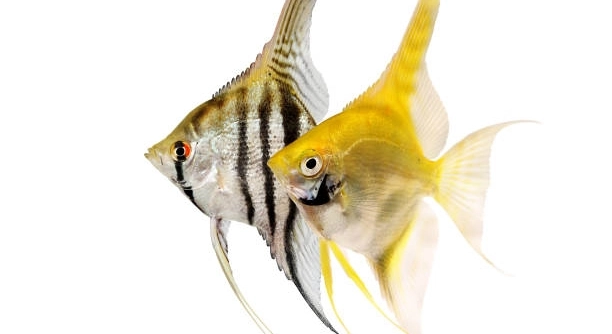
Are your angelfish growing slower than expected, even with a clean tank and regular feeding? It’s common to wonder if their diet could use a boost.
Feeding your angelfish the right foods can significantly support faster growth. High-protein options like brine shrimp, bloodworms, and specially formulated pellets provide the essential nutrients young angelfish need to develop strong bodies and vibrant colors.
Understanding which foods make the biggest difference can help your angelfish grow healthier and reach their full potential more quickly.
Brine Shrimp: A Protein-Rich Choice
Brine shrimp are one of the best live foods you can offer your angelfish if you want to support faster growth. These tiny crustaceans are rich in protein and easy for angelfish to digest, making them ideal for both juveniles and adults. When fed regularly, brine shrimp can improve fin development, body mass, and overall energy levels in young fish. You can choose between live, frozen, or freeze-dried versions, depending on what’s available and what your fish respond to best. Live brine shrimp tend to bring out natural hunting behaviors, which is a healthy form of stimulation. Just be sure to rinse them well before feeding to avoid adding unwanted bacteria or salt to the tank. Including brine shrimp in your angelfish’s weekly feeding schedule, even two or three times a week, can make a noticeable difference in their size and appearance within a short amount of time.
Rinse frozen brine shrimp before feeding to remove any excess preservatives or salt. This keeps your water cleaner and your fish safer.
It’s important to rotate brine shrimp with other foods to ensure your angelfish receive a full range of vitamins and minerals for steady, balanced growth.
Bloodworms: A Nutritious Treat
Bloodworms are packed with nutrients that help boost your angelfish’s immune system and support faster growth when offered in moderation.
Although bloodworms are high in protein, they should not be the main part of your angelfish’s diet. Feed them once or twice a week as a supplement to staple foods like high-quality pellets or flakes. Bloodworms—especially live or frozen—can help promote muscle development and bring out natural colors in your angelfish. Because they are so rich, overfeeding can lead to excess waste in the tank or constipation in your fish. It’s best to offer small amounts and observe how your fish react. If you notice leftover pieces, reduce the portion size next time. Rinse frozen bloodworms to limit preservatives, and always source from trusted brands to avoid contaminants. When used wisely, bloodworms can add great variety to the diet and give your angelfish the nutrients they need to grow stronger and more vibrant over time.
Daphnia: A Gentle, Fiber-Rich Option
Daphnia are small aquatic crustaceans that can help angelfish grow without overloading their digestive system. They are rich in fiber, which supports healthy digestion, and they make a great choice for younger or recovering fish.
Including daphnia in your feeding routine can help balance out a protein-heavy diet. While not as dense in protein as bloodworms or brine shrimp, they offer just enough to support moderate growth without straining your fish. Their soft shells also provide a natural source of roughage, which helps prevent bloating. You can find them live, frozen, or freeze-dried, though live daphnia are often the most beneficial for stimulating natural feeding behaviors. They’re also small enough for juvenile angelfish to eat easily. Try rotating them in once or twice a week to add diversity and support a healthier digestive rhythm alongside more protein-rich foods.
Daphnia are especially useful if your angelfish show signs of constipation or bloating. Their high water content makes them gentle on the stomach while still offering some protein and nutrients. If you raise your own daphnia culture, you can ensure they’re free from harmful additives, making them a safer, cleaner food source. This small change in the diet can lead to noticeable improvements in growth and energy.
High-Quality Pellets: A Balanced Staple
Pellets designed for angelfish are an easy way to make sure your fish get everything they need. Look for ones with high protein, added vitamins, and limited fillers like corn or wheat.
High-quality pellets should make up the base of your angelfish’s diet. They’re convenient, consistent, and often include a blend of nutrients essential for strong growth and immune support. When choosing pellets, check the ingredients list for fish meal or shrimp meal as a primary source of protein. Avoid formulas with too many plant-based fillers, as these don’t provide the same benefit for carnivorous species like angelfish. Pellets also come in different sizes, so be sure to pick one that your angelfish can easily eat without struggling. Soaking pellets briefly before feeding can prevent them from swelling inside the fish’s stomach. A dependable pellet diet keeps your fish on track, helping them grow faster, stronger, and with more vivid coloration over time.
Mosquito Larvae: A Natural Growth Booster
Mosquito larvae are a natural food source that can support faster angelfish growth. They’re high in protein and mimic what angelfish might eat in the wild, making them both nutritious and stimulating during feeding.
Feed mosquito larvae occasionally to avoid overloading your tank with waste. Use only clean, pesticide-free sources.
Egg Yolk Mixture: A Homemade Option
Egg yolk, when prepared properly, can be a powerful growth aid for angelfish fry. Boil an egg, separate the yolk, and mash a tiny bit into tank water. It’s rich in fat and protein, perfect for helping baby angelfish grow quickly in their early stages. Use it sparingly—just a small amount every other day. Too much will cloud the water and harm your tank’s balance. It’s not ideal as a long-term food but works well in short periods when fry need a growth boost. Always remove uneaten bits to keep the tank clean and reduce the risk of ammonia spikes.
Spirulina: A Plant-Based Support
Spirulina offers trace minerals and vitamins that support angelfish health. While not protein-heavy, it helps with digestion and strengthens immune function when mixed with other foods.
FAQ
How often should I feed my angelfish to help them grow faster?
Feed juvenile angelfish 2 to 3 times a day in small portions they can finish within 2–3 minutes. Consistency helps with growth, but it’s important not to overfeed. Uneaten food can spoil water quality and slow their progress. For adults, feeding twice a day is enough unless you’re conditioning them for breeding. Use a mix of protein-rich foods and high-quality pellets. Growth is more steady when paired with clean water and stable temperature. Feeding on a schedule also helps them build a strong metabolism and stay active.
What’s the best time of day to feed angelfish?
Morning and early evening are the best times. Fish are most active during these periods, and their digestion works more efficiently. Feeding in the morning gives them energy to stay active, while a lighter evening meal helps them settle overnight. Avoid feeding late at night when the tank lights are off, as uneaten food may not get noticed and could decay. Try to keep your feeding routine consistent every day to support good digestion and reduce stress.
Can angelfish eat vegetables for growth?
They can nibble on blanched vegetables like spinach or zucchini, but this should only be a small part of their diet. Vegetables offer fiber and support digestion but don’t contribute much to growth. Angelfish are omnivorous but lean toward protein-heavy foods. If you want to give them veggies, do it once a week in small amounts. Remove any leftovers quickly to avoid water issues. Spirulina-based flakes or pellets are a better plant-based option since they’re made for fish digestion and offer added vitamins.
Do live foods help angelfish grow faster than dry foods?
Live foods like brine shrimp, daphnia, and mosquito larvae are excellent for boosting growth. They’re rich in protein and stimulate natural hunting instincts, keeping your angelfish active. Live foods are usually more nutritious than freeze-dried or flake options, but they should be balanced with dry or prepared foods to avoid gaps in nutrition. Also, make sure any live food comes from a clean, safe source. Live feeding should be done in moderation, 2–3 times a week, to prevent overfeeding and to protect tank water conditions.
Is it safe to give egg yolk to angelfish often?
Egg yolk is fine in small doses for fry, but it shouldn’t be part of a regular adult diet. It’s very rich and can cause water problems if used too much. For young fish, feed a small amount every other day for a week or two. Watch the tank closely for cloudiness or ammonia spikes. Always clean up any leftovers right after feeding. Once the fry are big enough for crushed flakes or live baby brine shrimp, it’s best to stop using egg yolk.
What are signs that my angelfish are growing well?
Healthy angelfish will show steady body growth, more fin extension, and active behavior. Their colors will become more vivid, especially with a protein-rich diet. They’ll also have a good appetite and won’t hide often. If your fish seem dull, inactive, or their fins look clamped, something may be off with their diet or water. A well-growing angelfish will swim with confidence, interact during feeding, and show visible growth every few weeks—especially when young.
Can overfeeding slow growth in angelfish?
Yes, overfeeding can harm your angelfish and slow growth. Excess food pollutes the tank, raises ammonia levels, and stresses the fish. This makes them more prone to illness and may stop them from eating altogether. Stick to portioned feeding, watch how much they eat, and clean up leftovers right away. Healthy growth comes from balance—not just feeding a lot. Clean water, steady temperature, and enough tank space are just as important as food.
Final Thoughts
Feeding your angelfish the right foods can make a noticeable difference in their growth and health. While there are many options available, not all of them work the same. Choosing high-protein foods like bloodworms, brine shrimp, and quality pellets will give them the nutrients they need to grow stronger and faster. Live or frozen options can offer extra benefits, but they should be used in moderation and always come from a clean source. The key is variety. Mixing different types of food ensures your angelfish get a balanced diet, and this helps them develop better colors, stronger fins, and more energy overall.
Food alone won’t do everything. A clean tank, good water quality, and stable temperature are just as important as feeding. Uneaten food can quickly ruin the water, leading to stress and sickness. That’s why it’s always a good idea to feed in small amounts and remove leftovers. Also, young angelfish need to eat more often than adults. Feeding fry two or three times a day helps support their fast growth, but once they mature, twice a day is usually enough. Keep an eye on their behavior and how much they eat. If they start leaving food behind or acting tired, it may be a sign to adjust your routine.
Taking care of angelfish isn’t too hard once you get into a rhythm. Stick to a feeding schedule, use a mix of fresh and prepared foods, and check on the tank regularly. Watch how your fish behave, how they swim, and how their colors change over time. Healthy angelfish are active, curious, and eager to eat when you approach the tank. If you keep their environment clean and offer a nutritious diet, they’ll grow steadily and stay in good condition. Over time, you’ll learn what they prefer and what works best for them. With a little attention and care, your angelfish will thrive and become a beautiful, active part of your tank.

Hello,
If you enjoy the content that we create, please consider saying a "Thank You!" by leaving a tip.
Every little bit helps us continue crafting quality advice that supports the health, happiness, and well-being of pets around the world, for pets of all shapes, sizes, and species.
We really appreciate the kindness and support that you show us!