
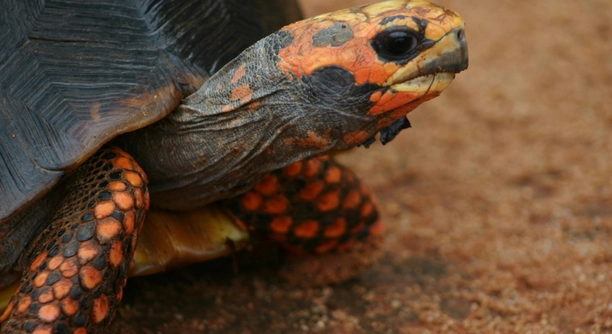
Red-footed tortoises are fascinating pets, but caring for them requires attention to their specific dietary needs. Certain foods, though tempting, can harm their health. It’s important to know which foods to avoid for their well-being.
Certain foods, such as high-fat or high-oxalate options, can cause health problems for red-footed tortoises. Offering the wrong foods may lead to kidney damage, obesity, or calcium imbalance, which can significantly impact their lifespan and quality of life.
Choosing the right foods for your tortoise ensures a long, healthy life. Understanding which foods are harmful is key to preventing serious health issues.
High-Fat Foods
High-fat foods are a big no-no for red-footed tortoises. These foods can lead to obesity, which puts extra strain on their bodies, especially their organs. It may seem harmless to offer a tortoise something rich in fats, but it can cause long-term damage. Tortoises need a balanced diet to stay healthy, and too much fat simply isn’t part of that balance. It can also lead to issues like heart disease or fatty liver disease over time, both of which are difficult to treat. Instead, stick to more fibrous and lower-fat options that are naturally found in their habitats.
Tortoises have slow metabolisms, and too much fat can result in weight gain. They are best suited to a diet rich in plant matter that is low in fats.
Feeding them fatty foods, like nuts or high-fat fruits, can upset this balance and result in serious health problems. Many owners may be tempted to offer these foods, thinking they are a special treat, but in the long run, it does more harm than good. To keep them healthy, choose leafy greens, flowers, and certain fruits that are lower in fat. This approach helps them maintain an appropriate weight and keeps their digestive systems functioning properly. You can always offer small amounts of high-fat foods occasionally, but they should not be a regular part of their diet.
Dairy Products
Dairy is another food group to avoid with red-footed tortoises. Unlike humans, tortoises cannot properly digest dairy products, such as cheese, milk, or yogurt. This is because they lack the enzymes needed to break down lactose. Giving them dairy can cause upset stomachs, diarrhea, and dehydration. It’s a mistake that some owners make when thinking they are adding variety to their tortoise’s diet.
Dairy can upset the balance of bacteria in their digestive system, leading to potential long-term digestive issues. Stick to foods that they are naturally equipped to handle.
The digestive system of red-footed tortoises is specifically designed to process plant matter. Dairy products don’t fit into this, and offering them can disrupt their gut health. For tortoises, a proper diet includes greens, vegetables, and certain fruits like papaya and mango in small amounts. While it might seem like an easy treat, dairy products just don’t belong in their diet. Keep their meals fresh and plant-based to maintain their digestive health and overall wellness. Your tortoise will thrive much better without dairy in the mix.
Citrus Fruits
Citrus fruits like oranges, lemons, and grapefruits should be avoided when feeding your red-footed tortoise. These fruits are too acidic for their digestive system, causing discomfort and potential issues. While they may seem like a fresh treat, the acidity can harm their sensitive stomachs.
The high acidity in citrus fruits can lead to digestive distress in red-footed tortoises. Over time, consuming these fruits can result in problems such as stomach ulcers or a weakened digestive tract. Their bodies aren’t designed to process such sour, acidic foods, so it’s important to stay clear of them entirely. Offering citrus fruits regularly might make your tortoise feel unwell and cause stress on their organs.
Instead of citrus, focus on feeding them fruits like strawberries, melons, or bananas in moderation. These fruits are more compatible with their digestive systems. You can also offer a variety of leafy greens, which should be the primary food in their diet. These safer options will provide better nutrition and avoid the risk of acidity-related health problems.
Processed Foods
Processed foods, including packaged snacks or human food scraps, should never be part of a red-footed tortoise’s diet. These foods are often high in salt, sugar, or preservatives, which can negatively affect their health. It’s easy to assume that any food is fine for your tortoise, but processed items can cause long-term issues.
Feeding processed foods to red-footed tortoises can lead to dehydration, kidney problems, and obesity. High salt levels in processed foods can throw off their natural electrolyte balance, causing complications like kidney failure or muscle issues. Preservatives can also interfere with their digestion and overall health, leading to an unhealthy gut and possibly a weakened immune system. It’s important to recognize that tortoises need natural foods, not the additives found in processed products.
Instead, stick to fresh vegetables and greens that are suitable for their diet. Offer leafy greens like collard greens, dandelion greens, and herbs like basil or parsley. These foods are much better for their health, helping them stay hydrated, strong, and happy. Offering fresh, natural foods will ensure that your tortoise thrives and remains in good health, free from the harmful effects of processed foods.
Iceberg Lettuce
Iceberg lettuce is not suitable for your red-footed tortoise. It has very little nutritional value and can cause digestive problems due to its high water content. While it’s often seen as a common treat, it lacks essential vitamins and minerals.
Feeding your tortoise iceberg lettuce can lead to dehydration and poor health over time. Since it doesn’t provide any real nutrients, it may fill them up without giving them the proper energy or vitamins they need. Regularly offering iceberg lettuce could also disrupt their digestion, making it harder for them to absorb more nutritious foods.
Instead, choose darker, leafier greens like romaine lettuce, kale, or mustard greens. These options are richer in nutrients, offering better health benefits and ensuring your tortoise stays strong and active.
Avocado
Avocados should never be fed to your red-footed tortoise. They contain a toxin called persin, which is harmful to tortoises and can cause severe health problems. Even small amounts can be dangerous, leading to issues like heart problems or even death.
Persin is a fungicidal toxin that affects many animals, and tortoises are particularly sensitive to it. The high-fat content in avocados is also not suitable for them. Ingesting avocado could result in vomiting, lethargy, or even more serious conditions. It’s crucial to avoid this fruit entirely to protect your tortoise from harm.
Tomatoes
Tomatoes are another food to avoid for red-footed tortoises. While not necessarily toxic, they contain compounds that can cause stomach upset and digestive issues. Even small amounts can cause discomfort, and it’s best to stay clear of this fruit altogether.
Avoid feeding your tortoise tomatoes as they can irritate their stomach lining. If consumed frequently, they could lead to gastrointestinal problems like diarrhea or bloating. Stick to safer fruits and vegetables, like berries or squash, which are far easier for them to digest.
What are the best foods for a red-footed tortoise?
Red-footed tortoises thrive on a diet that includes a variety of leafy greens, fruits, and vegetables. Offer dark, leafy greens like collard greens, dandelion greens, and mustard greens. You can also include herbs like basil and parsley, as they are nutrient-dense and safe. Fruits like papaya, mango, and strawberries are great occasional treats. These foods provide the necessary fiber, vitamins, and minerals that support your tortoise’s digestive health and overall well-being. Ensure that their diet is mostly plant-based, with fruits and vegetables in moderation to avoid any health issues.
How often should I feed my red-footed tortoise?
Red-footed tortoises should be fed daily, but the amount of food varies depending on their size and age. Young tortoises may need more food as they are still growing, while adults can be fed once a day. It’s important to provide fresh food every day, including a variety of greens and a small amount of fruit. Make sure the food is chopped into manageable pieces, especially for younger tortoises, to encourage eating. Always remove any uneaten food to prevent spoilage and contamination.
Can red-footed tortoises eat meat?
Red-footed tortoises are primarily herbivores but can occasionally eat small amounts of animal protein in the wild, like insects or carrion. However, meat should not be a regular part of their diet. Feeding them too much animal protein can lead to kidney problems and other health issues. Stick to a diet based on plants, with the occasional addition of small, safe animal protein if needed. Offering occasional protein sources like earthworms or insects can be done, but it should be limited and not a staple part of their diet.
Can I feed my red-footed tortoise commercial food?
Commercial tortoise food can be convenient but should not make up the bulk of your tortoise’s diet. These foods often lack the variety and nutrition that a fresh, plant-based diet provides. Some commercial foods may also contain preservatives or added sugar that can harm your tortoise in the long run. If you decide to use commercial food, choose high-quality brands that focus on natural ingredients and avoid those with artificial additives. Fresh greens, vegetables, and fruits should always be the primary source of nutrition.
What fruits can I feed my red-footed tortoise?
Red-footed tortoises enjoy a variety of fruits, but moderation is key. Safe options include papaya, mango, strawberries, and blueberries. These fruits are high in vitamins and antioxidants that contribute to your tortoise’s health. Be careful with high-sugar fruits like bananas, and offer them sparingly. Avoid feeding fruits that are too acidic, such as citrus fruits, as they can upset their digestive system. Also, ensure that the fruits are cut into small, manageable pieces to prevent choking or difficulty in digestion.
What vegetables are safe for my red-footed tortoise?
Leafy greens should be the foundation of your red-footed tortoise’s vegetable diet. Some excellent choices include kale, collard greens, dandelion greens, and mustard greens. You can also offer other vegetables like squash, bell peppers, and carrots. These vegetables provide essential vitamins and minerals that help support their immune system, shell health, and overall growth. However, avoid feeding vegetables that are too high in oxalates, like spinach, which can interfere with calcium absorption. Always aim for a diverse selection of veggies to ensure a balanced diet.
Should I provide calcium supplements to my red-footed tortoise?
Yes, calcium is important for your red-footed tortoise, especially for their shell health and bone development. You can provide calcium supplements in the form of powdered calcium carbonate. Dust their food with a small amount once or twice a week. You can also offer cuttlebone, which is a natural source of calcium. Ensure that your tortoise gets enough UVB light, as it helps them absorb calcium effectively. Too much calcium supplementation can cause problems, so it’s important to follow a proper routine and not overdo it.
Can I feed my red-footed tortoise flowers?
Many flowers are safe and enjoyable for red-footed tortoises to eat. Safe options include hibiscus, dandelions, and pansies. These flowers not only add variety to their diet but also provide extra nutrients. Avoid picking flowers from plants that have been treated with pesticides or chemicals, as these can harm your tortoise. Make sure the flowers you offer are pesticide-free and come from safe sources. Always introduce new foods gradually to ensure they don’t upset your tortoise’s digestive system.
What should I do if my red-footed tortoise refuses to eat?
If your tortoise is refusing to eat, it could be due to a variety of reasons, including stress, changes in temperature, or illness. Check if the enclosure’s temperature is within the ideal range, as tortoises are sensitive to cold. Ensure that they have access to a variety of foods and that their diet is fresh. If they continue to refuse food, observe their behavior and check for signs of illness, such as lethargy or abnormal stool. If the problem persists, it’s important to consult a veterinarian who specializes in reptiles for advice and treatment.
How do I hydrate my red-footed tortoise?
Red-footed tortoises need access to clean, fresh water every day. They will drink when they feel thirsty, but they also benefit from soaking in a shallow dish of water. Regular soaking helps them stay hydrated and aids in digestion. Ensure the water is shallow enough to prevent drowning, as tortoises are not good swimmers. You can also mist their enclosure to raise humidity levels, which is especially helpful in dry environments. Providing a water source for soaking is vital to ensure your tortoise stays hydrated and healthy.
Can red-footed tortoises live with other pets?
Red-footed tortoises can live peacefully with other pets as long as the other animals do not pose a threat. However, it’s essential to keep them separate from aggressive pets, like dogs or larger animals, that might try to hurt them. If you have other reptiles, monitor their interactions closely. Tortoises are best kept in their own enclosures, where they can move around safely without the risk of injury or stress from other animals. Ensure that their environment is secure, and if you plan to introduce them to other pets, make sure it’s under supervision.
When caring for a red-footed tortoise, it’s essential to understand the right diet and the foods that can harm them. Proper nutrition is crucial to maintaining their overall health and well-being. While it might be tempting to offer a variety of foods, it’s important to focus on what is naturally suited to their digestive system. Leafy greens, fruits in moderation, and certain vegetables are the best options. By avoiding harmful foods like high-fat items, processed foods, or toxic fruits like citrus, you can help prevent long-term health issues.
Ensuring a balanced diet for your tortoise goes beyond just feeding them the right foods. It also involves giving them the right amount of food each day, depending on their age and size. Young tortoises may need more frequent feedings, while adults typically eat once a day. Always offer fresh food, and avoid leaving uneaten portions to spoil. This routine helps maintain a healthy digestive system and keeps your tortoise energized. Keep in mind that hydration is just as important as food. Providing clean water and soaking them regularly helps with digestion and hydration.
Lastly, remember that the well-being of your red-footed tortoise goes beyond diet. The right environment, proper lighting, and temperature are all crucial factors for a healthy tortoise. Providing them with adequate space and a safe habitat is key to their happiness. With proper care, your tortoise can live a long and healthy life, enjoying the fresh foods that are best suited for their needs. As their caregiver, it’s important to be informed about what is safe and beneficial for them, ensuring they thrive for many years to come.

Hello,
If you enjoy the content that we create, please consider saying a "Thank You!" by leaving a tip.
Every little bit helps us continue crafting quality advice that supports the health, happiness, and well-being of pets around the world, for pets of all shapes, sizes, and species.
We really appreciate the kindness and support that you show us!