
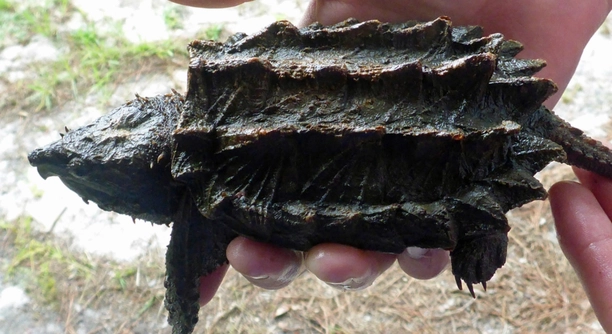
Alligator snapping turtles are fascinating creatures, but their unique dietary needs require careful consideration. Certain foods can negatively affect their health, making it essential to know what to avoid. Keeping their diet balanced is key.
There are specific foods that can harm alligator snapping turtles, including processed meats, dairy, and certain fruits. These items can cause digestive issues, stress, or even long-term health problems. Maintaining a proper diet is crucial for their well-being.
Understanding which foods can harm your alligator snapping turtle helps ensure it thrives. The right diet keeps them healthy and active in their habitat.
Processed Meats and High-Fat Foods
Processed meats such as hot dogs, sausage, and bacon are not suitable for alligator snapping turtles. These foods often contain preservatives, salt, and unhealthy fats, which can cause serious health issues for your turtle. Too much fat can lead to obesity, while excessive salt may strain their kidneys. Additionally, the high levels of preservatives and chemicals in processed meats can disrupt their digestive system, leading to stomach problems or other long-term issues. Keeping your turtle on a diet of natural, nutrient-rich food is essential for their overall health and well-being.
Feeding your turtle processed meats should be avoided. These foods can cause severe health problems, from digestive issues to long-term damage.
Instead of offering processed meats, focus on providing a diet that includes fresh fish, insects, and vegetables. These foods contain the right nutrients to keep your turtle strong, healthy, and active. Offering a variety of natural foods helps ensure they get the proper balance of vitamins and minerals. Always remember, variety is key in maintaining a healthy diet. This also prevents your turtle from becoming too reliant on one type of food, which could lead to nutritional deficiencies. By sticking to whole, unprocessed options, you can avoid the risks associated with feeding processed meats.
Dairy Products
Dairy products, including milk, cheese, and yogurt, should never be part of an alligator snapping turtle’s diet. These foods can upset their digestive system because turtles are lactose intolerant. Dairy can lead to stomach cramps, diarrhea, and dehydration, causing unnecessary stress to the turtle. Additionally, the proteins and fats found in dairy products are not suited for their digestion.
Dairy can harm your turtle’s health. It is best to steer clear of these items in their diet.
Instead, offer alternatives such as leafy greens, aquatic plants, or small amounts of animal protein like shrimp or fish. These options are far better suited to their digestive system and nutritional needs. A diet based on their natural eating habits is the best way to avoid any complications caused by inappropriate food choices. By sticking to foods that align with their natural diet, you’ll support your alligator snapping turtle’s long-term health and happiness.
Fruits High in Sugar
Fruits like grapes, bananas, and apples contain too much sugar for alligator snapping turtles. Excessive sugar intake can cause digestive issues and lead to obesity. It’s best to limit sugary fruits in their diet to avoid potential long-term health problems.
High sugar content can interfere with your turtle’s digestion. Sugar can throw off their nutrient balance, causing an unhealthy spike in energy, followed by a crash. This imbalance can lead to weight gain and stress on their organs. While a small amount of fruit might not harm them occasionally, it shouldn’t be a regular part of their diet.
Feeding sugary fruits may also reduce their interest in more appropriate foods, like protein-rich options, which are vital to their health. Over time, this can weaken their immune system and hinder proper growth. Sticking to lower sugar, more appropriate foods will ensure they receive the nutrition they need to stay healthy and active.
Insects or Fish with Shells
Feeding your alligator snapping turtle insects or fish with hard shells can be dangerous. The hard shells pose a risk of injury to your turtle’s teeth and digestive tract. It’s best to avoid these types of food.
Shells can cause significant damage to their mouth, teeth, and digestive system. Turtles can struggle to digest the tough, hard shells, leading to potential blockages or even internal injuries. While they might try to eat them, the risk far outweighs any potential benefits.
Instead, opt for soft, easier-to-digest animal protein sources. For example, you can provide fish without the bones or insects with softer exoskeletons. This ensures your turtle gets the nutrition it needs without putting their health at risk. Prioritizing safer food choices helps prevent unnecessary injuries.
Processed Foods
Processed foods, like snacks or packaged meals, are not suitable for alligator snapping turtles. They often contain preservatives, artificial colors, and excessive salt. These ingredients can negatively affect their health, leading to kidney problems or digestive issues.
The chemicals and additives in processed foods can cause inflammation, making it harder for your turtle to absorb nutrients properly. Long-term consumption of these foods could also result in obesity or organ strain. Instead, opt for whole, natural foods that meet your turtle’s nutritional needs, such as fresh fish and vegetables.
Raw Meat
Feeding your alligator snapping turtle raw meat can introduce harmful bacteria. Raw meat may contain pathogens like Salmonella, which can cause severe illness. Always avoid offering raw meat to your turtle.
To prevent bacterial infections, it’s best to stick with fresh, properly prepared foods. Cooked meat or high-quality protein sources like fish are much safer options for your turtle. Providing safe, bacteria-free food helps maintain their overall health and reduces the risk of infection.
Starchy Foods
Starchy foods, such as bread, pasta, or potatoes, are not ideal for alligator snapping turtles. They lack the necessary nutrients and can cause digestive problems when consumed regularly.
Turtles do not have the digestive system to properly process starches. Eating starchy foods can lead to bloating and discomfort, affecting their health. It’s better to focus on a diet of protein-rich foods and leafy greens that align with their natural eating habits.
FAQ
What should I feed my alligator snapping turtle?
Alligator snapping turtles thrive on a diet consisting of fresh fish, worms, crickets, and other protein-rich foods. They can also eat leafy greens like collard greens, dandelion greens, and some aquatic plants. A variety of these foods will ensure they get the necessary vitamins and minerals.
You should also offer occasional fruits, but keep in mind that they should only be given in moderation due to their high sugar content. A balanced diet is key to keeping your turtle healthy and active. It’s best to feed them what they would naturally consume in the wild to mimic their eating habits.
Can I feed my alligator snapping turtle pellets?
While commercial turtle pellets are available, they shouldn’t make up the majority of their diet. Pellets can be convenient, but they often lack the full nutritional value that fresh foods provide. If you do use pellets, make sure they are specifically formulated for carnivorous turtles.
Pellets should be used as a supplement rather than a staple. Fresh food options like fish, insects, and leafy greens are far superior for meeting your turtle’s dietary needs. Over-relying on pellets may lead to nutritional deficiencies in the long run.
How often should I feed my alligator snapping turtle?
Young turtles need to be fed more often than adults. For hatchlings and juveniles, feed them every day. As they grow, you can reduce the frequency to two or three times a week. Adult alligator snapping turtles can usually be fed once or twice a week, depending on their size and activity level.
It’s important to monitor their weight and health. If they seem to be gaining too much weight, reduce the frequency of feeding. If they appear lethargic, consider increasing their food intake. Every turtle’s needs are different, so adjust their diet accordingly.
Can alligator snapping turtles eat vegetables?
Yes, alligator snapping turtles can eat certain vegetables, but they should be provided as part of a varied diet. Leafy greens such as kale, collard greens, and dandelion greens are excellent choices. Vegetables should make up a small portion of their diet, as they are primarily carnivorous.
Avoid offering starchy vegetables like potatoes or corn, as these are not appropriate for their digestive system. Stick to vegetables that are low in sugar and rich in fiber and nutrients to maintain their digestive health.
Can I feed my alligator snapping turtle live prey?
Live prey, such as fish, insects, or small amphibians, is an excellent food choice for alligator snapping turtles. In fact, in the wild, they primarily hunt live prey. However, ensure that the prey is appropriately sized for your turtle and is free of parasites.
Live prey can help stimulate your turtle’s natural hunting instincts, which is beneficial for their mental and physical health. However, it is crucial to avoid feeding them prey that could harm them, such as those that carry diseases or parasites.
Is it okay to feed my alligator snapping turtle cooked meat?
Cooked meat can be fed to an alligator snapping turtle, but it should be done cautiously. Always remove any bones, as they can pose a choking hazard or cause internal injury. Avoid feeding cooked meat too frequently, as it should not be the primary source of their diet.
Opt for lean meats like chicken or turkey if you choose to offer cooked meat. It’s best to feed them a variety of foods, with fresh fish, insects, and vegetables being the most appropriate choices for their long-term health.
Can alligator snapping turtles eat fruit?
Alligator snapping turtles can eat some fruit, but it should be given sparingly. Fruits like berries, apples, and melons are good choices, but avoid citrus fruits. Due to their high sugar content, fruit should not make up more than 10% of their diet.
Overfeeding fruit can lead to weight gain and digestive issues, so moderation is key. Stick to smaller portions and make sure to offer a range of other foods to maintain a balanced diet. Fresh, nutrient-rich foods should always be prioritized over fruit.
What foods should I never feed my alligator snapping turtle?
Never feed your alligator snapping turtle processed foods, dairy products, or starchy foods. These can cause a range of health problems, including digestive issues and obesity. Also, avoid feeding them raw meat with bones, as this can lead to bacterial infections and injury.
Additionally, avoid sugary fruits like grapes and bananas, as they can upset their digestive system. Stick to whole, natural foods like fresh fish, worms, and leafy greens for the best results. Ensuring a varied and balanced diet is essential for your turtle’s health.
Can I feed my alligator snapping turtle insects?
Yes, insects are a great source of protein for alligator snapping turtles. You can feed them crickets, mealworms, and other small, live insects. These are a natural food source for turtles in the wild and can help maintain their health.
Make sure the insects are appropriately sized for your turtle and that they’re free from pesticides or other harmful chemicals. Insects should be offered as part of a well-rounded diet, alongside fish, greens, and occasional fruits.
How do I know if my alligator snapping turtle is overweight?
An overweight alligator snapping turtle may show signs like lethargy, difficulty swimming, or an enlarged body. If your turtle has excess fat, it may have trouble moving or hunting for food. Regularly monitor your turtle’s weight and body condition.
Adjust their diet and feeding schedule as needed to ensure they maintain a healthy weight. Offering a balanced diet and not overfeeding will help your turtle stay in optimal health. Consult a vet if you’re concerned about your turtle’s weight.
Final Thoughts
Taking care of an alligator snapping turtle requires careful attention to their diet and overall well-being. Their natural diet in the wild consists of a variety of protein-rich foods, such as fish, insects, and aquatic plants, which should be mimicked in captivity. A well-balanced diet will help your turtle stay healthy, active, and free from health issues. Understanding the types of food that are best for them, as well as what to avoid, is key to providing proper care. By sticking to fresh, nutrient-dense foods and avoiding harmful items like processed foods, sugary fruits, or cooked meats, you ensure your turtle gets the best care possible.
It’s also important to monitor your alligator snapping turtle’s weight and activity level. Feeding frequency should adjust as your turtle matures, with younger turtles requiring more frequent feedings and adults needing less. Keeping their feeding routine consistent and ensuring that the food is varied helps maintain their nutritional needs. Overfeeding, especially with high-calorie foods like fruit or fatty meats, can lead to obesity and other health problems, so portion control is vital. On the other hand, underfeeding can lead to malnutrition and lethargy, so always pay attention to their eating habits.
While feeding is an essential part of their care, don’t forget other aspects like proper tank conditions and regular health checks. A clean, well-maintained tank with appropriate water temperatures is just as important for their overall health. If you notice any changes in their eating habits or behavior, it may indicate a health issue, so it’s best to consult a veterinarian familiar with reptiles. With the right diet and proper care, alligator snapping turtles can thrive and live long, healthy lives in captivity.

Hello,
If you enjoy the content that we create, please consider saying a "Thank You!" by leaving a tip.
Every little bit helps us continue crafting quality advice that supports the health, happiness, and well-being of pets around the world, for pets of all shapes, sizes, and species.
We really appreciate the kindness and support that you show us!