
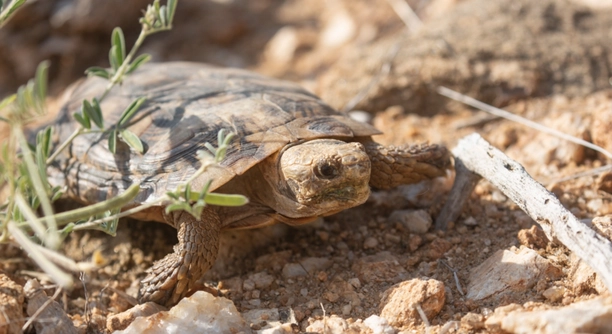
Pancake tortoises are unique creatures, and their diet plays an important role in maintaining their health. However, certain foods can cause digestive issues that affect their well-being. Understanding what these foods are is key to caring for them.
Certain foods can lead to digestive problems in pancake tortoises, including high-fat or high-protein items, processed foods, and certain fruits. These can result in discomfort, poor digestion, and other health issues, making it important to monitor their diet.
Knowing which foods to avoid is essential for keeping your pancake tortoise healthy. Proper diet choices will ensure they stay happy and thrive, so it’s important to understand the foods that can cause issues.
High-Fat Foods and Digestive Issues
High-fat foods can cause real problems for pancake tortoises. These animals have sensitive digestive systems, and too much fat can make it hard for them to process their meals properly. This can lead to stomach upset, diarrhea, or even more serious health issues over time. Foods like fatty meats or oil-rich plants should be avoided. The digestion process of tortoises relies on a balanced intake of fiber and low-fat content. When fat overwhelms their system, it may also lead to weight gain and other complications. Keeping their diet rich in plants with lower fat content will support their natural digestion and overall health.
It’s important to monitor what your tortoise eats to keep its digestive system functioning well. Avoid offering high-fat foods to ensure they stay comfortable and healthy.
Pancake tortoises thrive on a diet made up of leafy greens, flowers, and grass. These foods help provide fiber, which is essential for proper digestion. They should not have a heavy intake of high-fat items, as this could lead to sluggish digestion and poor absorption of nutrients. Their intestines are designed to process plant-based foods with minimal fat, so sticking to their natural diet ensures they remain in good condition. Over time, a high-fat diet can weaken their overall health, including their shell and skin. For a healthier and happier tortoise, offer only moderate amounts of fats and focus on plant-based foods.
Processed Foods and Their Effects
Processed foods can be just as harmful to your pancake tortoise. Many commercially prepared foods contain preservatives and additives that may disrupt their delicate digestive system. These products often lack the nutrients that are necessary for their growth and health. It’s easy to assume that prepared food is fine, but for pancake tortoises, it’s better to stick with fresh, natural options.
Processed food lacks the natural fiber that is needed to help tortoises digest their meals efficiently. Many of these products are designed for human consumption and can upset the balance of bacteria in their gut.
Fresh vegetables and leafy greens are much better suited for a pancake tortoise. They provide essential vitamins and minerals while also offering fiber that supports their digestive system. By avoiding processed foods and sticking with natural ingredients, you give your tortoise the best chance at a healthy, well-functioning digestive tract. It’s a small change that can make a big difference in their long-term health.
High-Protein Foods
High-protein foods can disrupt your pancake tortoise’s digestion. They are not built to process large amounts of protein, which can strain their system. Too much protein can lead to kidney issues or digestive blockages over time.
Tortoises can get protein from sources like insects or small amounts of animal products, but these should not be a major part of their diet. In fact, excessive protein can lead to improper shell growth and cause a buildup of waste. It’s important to offer them protein sparingly and focus on plant-based sources instead. A diet too rich in protein may also result in an overly acidic gut, making it difficult for them to process food properly.
If your tortoise has been eating a lot of protein, it may show signs of lethargy, poor appetite, or even a discolored shell. Reducing protein intake and replacing it with a greater variety of greens and fibrous plants can help avoid these issues. Their digestive system is far better equipped to handle plant-based foods than protein-heavy meals. With proper adjustments, your pancake tortoise will remain healthy and comfortable.
High-Sugar Fruits
Fruits high in sugar are another potential problem for pancake tortoises. While fruits can be a part of their diet, sugary varieties can upset their digestion and cause imbalances in their gut. Too much sugar may lead to diarrhea or other digestive distress.
Offering fruits like bananas, grapes, or mangoes can be tempting, but they should only be given in moderation. These sugary fruits are not naturally present in their wild diet, and too much sugar can lead to health issues like obesity or digestive problems. Instead, stick with fruits that have lower sugar content, such as apples or pears. Even then, offering these in small amounts is key to preventing digestive disturbances.
A healthy diet for pancake tortoises should be focused on fiber-rich plants like grasses and leafy vegetables. Fruit can be offered as an occasional treat, but it shouldn’t be the main part of their diet. By limiting sugary fruits, you can help maintain their digestion, avoid weight gain, and prevent long-term health complications.
Dairy Products
Dairy products are not suitable for pancake tortoises. Their digestive system does not have the necessary enzymes to process lactose, which can lead to digestive upset and discomfort. Avoid offering milk, cheese, or yogurt to your tortoise.
Lactose intolerance in tortoises can cause bloating, diarrhea, and cramping. Stick to their natural diet of plant-based foods to avoid these digestive issues. Dairy has no place in their diet and should be completely avoided.
Spicy Foods
Spicy foods can cause significant discomfort for your pancake tortoise. These foods may irritate their digestive system and cause an upset stomach. It’s best to avoid anything with spices or hot peppers.
Tortoises are not equipped to handle the heat from spicy foods. The active compounds in spices can lead to irritation in their stomach, causing pain or digestive issues. Keep their meals simple and mild, offering only foods they can naturally digest.
FAQ
Can pancake tortoises eat meat?
While pancake tortoises are primarily herbivores, they can occasionally eat small amounts of animal protein. However, this should be a very small part of their diet, as they are not designed to process large amounts of meat. Too much protein from animal sources can cause digestive issues and other health concerns. Instead, focus on a diet that’s rich in fiber, with plenty of leafy greens and grasses. If you do offer animal-based protein, keep it minimal and avoid feeding them meat regularly.
What fruits can pancake tortoises eat?
Pancake tortoises can eat some fruits in moderation, but it’s important to choose fruits with lower sugar content. Apples, pears, and berries are generally safe for them. However, fruits like bananas, grapes, and citrus should be avoided or given in very small amounts. Too much sugar can cause digestive problems, and some fruits are high in acid, which can irritate their stomach. Stick to fresh, unsweetened fruit and only offer it as a treat.
Can pancake tortoises eat lettuce?
Not all lettuce is safe for pancake tortoises. Iceberg lettuce, in particular, should be avoided, as it has very little nutritional value and can cause digestive issues. Romaine lettuce or other darker leafy greens are better choices. These provide more nutrients, including fiber and vitamins, which are essential for a tortoise’s health. Make sure the lettuce is fresh and pesticide-free before offering it to your tortoise.
How often should I feed my pancake tortoise?
Pancake tortoises generally need to be fed daily, but the amount of food depends on their age and size. For young tortoises, you may need to provide more food to support their growth, while adults can be fed less. It’s important to offer a variety of leafy greens, grasses, and some fruits, as this will ensure they get a well-rounded diet. Be careful not to overfeed, as this can lead to obesity or digestive problems. Monitor their weight and adjust their food intake as needed.
Is it safe to feed pancake tortoises dandelions?
Yes, dandelions are a great food for pancake tortoises. They are rich in fiber, vitamins, and minerals, making them an excellent addition to their diet. You can feed them both the leaves and flowers, but make sure they’re free from pesticides or herbicides. Dandelions can be a fun and natural treat for your tortoise, as long as they’re given in moderation and part of a varied diet.
Can I feed pancake tortoises vegetables?
Yes, vegetables can be a good part of a pancake tortoise’s diet. Offer a variety of dark, leafy greens like kale, collard greens, and mustard greens. These provide important nutrients and are easy on their digestive system. Avoid starchy vegetables like potatoes, as they may not be easily digestible for your tortoise. Vegetables like bell peppers, carrots, and squash are generally safe when given in moderation. Always wash the vegetables thoroughly to remove any pesticides or chemicals before offering them to your tortoise.
What should I do if my pancake tortoise stops eating?
If your pancake tortoise stops eating, it could be a sign of stress, illness, or improper diet. First, make sure their environment is suitable with the right temperature, humidity, and light levels. If they’re housed with other tortoises, ensure there’s no aggression or competition for food. Check their diet to ensure it’s varied and fresh. If they continue to refuse food for more than a day or show signs of lethargy or other health concerns, it’s best to consult with a vet who specializes in reptiles. Prompt action can prevent more serious health problems.
Are there any foods that pancake tortoises should never eat?
Yes, there are several foods that should never be fed to pancake tortoises. These include processed foods, dairy, spicy foods, and high-sugar fruits. Avoid feeding them anything with salt, chocolate, or toxic plants like avocado. Additionally, iceberg lettuce, high-fat foods, and excessive protein can cause digestive issues. It’s important to stick to their natural diet of fibrous plants, leafy greens, and occasional fruits. Ensuring they eat foods that align with their natural diet helps keep their digestive system healthy and prevents long-term health problems.
Can I feed my pancake tortoise commercial tortoise food?
Commercial tortoise foods can be fed to pancake tortoises, but they should not be the main part of their diet. Many commercial foods are high in protein or contain additives that may not be suitable for your tortoise. It’s better to use commercial foods as an occasional supplement rather than a regular meal. Always check the ingredients to ensure they align with your tortoise’s dietary needs. Fresh, natural foods are always the best choice for their long-term health and well-being.
How can I prevent my pancake tortoise from becoming overweight?
To prevent your pancake tortoise from becoming overweight, avoid overfeeding and focus on providing a balanced diet. Monitor their food intake, ensuring they’re eating the right amount of fibrous plants and leafy greens. Limit high-fat foods, sugary fruits, and animal protein. Regularly check their weight and body condition, making sure they’re active and not lethargic. Also, provide them with enough space to roam, as exercise plays an important role in maintaining a healthy weight. Avoid feeding them large amounts of food all at once, and spread out meals throughout the day.
Taking care of a pancake tortoise involves more than just providing food. It’s important to understand their dietary needs and how specific foods can affect their health. A balanced diet with the right mix of greens, fiber, and some fruit will ensure your tortoise stays healthy. Keeping high-fat, high-protein, and processed foods out of their diet is key to avoiding digestive issues. These foods can lead to discomfort and even long-term health problems. By sticking to foods they are naturally designed to digest, you can help your tortoise thrive.
Pancake tortoises are delicate creatures, and their diet is one of the most important factors in their overall well-being. Offering them the right foods will help prevent digestive issues like bloating, diarrhea, and poor absorption of nutrients. Foods like leafy greens, grasses, and safe fruits will support their digestive system. While it may be tempting to offer them more variety or human food, it’s essential to resist, as this can lead to problems down the line. Always make sure any food you offer is safe and appropriate for your tortoise’s needs.
In the end, understanding what foods can cause digestive problems in pancake tortoises will help you provide the best care possible. Avoiding foods that are too fatty, sugary, or processed will go a long way in ensuring their long-term health. When in doubt, it’s always best to consult with a vet specializing in reptiles to ensure your tortoise is getting everything they need to stay healthy. With proper care and attention to their diet, your pancake tortoise will remain happy and active, living a long and healthy life.

Hello,
If you enjoy the content that we create, please consider saying a "Thank You!" by leaving a tip.
Every little bit helps us continue crafting quality advice that supports the health, happiness, and well-being of pets around the world, for pets of all shapes, sizes, and species.
We really appreciate the kindness and support that you show us!