
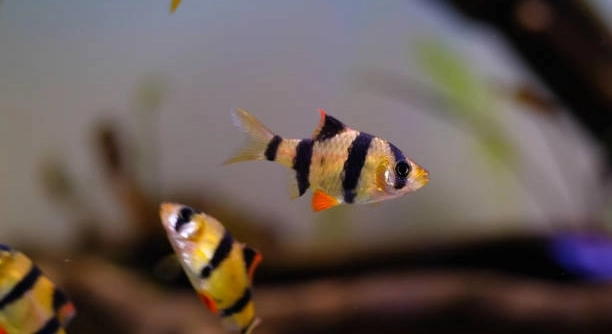
Do you ever find yourself wondering why your tiger barbs look dull even though you’re doing everything right with their care?
The most effective way to enhance tiger barb coloration is by feeding them a diet rich in natural pigments, proteins, and essential nutrients. Specific foods support color intensity by promoting overall health and pigment cell development.
From shrimp-based treats to vitamin-rich vegetables, this article will walk you through seven simple food choices that can help bring out the best in your tiger barbs.
Brine Shrimp Boosts Pigment
Brine shrimp is one of the best natural foods for boosting tiger barb color. It’s rich in carotenoids, which help bring out red and orange tones in fish. These small crustaceans also provide a solid protein source, supporting healthy growth and strong immune function. Frozen or live brine shrimp can be given two to three times a week, depending on your fish’s usual diet. Many aquarists notice brighter colors within a few weeks of regular feeding. It’s also gentle on digestion, making it a safe option for routine feeding. When sourcing brine shrimp, try to use clean, high-quality products to avoid introducing harmful bacteria. Avoid overfeeding, as too much protein can lead to bloating or cloudy water. Combining brine shrimp with other color-enhancing foods can give your tiger barbs a fuller, more vibrant look without needing artificial additives or commercial color boosters. Keep feedings light and observe how your fish respond.
Start small by adding brine shrimp once a week, then gradually increase based on how your tiger barbs react.
Brine shrimp works best when part of a balanced diet. It shouldn’t be the only food source, but rather a helpful addition. Pairing it with plant-based foods and other high-protein items will give better, longer-lasting color results.
Spirulina Enhances Brightness
Spirulina is a blue-green algae that’s packed with nutrients and helps amplify natural color in fish.
Adding spirulina to your tiger barbs’ diet improves color by supporting pigment cells and overall vitality. This algae is rich in phycocyanin and chlorophyll, both of which contribute to richer greens and deeper oranges in fish. It also helps support immune strength and digestive health. Spirulina comes in flakes, powders, and wafers, so it’s easy to blend with regular feedings. You can use it two to three times a week, either alone or mixed with other foods. Fish often show better scale definition and livelier swimming behavior after a few weeks of regular intake. Since spirulina is plant-based, it also complements other protein-heavy foods well. Avoid overfeeding by offering small portions that can be consumed within a few minutes. When used consistently, spirulina can help your tiger barbs develop cleaner, sharper coloration and support long-term health without relying on synthetic color enhancers.
Daphnia Adds Natural Color Depth
Daphnia is a small freshwater crustacean that brings out color in tiger barbs naturally. It’s high in protein and promotes healthy metabolism. It also helps clean the digestive system, which leads to better nutrient absorption and brighter scales.
Tiger barbs respond well to live or frozen daphnia. When added to their diet two to three times a week, daphnia encourages deeper reds and stronger blacks. It’s easy to portion and doesn’t cloud the water when fed properly. Because it’s a natural food source, it also encourages natural hunting behaviors, which helps reduce stress in the tank. Stress can dull color over time, so reducing it can indirectly lead to a brighter appearance. Daphnia is best used alongside other foods and not as the sole source of nutrition. For best results, rotate with spirulina, brine shrimp, or high-quality pellets that contain plant matter and protein.
Choose daphnia from a trusted source to avoid bacteria or parasites. If you’re using live daphnia, rinse it gently before feeding to reduce the risk of introducing contaminants. With regular feeding, you should see better color definition in just a few weeks. It’s a simple, natural way to give your tiger barbs a more vibrant appearance without overcomplicating your routine.
Bloodworms for Rich Red Tones
Bloodworms are excellent for boosting the red hues in tiger barbs. They are rich in protein and iron, which support cell development and muscle tone. These nutrients play a role in helping fish show deeper, more intense coloration over time.
Frozen or live bloodworms can be offered once or twice a week as a treat. Because they’re high in protein, it’s important not to overdo it. Too much can lead to digestive issues or unbalanced nutrition. When fed in moderation, bloodworms give a noticeable boost in color, especially in the red and orange spectrum. They also keep tiger barbs active and engaged during feeding time. Use them alongside other plant-based foods to maintain balance. A mix of bloodworms and spirulina works especially well. Color improvement is usually visible after a few consistent feedings, especially if your fish were already healthy and well cared for.
Peas Support Digestive Health
Boiled peas help tiger barbs digest food better, which leads to clearer scales and stronger color. When their digestion runs smoothly, fish absorb nutrients more efficiently. This supports better pigment development and overall energy levels in the tank.
Use shelled, boiled peas once a week in small portions. They help reduce bloating and prevent constipation, which keeps your tiger barbs active and looking healthy. Chop them into small pieces so they’re easy to eat and don’t sink too fast.
Color-Enhancing Pellets Work Over Time
High-quality color-enhancing pellets are an easy way to support tiger barb pigmentation with minimal effort. These pellets are made with added carotenoids and natural color boosters like astaxanthin or spirulina. When used consistently, they help build brighter reds and deeper oranges across the body and fins. They’re also fortified with vitamins and minerals that promote immune function and steady growth. Feed small portions once or twice daily depending on the age and size of your fish. Overfeeding can lead to cloudy water and poor digestion. Choose trusted brands with clear ingredient lists. Used correctly, pellets can enhance color slowly and steadily.
Zucchini Adds Plant Variety
Zucchini is a simple vegetable that brings balance to a protein-heavy diet. It’s soft, easy to digest, and provides small amounts of color-supporting nutrients. Offer blanched slices once a week to keep your tiger barbs healthy and active.
FAQ
How often should I feed tiger barbs color-enhancing foods?
Color-enhancing foods can be given around three times a week. This includes brine shrimp, bloodworms, daphnia, or spirulina. It’s important to mix things up and avoid feeding the same thing every day. A varied diet prevents nutritional gaps and supports better overall health. On non-enhancement days, offer high-quality pellets or flakes with balanced ingredients. For vegetables like peas or zucchini, once a week is usually enough. Watch how your tiger barbs respond to new foods and adjust as needed. Keep feeding portions small and consistent to avoid water issues and digestive problems.
Can overfeeding color-rich foods harm my tiger barbs?
Yes, overfeeding can cause more harm than good. Too much protein-rich food like bloodworms or brine shrimp can lead to bloating, constipation, and cloudy tank water. It can also throw off their nutritional balance. Tiger barbs are small and don’t need large amounts of food. A few bites per fish per feeding is enough. If you notice food settling at the bottom uneaten, cut back. Keep in mind that improving color takes time. Consistency and balance matter more than large amounts of one food type.
What if my tiger barbs won’t eat vegetables like peas or zucchini?
Some tiger barbs need time to get used to vegetables, especially if they’ve never had them before. Try boiling the vegetables until soft and chopping them into tiny pieces. You can also mix them with more familiar foods at first. Over time, most fish will sample them, especially if they’re a bit hungry. Remove uneaten veggies after a few hours to keep the tank clean. If they continue refusing vegetables, focus on spirulina-based pellets or flakes as an easy plant-based alternative.
Do artificial color-enhancing products work as well as natural foods?
Artificial enhancers may produce quick color changes, but they don’t support long-term health. Many contain dyes or additives that might strain your fish’s organs over time. Natural foods like spirulina, brine shrimp, and daphnia work more gradually but offer real health benefits. They support digestion, growth, and energy—not just color. For lasting results, natural is safer and more effective. It also avoids the risks of unnatural pigmentation or sudden color loss once the artificial enhancer is stopped.
Can stress impact tiger barb coloration?
Yes, stress is one of the biggest reasons tiger barbs lose color. It can come from poor water quality, aggression in the tank, or sudden changes in temperature. Even loud noise or frequent tank disruptions can cause stress. When stressed, tiger barbs often look pale or washed out. To help them stay colorful, make sure they have good tank conditions, a calm environment, and consistent care. Feeding a varied, healthy diet also helps them handle stress better.
At what age do tiger barbs show their full color?
Tiger barbs usually begin showing full color between 4 to 6 months old. This depends on their diet, tank conditions, and genetics. Younger fish tend to have lighter colors that darken with time. Feeding them nutrient-rich foods from a young age can help them develop deeper, brighter shades. Regular water changes and proper tank size also support faster development. If a healthy adult tiger barb still has dull color, it’s likely related to food or stress levels rather than age.
What’s the best way to introduce new foods to their diet?
Start slow. Add a small amount of the new food along with something they already enjoy. Tiger barbs are curious, so they’ll often try new things after a few feedings. If they ignore it at first, try again later—don’t force it. Offer just enough for them to eat within a few minutes, and remove leftovers right after. Over time, they’ll adjust to a more varied diet. Be patient, and monitor their behavior and color changes as you go.
Final Thoughts
Feeding your tiger barbs the right foods can make a big difference in how they look and feel. Their colors become brighter, their energy improves, and they stay healthier overall. Natural foods like brine shrimp, spirulina, daphnia, and bloodworms offer real benefits without the need for artificial color boosters. Vegetables like peas and zucchini also help with digestion, which supports better nutrient use. A balanced diet with both protein and plant matter gives your tiger barbs what they need to stay strong and vibrant. While some color changes take time, the results are usually worth the effort.
It’s also important to pay attention to the tank conditions. Clean water, low stress, and a steady routine all work with food to bring out your fish’s best appearance. Even the best diet won’t help much if the fish are stressed or living in poor conditions. Feeding should be consistent but not excessive. Overfeeding can lead to water problems and make your fish sick. Stick to small portions, and feed a mix of color-enhancing and basic foods throughout the week. Watch how your tiger barbs respond, and adjust based on their energy, color, and behavior.
In the end, food is just one part of the bigger picture. It helps a lot, but it works best when paired with good care, clean water, and a stable tank setup. Try different foods to see what your tiger barbs enjoy the most, and don’t rush the process. Color changes happen slowly, but when your fish start showing richer tones and look more alert, you’ll know it’s working. Keeping things simple and consistent is often the best way to support your fish. With just a few changes to their diet, your tiger barbs can look brighter, feel better, and live longer.

Hello,
If you enjoy the content that we create, please consider saying a "Thank You!" by leaving a tip.
Every little bit helps us continue crafting quality advice that supports the health, happiness, and well-being of pets around the world, for pets of all shapes, sizes, and species.
We really appreciate the kindness and support that you show us!