
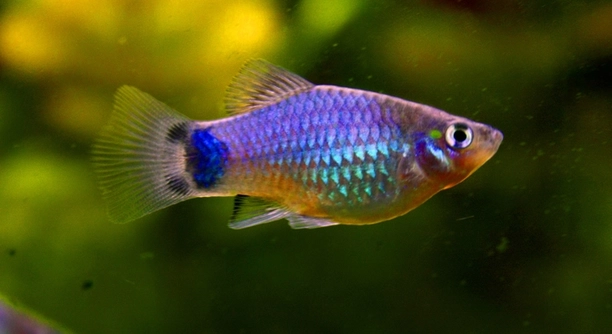
Many aquarium owners want their platys to show bright, beautiful colors quickly. Healthy diet plays a big role in bringing out these vibrant hues. Feeding the right foods can make a noticeable difference in platy coloration.
Certain foods rich in carotenoids, vitamins, and antioxidants help enhance platy colors quickly. Ingredients like spirulina, krill, and bloodworms provide essential nutrients that boost pigmentation. A balanced diet including these foods supports overall health and vibrant appearance.
Knowing which foods work best can improve your platy’s look and well-being. This article will guide you through seven effective options to brighten your fish’s colors fast.
Spirulina: A Natural Color Booster
Spirulina is a type of blue-green algae that is often added to fish food because of its high nutrient content. It contains natural pigments called carotenoids, which help enhance the red and orange colors in platys. Adding spirulina to their diet not only supports their color but also boosts their immune system. It’s easy to find spirulina in flakes or powder form, which can be mixed with regular fish food. Many hobbyists notice brighter colors in their platys within a few weeks of introducing spirulina. Besides color, spirulina provides protein and essential vitamins that help keep fish active and healthy. Including it regularly can improve the overall appearance and vitality of your fish.
Spirulina is safe and effective for all platy varieties. Just be careful not to overfeed.
A consistent diet with spirulina helps maintain strong pigmentation. Pair it with other nutritious foods to support your platy’s color and health long term.
Krill: Rich in Pigmentation Nutrients
Krill is a tiny crustacean packed with carotenoids, especially astaxanthin, which is known for its color-enhancing properties. This makes krill an excellent food for bringing out red, orange, and pink tones in platies. Offering krill as a frozen or freeze-dried treat can add variety and essential nutrients to your fish’s diet.
Krill is a nutrient-dense food that supports both color and health. Its high protein content aids muscle development, while the carotenoids help boost the fish’s natural pigmentation. Feeding krill two or three times a week encourages vibrant colors without overloading their diet. Since krill is a natural food source, it mimics what fish would eat in the wild, promoting more natural coloration. Additionally, krill helps improve digestion and energy levels, which contribute to a healthier fish overall. When combined with other color-boosting foods, krill plays an important role in a well-rounded diet for platys, encouraging strong and lasting pigmentation.
Bloodworms: A Color-Enhancing Treat
Bloodworms are rich in protein and natural pigments that help enhance red and orange tones in platys. They can be fed as frozen or freeze-dried treats to add color and nutrition.
Bloodworms contain astaxanthin, a powerful pigment that directly influences bright color development. When added to your platy’s diet, bloodworms stimulate vibrant hues, especially in red and orange areas. Because they are high in protein, bloodworms also support muscle growth and overall health. Feeding bloodworms occasionally keeps your fish interested in their diet while providing a natural source of coloration nutrients. However, they should be used in moderation to avoid digestive issues. Incorporating bloodworms alongside staple foods creates a balanced diet that promotes strong pigmentation and vitality.
These worms mimic natural prey, making them a favorite among many fish. Their benefits extend beyond color, contributing to your platy’s well-being and energy.
Carrot: An Easy Color Booster
Carrots are a good source of beta-carotene, a pigment that helps enhance orange and red tones in platys. They can be fed in small, finely chopped pieces or blended into homemade fish food.
Beta-carotene in carrots converts into vitamin A, which supports skin and scale health while improving coloration. Adding carrots to your platy’s diet introduces a natural, plant-based pigment source. This can be especially helpful for platys showing dull or faded colors. Carrots also provide fiber, aiding digestion and overall health. Preparing carrots carefully ensures your fish can consume them easily, which is important to avoid waste. Mixing carrots with other nutrient-rich foods will boost your platy’s color gradually while maintaining a balanced diet. Over time, regular carrot feeding can make your fish’s orange and red shades more vivid and consistent.
Daphnia: A Natural Color Enhancer
Daphnia are small freshwater crustaceans that are packed with nutrients supporting bright coloration. They’re often fed live or freeze-dried.
These tiny creatures help boost red and orange pigments in platys naturally. Their digestibility and nutrient content also improve fish health and activity levels.
Spinach: A Green Pigment Source
Spinach contains chlorophyll and carotenoids that can enhance green and yellow hues in platys. It also provides vitamins that support overall health. Feeding spinach as a finely chopped vegetable or blended into homemade fish food helps diversify your platy’s diet and encourages stronger coloration. Regular spinach intake improves pigmentation and supports healthy scales and skin.
Peas: Good for Digestion
Peas help regulate digestion and prevent bloating in platys. They should be shelled and softened before feeding to ensure easy digestion.
Spirulina Powder
Spirulina powder is a concentrated form of algae rich in pigments that support vibrant colors. Adding it to your fish food enhances overall coloration and health.
How soon can I expect to see color changes in my platy after changing their diet?
Color changes in platys usually start appearing within two to four weeks after introducing color-boosting foods. Consistency is key; feeding a balanced diet with foods rich in carotenoids and vitamins regularly helps pigments develop steadily. Keep in mind that factors like water quality and lighting also influence how quickly colors become visible.
Is it safe to feed my platy bloodworms and krill every day?
Feeding bloodworms and krill daily is not recommended. These foods are high in protein and rich in pigments, but too much can upset your fish’s digestion and water quality. Instead, offer these treats two or three times a week alongside staple flakes or pellets for a balanced diet.
Can I rely on just one type of food to bring out my platy’s colors?
No single food can provide all the nutrients needed for vibrant coloration and overall health. Combining various foods like spirulina, krill, bloodworms, and vegetables ensures your platy gets a full range of pigments, vitamins, and minerals. Variety also keeps your fish interested and encourages natural feeding behavior.
Are frozen and freeze-dried foods equally effective in enhancing platy colors?
Both frozen and freeze-dried foods are good options and retain most nutrients needed for pigmentation. Frozen foods usually maintain a fresher nutrient profile, while freeze-dried options offer convenience and longer shelf life. Rotate between both types to provide a varied diet and prevent boredom.
How important is water quality for maintaining bright colors in platys?
Water quality plays a crucial role in color expression. Poor water conditions stress fish, causing colors to fade regardless of diet. Regular water changes, proper filtration, and stable temperature help keep platys healthy and their colors vibrant. Clean water supports metabolism and pigment development.
Can homemade fish food be as effective as commercial color-enhancing pellets?
Homemade fish food can be effective if it includes ingredients rich in carotenoids, vitamins, and proteins, such as spirulina, carrots, and krill. It allows control over ingredients and freshness. However, commercial pellets are formulated for balanced nutrition and convenience. Combining both can offer the best results.
Do lighting and tank setup affect how my platy’s colors appear?
Yes, lighting can enhance or dull your platy’s colors. Full-spectrum aquarium lights that mimic natural sunlight help pigments show their true brightness. A clean tank with natural backgrounds also improves visual contrast, making colors pop. Avoid harsh or overly bright lights that may stress fish.
Is it okay to feed my platys human vegetables like carrots and spinach?
Yes, but only in small amounts and properly prepared. Vegetables should be finely chopped or blended to make them easy for fish to eat and digest. Avoid seasoning or chemicals. Feeding plant-based foods occasionally adds valuable pigments and nutrients to their diet.
What should I do if my platy’s colors don’t improve despite feeding color-boosting foods?
If colors don’t improve, check water quality and tank conditions first. Stress or illness can prevent color development. Also, review the diet to ensure variety and nutrient balance. Some platys naturally have duller colors due to genetics, which limits how vibrant they can become.
Can overfeeding color-enhancing foods harm my platys?
Yes, overfeeding any food, including color-enhancers, can cause digestive issues and pollute the tank. Excess nutrients lead to water quality problems, which affect fish health and coloration. Feed small amounts several times a day rather than large portions at once, and remove uneaten food promptly.
When it comes to bringing out your platy’s colors quickly, diet plays a very important role. Feeding foods rich in natural pigments like carotenoids and vitamins can help your fish develop brighter and more vibrant colors. Ingredients such as spirulina, krill, bloodworms, and vegetables like carrots or spinach provide the essential nutrients needed for strong pigmentation. Including a variety of these foods in your platy’s diet ensures they get a good balance of proteins, vitamins, and antioxidants, all of which contribute to their overall health and appearance. A steady feeding routine with these color-enhancing foods can make a noticeable difference over time.
Besides diet, other factors also affect how your platy’s colors appear. Water quality, tank lighting, and stress levels have a direct impact on coloration. Even if you feed your fish the best foods, poor water conditions or an unsuitable environment can cause colors to fade or dull. Keeping the tank clean, maintaining stable temperature and pH levels, and using proper lighting help support healthy pigment development. Stress from overcrowding or aggressive tank mates can also cause your platys to lose color, so providing a calm, comfortable space is just as important as feeding them well.
In the end, patience is key. Colors will not change overnight, and it may take several weeks of consistent care and feeding before you see the full effects. Remember that genetics also play a role in how bright your platys can get, so some fish naturally have softer colors. By focusing on a varied diet, clean tank conditions, and low-stress surroundings, you give your platys the best chance to show their beautiful colors. With time and care, you’ll enjoy watching your fish grow more vibrant and healthy right before your eyes.

Hello,
If you enjoy the content that we create, please consider saying a "Thank You!" by leaving a tip.
Every little bit helps us continue crafting quality advice that supports the health, happiness, and well-being of pets around the world, for pets of all shapes, sizes, and species.
We really appreciate the kindness and support that you show us!