
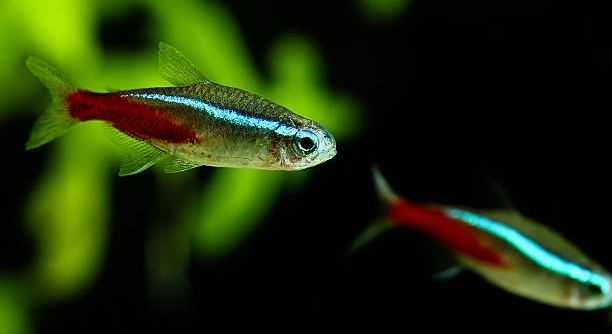
Tetras are popular aquarium fish known for their vibrant colors and lively nature. Many fish owners enjoy watching their bright scales shimmer in the light. Maintaining these colors can take effort, especially when it comes to their diet.
Feeding tetras certain nutrient-rich foods helps enhance and maintain their natural colors. Foods high in carotenoids, vitamins, and proteins support pigmentation and overall health, resulting in brighter, more vivid fish. Consistent feeding of these foods is essential for lasting color improvement.
Knowing which foods boost tetra colors can improve your aquarium’s appearance and your fish’s wellbeing. The right diet makes a clear difference in how your tetras look and thrive.
Foods Rich in Carotenoids for Vibrant Colors
Carotenoids are natural pigments found in many foods that can boost the brightness of your tetras’ scales. These pigments are especially important because fish cannot produce carotenoids on their own. Feeding tetras foods high in carotenoids helps enhance reds, oranges, and yellows, making their colors stand out more. Common sources include spirulina, krill, and certain algae. Adding these to your fish’s diet regularly supports their coloration and overall health. For example, krill flakes are easy to add to most aquarium diets and are well accepted by tetras. Spirulina, a type of blue-green algae, is also a favorite that not only improves color but strengthens immune function. You can find commercial fish foods enriched with carotenoids or mix natural options for a varied diet. Over time, you’ll notice the tetras looking more radiant, which makes your tank more appealing and lively.
Including carotenoid-rich foods consistently will lead to noticeable color improvement.
A balanced diet with carotenoids keeps your tetras healthy and bright.
Protein Sources for Color Enhancement
Protein plays a key role in maintaining bright tetra colors. High-quality protein fuels their growth, repair, and helps sustain vibrant pigmentation. Offering live or frozen foods like brine shrimp, daphnia, or bloodworms provides essential amino acids that processed flakes may lack. These foods mimic what tetras would eat in the wild and encourage natural behaviors. Incorporating them two to three times a week prevents nutritional deficiencies and dullness in their scales. While pellets and flakes are convenient, supplementing with protein-rich treats can make a significant difference. Make sure to feed moderate portions to avoid water quality issues, as uneaten protein-rich foods can spoil quickly. Feeding this way supports both color and energy, making your tetras more active and colorful. You will see healthier fish that stand out beautifully in your aquarium.
Foods High in Vitamins and Minerals
Vitamins and minerals help keep tetras healthy and their colors bright. Foods like spinach, peas, and spirulina provide important nutrients that support their immune system and color.
Leafy greens like spinach are rich in vitamins A and C, which aid in maintaining vibrant pigmentation and overall fish health. Peas offer fiber and nutrients that improve digestion, helping your tetras absorb colors better. Spirulina continues to be an excellent addition, offering not only carotenoids but also essential vitamins and minerals. Feeding a mix of these foods ensures your fish get a wide range of nutrients. This variety helps keep their scales shiny and prevents color fading, especially during stressful periods or seasonal changes.
Including vitamin-rich foods regularly balances the diet and supports your tetras’ natural colors and well-being, keeping them lively and radiant in the tank.
Natural Color Enhancers from the Wild
Certain natural foods found in the wild have ingredients that help brighten tetra colors. These include foods like mosquito larvae and small crustaceans, which are rich in pigments and nutrients.
Mosquito larvae are a great source of natural carotenoids and protein, which help enhance red and orange hues in tetras. Small crustaceans, like daphnia and cyclops, provide valuable nutrients that contribute to healthy skin and color retention. Offering these foods occasionally mimics a more natural diet, encouraging your tetras’ natural coloration processes. Frozen or live versions of these foods can be purchased easily and added to the feeding routine. These natural sources support bright colors by providing nutrients often missing in commercial diets, leading to stronger, more vivid fish. Including these wild-sourced foods can help your aquarium look its best while improving your fish’s health.
Foods with Omega-3 Fatty Acids
Omega-3 fatty acids support healthy skin and scales, which help tetra colors stay bright and vivid. Foods like flaxseed and certain fish oils contain these important fats.
Including omega-3-rich foods in your tetras’ diet also reduces inflammation and supports their overall health, contributing to longer-lasting coloration.
Commercial Color-Enhancing Flakes and Pellets
Commercial flakes and pellets designed to enhance color usually contain added carotenoids, vitamins, and minerals. These foods provide a convenient way to improve your tetras’ pigmentation without extra effort. Many brands use natural ingredients like astaxanthin or beta-carotene, which are proven to boost reds, oranges, and yellows in fish. Feeding these regularly ensures a steady supply of color-supporting nutrients. They also help maintain fish health by balancing protein and vitamins. Using commercial color-enhancers alongside fresh and natural foods creates a well-rounded diet that promotes bright, healthy tetras. This combination keeps your fish looking their best and thriving in the aquarium environment.
Avoid Overfeeding to Maintain Color
Overfeeding can cloud water and stress fish, which dulls their colors and harms health. Feeding the right portions helps keep colors bright.
FAQ
What foods are best for brightening tetra colors?
Foods rich in carotenoids like spirulina, krill, and certain algae are excellent for enhancing tetra colors. Protein sources such as brine shrimp, bloodworms, and daphnia also help maintain vibrant pigmentation. Additionally, vitamin-rich greens like spinach and peas support overall health and color retention. Combining these natural foods with commercial color-enhancing flakes ensures a balanced diet that keeps your tetras looking bright and healthy.
How often should I feed live or frozen protein to my tetras?
Feeding live or frozen protein sources two to three times a week is enough to boost your tetras’ color without risking water quality. Overfeeding can cause excess waste and reduce water clarity, which may stress your fish and dull their colors. Use these treats to supplement regular flakes or pellets, providing variety and essential nutrients.
Can commercial color-enhancing foods replace natural foods?
Commercial color-enhancing foods are convenient and contain added pigments like astaxanthin or beta-carotene. However, they work best when combined with natural foods. Natural foods offer additional vitamins and minerals that help overall health and color vibrancy. A mixed diet provides the most consistent and lasting color benefits.
Are there risks to overfeeding color-enhancing foods?
Yes, overfeeding can lead to poor water quality and fish stress, which dulls colors. It’s important to feed the right amount—only what your tetras can eat in a few minutes. Excess food decomposes and can increase toxins, affecting your fish’s health and appearance.
Do omega-3 fatty acids really affect tetra colors?
Omega-3 fatty acids improve skin and scale health, which helps maintain bright colors. They also reduce inflammation and support overall vitality. Including foods like flaxseed or fish oils in the diet ensures your tetras’ colors remain vivid for longer periods.
How long does it take to see color improvements after changing the diet?
Color changes usually become visible within a few weeks of consistently feeding a color-enhancing diet. The exact time depends on the fish’s health, age, and tank conditions. Patience and regular feeding of nutrient-rich foods are key to achieving brighter, more vivid tetras.
Can stress affect my tetra’s colors?
Stress from poor water quality, overcrowding, or aggressive tank mates can cause colors to fade. Even the best diet won’t fully brighten stressed fish. Maintaining stable tank conditions alongside a proper diet is necessary to keep tetra colors vibrant.
Is it necessary to supplement vitamins if using commercial flakes?
Most commercial flakes already contain essential vitamins, but supplementing with fresh vegetables like peas or spinach can provide extra support. This variety helps improve digestion and nutrient absorption, leading to better color retention and fish health.
Are there any foods tetras should avoid to keep their colors bright?
Avoid feeding tetras excessive fillers or low-quality foods lacking pigments and nutrients. Foods with artificial colors or poor ingredients may harm their health and dull their natural colors over time. Stick to high-quality, nutrient-rich options for the best results.
How important is water quality in maintaining tetra coloration?
Water quality is crucial. Dirty or unbalanced water stresses fish and causes color fading. Regular water changes, proper filtration, and monitoring parameters keep tetras healthy and allow their colors to shine. Diet alone won’t maintain bright colors if water conditions are poor.
Maintaining bright colors in your tetras takes a bit of care and attention, especially when it comes to their diet. Feeding them foods rich in carotenoids, protein, vitamins, and omega-3 fatty acids helps bring out the natural beauty in their scales. These nutrients support their pigmentation and overall health, making the fish look more vibrant. Using a mix of natural foods like spirulina, krill, and live or frozen protein sources, along with commercial color-enhancing flakes, gives tetras a balanced diet. This combination ensures they get the right nutrients regularly without relying on just one type of food.
It’s also important to remember that diet is only part of the equation. Keeping the aquarium clean and stable plays a big role in maintaining your tetras’ colors. Poor water quality or stressful living conditions can cause colors to fade, no matter how good their food is. Regular water changes, proper filtration, and controlling tank population help keep the fish healthy and comfortable. When tetras feel secure and live in a good environment, their colors stay bright and their behavior is more lively. Paying attention to both diet and tank conditions makes a clear difference in how your fish look and thrive.
Finally, patience is key when working to improve tetra coloration. Changes won’t happen overnight. It often takes a few weeks of consistent feeding with the right foods to notice real improvements. During this time, continue to provide variety and maintain good tank care. Avoid overfeeding to keep water clean and your fish healthy. By combining good nutrition, proper tank maintenance, and a steady routine, you will see your tetras become more colorful and active. These simple steps can make your aquarium a more beautiful and enjoyable place to watch.

Hello,
If you enjoy the content that we create, please consider saying a "Thank You!" by leaving a tip.
Every little bit helps us continue crafting quality advice that supports the health, happiness, and well-being of pets around the world, for pets of all shapes, sizes, and species.
We really appreciate the kindness and support that you show us!