
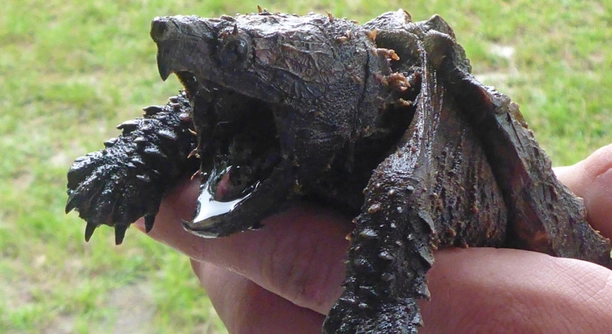
Alligator snapping turtles are known for their remarkable strength and longevity. These turtles rely on a variety of nutrients to maintain a healthy shell. Providing them with the right foods can support their shell’s durability and overall health.
Certain foods, rich in calcium, protein, and other essential nutrients, contribute to stronger shells in alligator snapping turtles. These foods promote bone health and shell resilience, ensuring the turtles’ shells remain intact and functional throughout their lives.
Proper nutrition is key to maintaining the health of these turtles. In the following sections, we will explore seven foods that can help enhance shell strength.
1. Dark, Leafy Greens
Dark leafy greens, such as kale and collard greens, are an excellent source of vitamins and minerals that support shell health. These vegetables are packed with calcium, an essential nutrient for bone strength. Alligator snapping turtles, like many reptiles, need calcium for their shells to grow and stay strong. Calcium aids in maintaining the integrity of the shell, reducing the risk of fractures or deformities.
The benefits of dark leafy greens go beyond just calcium. They are also rich in antioxidants, which help combat oxidative stress. Oxidative stress can negatively impact overall health, including shell condition. Including these greens in your turtle’s diet will give them a healthy and natural boost.
Providing dark leafy greens in their diet doesn’t have to be complicated. Simply chop the greens into smaller pieces and offer them to your turtle. Fresh is best, but frozen options can work too, offering flexibility in meal planning.
2. Fish and Other Protein-Rich Foods
Protein is another important factor for strong shells. Fish, such as tilapia and goldfish, are an excellent protein source for alligator snapping turtles. Protein aids in tissue repair, including shell regeneration, and supports overall growth.
Alligator snapping turtles need protein for healthy growth and development. Including fish or other protein-rich foods in their diet helps provide the building blocks for strong shells. These foods are also high in other essential nutrients that further contribute to a turtle’s overall health.
Fish, like tilapia, offer the right balance of protein and omega-3 fatty acids. These fatty acids are important for joint and skin health, both of which contribute to shell condition. When feeding your turtle, it’s essential to ensure variety and balance. A diet rich in protein will help build a strong, healthy shell that can withstand wear and tear.
3. Shellfish
Shellfish, such as shrimp and crayfish, are an excellent source of calcium and other important minerals. These foods not only strengthen the shell but also offer a healthy dose of protein that supports muscle and bone growth.
These types of shellfish are high in calcium, which is essential for maintaining the turtle’s shell health. Feeding them shrimp or crayfish helps in supporting the overall skeletal structure, ensuring the shell remains strong and durable. They also provide an important source of protein that contributes to tissue repair and overall growth.
Incorporating shellfish into their diet is simple. Offer them whole or chopped into bite-sized pieces. Make sure to feed them in moderation, as excess protein can lead to imbalances. Shellfish provide a natural and effective way to support their shell’s strength.
4. Eggs
Eggs are a rich source of protein, fats, and vitamins, all essential for supporting strong bones and a healthy shell. Including eggs in the diet provides essential nutrients that promote shell resilience and overall growth.
Eggs are packed with essential fatty acids and vitamins that alligator snapping turtles need for shell maintenance. They are a natural source of nutrients like vitamin A, which is vital for skin health and shell regeneration. The protein found in eggs supports tissue repair, while the healthy fats contribute to overall growth and development.
Boiled eggs or scrambled eggs are easy options to incorporate into your turtle’s diet. Offer eggs in moderation to avoid overfeeding. This simple addition to their meals will provide a solid nutritional boost.
5. Carrots
Carrots are a great source of beta-carotene, which supports overall health. This vegetable is also packed with fiber and essential vitamins, contributing to a balanced diet for alligator snapping turtles.
The vitamins in carrots, such as vitamin A, help with the maintenance and repair of the shell. Beta-carotene plays a role in immune system support and general well-being. This root vegetable also provides important antioxidants that help combat damage from free radicals, which can affect shell integrity over time.
Carrots can be offered raw or cooked. Chop them into small pieces to make them easier to eat. This simple addition to the diet can significantly support shell strength.
6. Sweet Potatoes
Sweet potatoes are rich in vitamins A and C, which are beneficial for shell health. These nutrients contribute to overall growth and help the turtle maintain a healthy, strong shell.
The vitamins found in sweet potatoes play a crucial role in skin and shell regeneration. They provide antioxidants that combat oxidative stress, which can lead to weakening of the shell. Additionally, sweet potatoes are high in fiber, which aids in digestion and overall health. Including them in your turtle’s diet will help maintain the strength and appearance of their shell over time.
Offer sweet potatoes cooked and cut into small pieces. This ensures easy consumption and enhances digestibility for your turtle, providing them with the nutrients needed to support shell resilience.
FAQ
What is the best food to strengthen an alligator snapping turtle’s shell?
The best foods to strengthen an alligator snapping turtle’s shell include calcium-rich options like dark leafy greens, shellfish, and fish. These foods help maintain bone health and support shell growth. Incorporating a variety of these foods ensures your turtle receives a balanced diet that promotes shell strength and durability.
How often should I feed my turtle these foods?
Feeding your turtle calcium-rich foods, such as dark leafy greens, shellfish, and fish, two to three times a week is recommended. It’s important to balance these foods with other diet staples, like protein and fiber. Providing variety ensures your turtle gets the necessary nutrients without overloading on any one food.
Can I give my turtle fruits or vegetables?
Yes, fruits and vegetables can be beneficial in moderation. Vegetables like carrots and sweet potatoes are great additions, providing essential vitamins and fiber. However, fruits should be limited because of their high sugar content. Offering these in small amounts ensures your turtle gets a balanced diet without excessive sugar intake.
How can I tell if my turtle’s shell is healthy?
A healthy shell should be firm, smooth, and free from cracks or soft spots. If you notice any deformities or softness, it could be a sign of calcium deficiency or poor nutrition. Regularly check the shell for any signs of damage or wear, and consult a veterinarian if you have concerns.
Is it okay to feed my turtle commercial food?
While commercial turtle food can be convenient, it should not be the sole diet. It’s important to supplement with fresh, whole foods like vegetables, fish, and shellfish to provide a more balanced and nutritious diet. Look for high-quality commercial food with a balance of protein, vitamins, and minerals.
Can I feed my turtle processed food?
Processed foods should be avoided, as they often contain preservatives and additives that aren’t ideal for alligator snapping turtles. Fresh, whole foods are always the best option to ensure your turtle receives the nutrients they need. Feeding processed food may contribute to health problems over time.
What can I do if my turtle’s shell is getting soft?
If your turtle’s shell is soft, it could be due to a calcium deficiency. Ensure that your turtle’s diet includes foods rich in calcium, like leafy greens, shellfish, and fish. Additionally, offering UVB lighting can help your turtle absorb calcium effectively. If the problem persists, consult a veterinarian.
How do I prevent shell damage in my turtle?
To prevent shell damage, make sure your turtle is receiving a balanced diet rich in calcium and protein. Avoid overfeeding, as it can lead to obesity, which puts stress on the shell. Providing a proper habitat with a safe environment, free from rough surfaces, will also help protect their shell.
How long does it take to see results from a better diet?
The effects of a better diet may take a few weeks to a few months to become noticeable. Consistency is key, so stick to a balanced feeding plan. Over time, you’ll notice improvements in your turtle’s shell strength and overall health, especially as they grow and develop.
Can I feed my turtle live prey?
Live prey, such as fish or insects, can be a natural and beneficial part of your turtle’s diet. They provide protein and nutrients that are essential for shell and muscle growth. However, ensure that the live prey is safe and free of parasites before offering it to your turtle.
What happens if I don’t feed my turtle enough calcium?
If a turtle doesn’t get enough calcium, their shell can become soft or malformed. Calcium is crucial for shell growth and repair. A lack of calcium can lead to brittle bones and overall poor health. To prevent this, ensure your turtle receives adequate calcium through their diet and supplements if needed.
Is it necessary to provide vitamin supplements?
Vitamin supplements can be helpful if your turtle is not receiving enough nutrients through food. However, it’s always best to try to meet your turtle’s nutritional needs through whole foods. If you’re concerned about your turtle’s vitamin intake, consult with a veterinarian to determine whether supplements are needed.
Can I feed my turtle too much protein?
Feeding too much protein can lead to imbalances and health issues like kidney problems or obesity. It’s essential to offer protein in moderation, especially from sources like fish, eggs, and shellfish. Balance is crucial in ensuring your turtle’s overall well-being, so stick to a varied diet with appropriate amounts of protein.
Final Thoughts
Ensuring that alligator snapping turtles have a well-balanced diet is essential for maintaining their overall health, particularly the strength of their shells. A variety of foods, including leafy greens, shellfish, fish, and vegetables, provide the necessary nutrients that contribute to a strong, healthy shell. Each of these foods offers specific benefits, such as calcium for bone health, protein for muscle growth, and vitamins for general well-being. By focusing on a diverse and balanced diet, you can support the growth and maintenance of a strong shell that helps protect your turtle in the wild or in captivity.
Along with diet, the environment plays an important role in the health of your turtle’s shell. Proper lighting, including UVB light, is crucial for calcium absorption. This helps prevent soft or brittle shells, which can result from a lack of calcium. Regular check-ups with a veterinarian are also recommended to monitor your turtle’s shell health and catch any early signs of potential issues. Shell health doesn’t only depend on food, but on a combination of good diet, proper care, and a suitable living environment that allows your turtle to thrive.
While it can take time to see results from changes in diet, patience and consistency are key. A balanced diet, along with the right care, will support your turtle’s shell health and overall growth. It’s important to keep track of the food your turtle is eating and make sure that its diet is well-rounded. With the right nutrients, a little attention, and proper care, your alligator snapping turtle can develop and maintain a strong, resilient shell throughout its life.

Hello,
If you enjoy the content that we create, please consider saying a "Thank You!" by leaving a tip.
Every little bit helps us continue crafting quality advice that supports the health, happiness, and well-being of pets around the world, for pets of all shapes, sizes, and species.
We really appreciate the kindness and support that you show us!