
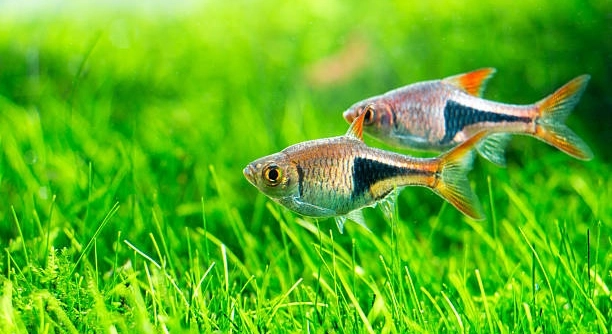
Many aquarium lovers enjoy keeping rasboras for their bright, lively colors. These small fish add beauty to any tank, but maintaining their vibrant hues can be a challenge. Proper care and diet play a big role in enhancing their natural appearance.
Certain foods contain pigments and nutrients that directly influence rasbora coloration. Including ingredients rich in carotenoids, vitamins, and proteins in their diet helps intensify their reds, oranges, and yellows. Consistent feeding with these foods supports healthier, more vivid fish.
Knowing which foods boost rasbora colors can improve both their look and overall well-being. The right diet makes a noticeable difference for anyone passionate about aquarium care.
Carotenoid-Rich Foods
Carotenoids are natural pigments found in many foods that help boost the red and orange colors in rasboras. Feeding them ingredients like spirulina, krill, and shrimp meal adds these essential pigments to their diet. Spirulina is a type of blue-green algae that is full of nutrients and colors. Krill and shrimp meal are small crustaceans high in carotenoids, which fish easily absorb. Including these foods regularly in your rasbora’s diet enhances their vibrant hues and supports overall health. Over time, you will notice the colors becoming deeper and more intense. It’s best to offer a balanced mix of these foods rather than relying on just one source. This variety ensures your fish get all the nutrients needed for bright colors and vitality.
Carotenoid-rich foods are especially important during breeding seasons, as brighter colors can improve mating success and natural behavior.
Adding these pigments to your fish’s diet improves their appearance and well-being, making your aquarium more colorful and lively.
Protein Sources for Color Enhancement
High-quality protein helps build strong, healthy fish with better coloration. Foods such as bloodworms, daphnia, and finely chopped earthworms provide essential amino acids needed for pigment development and overall growth.
Proteins support cell repair and pigment formation, making them crucial in maintaining vibrant colors in rasboras. Bloodworms are rich in nutrients and often a favorite food, while daphnia, small freshwater crustaceans, are great for their natural oils and proteins. Earthworms, when prepared properly, offer a balanced nutritional profile. These protein sources also encourage active behavior, which can make your fish look livelier and more colorful.
Feeding a variety of protein-rich foods ensures that rasboras receive necessary nutrients to develop and maintain their best colors. Combining these with carotenoid-rich items creates a well-rounded diet that promotes healthy, vivid fish. Proper feeding frequency and portion size are important to avoid overfeeding and maintain water quality. Your fish’s colors will improve noticeably when given these foods consistently and in moderation.
Vitamin-Rich Vegetables
Vegetables like spinach, kale, and peas supply vitamins that support rasbora coloration and health. These greens are packed with vitamins A and C, which aid pigment formation and immune function.
Including finely chopped or pureed vegetables in your fish’s diet adds essential nutrients that promote brighter colors. Vitamin A helps maintain the skin and scales, keeping colors vivid, while vitamin C strengthens their immune system to resist diseases. Regular feeding of these vegetables complements protein and carotenoid sources, ensuring your rasboras receive a balanced diet. Preparing vegetables by blanching or steaming makes them easier for the fish to digest. Feeding small amounts prevents leftover waste, which can affect water quality.
Vegetables also add fiber to the diet, improving digestion. This variety keeps rasboras healthy, energetic, and colorful over time.
Natural Color Enhancers
Astaxanthin is a powerful pigment found in certain algae and crustaceans that boosts reds and oranges in rasboras. It is often added to commercial fish foods to enhance color vibrancy.
Natural color enhancers like astaxanthin improve pigment intensity by increasing the production of carotenoids in fish tissues. It acts as an antioxidant, protecting cells from damage and supporting overall health. Foods rich in astaxanthin include krill, shrimp, and some types of algae. Including these in the diet results in deeper, more saturated colors. Over time, fish fed with astaxanthin-rich foods develop brighter shades that make them stand out in any aquarium.
Using natural color enhancers alongside regular food sources can help maintain consistent, vivid coloration and improve the longevity of your rasbora’s beauty.
Live Foods
Live foods like brine shrimp and mosquito larvae provide fresh nutrients that brighten rasbora colors. They stimulate natural hunting behavior, which helps keep fish active and healthy.
Feeding live foods occasionally adds variety and enhances pigment absorption. These foods are rich in proteins and essential fatty acids, improving overall coloration and vitality in rasboras.
Freeze-Dried and Frozen Foods
Freeze-dried and frozen foods retain most nutrients and are convenient options to boost rasbora colors. They often include bloodworms, daphnia, and brine shrimp.
Offering these foods supplements live and dry diets, ensuring a balanced intake of pigments and proteins essential for vivid colors.
Avoid Overfeeding
Overfeeding can reduce water quality and stress rasboras, causing dull colors. Feeding small amounts several times a day is better than one large feeding.
Maintaining clean water and proper feeding helps keep rasboras vibrant and healthy for longer periods.
FAQ
What are the best foods to enhance rasbora colors?
The best foods to boost rasbora colors are those rich in carotenoids and proteins. Spirulina, krill, shrimp meal, bloodworms, and daphnia are excellent choices. These foods provide pigments and nutrients that help deepen reds, oranges, and yellows. Including fresh vegetables like spinach and kale adds vitamins A and C, which also support bright coloration. A varied diet combining these ingredients is key to maintaining vibrant colors in your fish.
How often should I feed color-boosting foods to my rasboras?
Feeding small portions two to three times a day is ideal. Color-enhancing foods should be part of a balanced diet rather than fed exclusively. Rotate between protein-rich, carotenoid-rich, and vitamin-packed foods to avoid nutritional gaps. Overfeeding can cause water quality issues and stress your fish, which dulls their colors.
Can live foods really improve rasbora coloration?
Yes, live foods like brine shrimp and mosquito larvae offer fresh nutrients that are easily absorbed. They stimulate natural hunting instincts and provide essential fatty acids and proteins, which help in pigment production. Feeding live foods occasionally adds variety and improves overall vitality and color.
Are freeze-dried and frozen foods as effective as live foods?
Freeze-dried and frozen foods retain most nutrients and are good alternatives when live foods aren’t available. Bloodworms, daphnia, and brine shrimp in these forms are convenient and still support bright colors. It’s important to soak freeze-dried foods before feeding to prevent digestive issues.
Why do rasbora colors sometimes fade even with a good diet?
Fading colors can result from stress, poor water quality, or illness. Even with a balanced diet, factors like improper tank conditions, overcrowding, or lack of hiding spots can affect coloration. Ensuring stable water parameters and a stress-free environment is as important as feeding the right foods.
How important are vitamins for color enhancement?
Vitamins, especially A and C, support pigment formation and overall health. Vitamin A maintains healthy skin and scales, while vitamin C boosts the immune system. Including vegetable matter like spinach or kale provides these vitamins naturally, helping rasboras keep their bright colors longer.
Can overfeeding affect my rasbora’s color?
Yes, overfeeding can lower water quality by increasing waste, which stresses fish and dulls their colors. It can also cause obesity and health problems. Feeding small amounts multiple times daily and removing uneaten food quickly helps maintain vibrant coloration.
Is it necessary to use color-enhancing supplements?
Supplements can help but aren’t always necessary if the diet is balanced with natural color-boosting foods. High-quality commercial flakes or pellets with added carotenoids can support color but should not replace varied whole foods. Overuse of supplements can cause nutritional imbalances.
How long does it take to see color improvement in rasboras?
With consistent feeding of color-enhancing foods and proper care, noticeable changes usually appear within a few weeks. Individual fish and tank conditions may vary, but patience and steady feeding routines are important for lasting color improvement.
Can stress cause permanent color loss?
Stress can cause temporary color fading, but prolonged stress or illness may lead to longer-lasting dullness. Maintaining good water quality, avoiding overcrowding, and providing hiding places reduce stress, helping rasboras retain their vibrant colors.
Final Thoughts
Keeping rasboras colorful takes more than just good water conditions. Their diet plays a big role in showing off their natural beauty. Feeding them a variety of foods rich in carotenoids, proteins, and vitamins helps bring out brighter and more vivid colors. Including spirulina, krill, bloodworms, and fresh vegetables can make a clear difference in how vibrant your fish look. It is important to balance these foods so your rasboras get the right nutrients without overfeeding, which can harm the tank environment.
Besides diet, paying attention to the overall care of your rasboras is key. Stress, poor water quality, and illness can all cause their colors to fade, no matter how well they are fed. Keeping the tank clean, maintaining stable water parameters, and avoiding overcrowding help create a healthy space for your fish to thrive. When rasboras are comfortable and stress-free, they are more likely to display their best colors naturally. Good lighting and hiding spots can also encourage healthier behavior and better appearance.
Improving your rasboras’ colors is a gradual process that needs patience and consistency. Feeding the right foods regularly and providing a good environment helps your fish stay bright and healthy for a long time. It is not just about quick fixes but about building good habits in feeding and tank care. By paying attention to what they eat and how they live, you can enjoy a colorful aquarium full of lively, beautiful rasboras.

Hello,
If you enjoy the content that we create, please consider saying a "Thank You!" by leaving a tip.
Every little bit helps us continue crafting quality advice that supports the health, happiness, and well-being of pets around the world, for pets of all shapes, sizes, and species.
We really appreciate the kindness and support that you show us!