
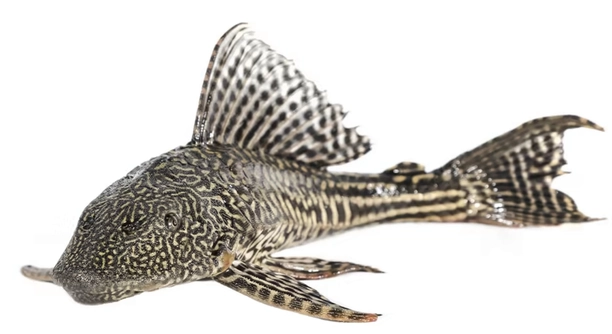
Plecos are fascinating and peaceful creatures, but keeping them healthy requires proper care and attention to their diet. A well-balanced nutrition plan can significantly boost their overall well-being, enhancing both their longevity and vitality.
Certain foods can greatly improve the health of your pleco by providing the necessary nutrients that support growth, digestion, and immune function. Offering a variety of foods, rich in fiber and vitamins, can make a significant difference in their health.
Feeding your pleco a balanced and diverse diet helps maintain its health and well-being. In this article, we will explore seven food options that can improve your pleco’s health and keep them thriving.
1. Spirulina: A Superfood for Plecos
Spirulina is a type of algae that’s loaded with nutrients. It’s high in protein, vitamins, and minerals, making it an excellent food choice for plecos. Including spirulina in their diet helps improve their immune system and supports healthy growth. It also encourages vibrant coloration, especially in the more colorful species of plecos. The rich fiber content in spirulina supports digestion, ensuring your pleco stays healthy and active.
Spirulina can be purchased in powdered form, flakes, or tablets. The easiest way to offer it to your pleco is by adding it to their tank in small portions.
When offering spirulina, make sure to avoid overfeeding. A little goes a long way, and you’ll want to ensure your pleco can consume it all without excess waste accumulating. Some plecos might not be drawn to it immediately, but with time, they usually adapt. Adding a small pinch to their tank regularly can help boost their overall health.
2. Cucumber: A Refreshing Treat
Cucumber is not only refreshing but also an excellent source of hydration for plecos.
This vegetable contains lots of water, fiber, and a small amount of vitamins, making it a great addition to your pleco’s diet. It’s easy to prepare – simply slice it into small pieces or even leave it in larger chunks for plecos that prefer nibbling on something larger. The mild flavor is usually very appealing to plecos, and the crunchy texture helps clean their teeth.
Cucumbers also help with digestion. The fiber promotes healthy bowel movements, while the high water content keeps your pleco hydrated, especially in tank environments that can sometimes be on the drier side. Plus, cucumbers are a safe food to offer regularly without the risk of overfeeding. Just be sure to wash them well before feeding them to your pleco to avoid chemicals from pesticides or wax coatings. Always remove any leftover cucumber to avoid water contamination.
3. Zucchini: A Versatile Veggie
Zucchini is another great vegetable for plecos. It’s packed with water and fiber, which helps keep your pleco hydrated and supports digestion. Zucchini is low in calories, so it’s perfect for regular feeding without worrying about overfeeding.
To prepare zucchini, cut it into thin slices or strips to make it easier for your pleco to nibble. You can also blanch it for a few seconds to soften the texture, which might be more appealing. Plecos tend to enjoy the mild flavor, and it’s a safe choice to add variety to their diet.
One of the main benefits of zucchini is its ability to help your pleco maintain healthy bowel movements. The high fiber content ensures that waste moves through their system efficiently. It’s also a great option for plecos who prefer leafy greens but need something more solid. As with any food, monitor your pleco’s consumption to avoid excess leftover food, which could cause water quality issues.
4. Algae Wafers: A Convenient Staple
Algae wafers are a popular food choice for plecos, designed specifically to meet their dietary needs.
These wafers are packed with essential nutrients, including algae, which provide the vitamins and minerals plecos require for optimal health. They’re easy to use and can be dropped directly into the tank. Algae wafers sink to the bottom, where plecos typically feed. This ensures that your pleco has access to the food without competing with surface feeders.
Algae wafers are not only nutritious but also convenient. They don’t spoil quickly, so they’re an easy option for busy fish owners. Just be mindful of how many you add to the tank. Overfeeding can lead to excess food, which affects water quality. If your pleco isn’t eating all of the wafers within a few hours, you may want to reduce the amount offered.
5. Sweet Potato: A Nutrient-Rich Option
Sweet potato is another healthy food choice for plecos. Packed with vitamins A and C, it provides essential nutrients that support their immune system and overall health. It’s easy to prepare and can be added to their diet regularly for a balanced meal.
To prepare sweet potato, simply peel it and cut it into thin slices or small chunks. You can boil or steam it for a few minutes to soften it, making it easier for your pleco to eat. It’s important to avoid seasoning the sweet potato to keep it safe for your fish.
Sweet potato is an excellent food choice because it is rich in fiber and low in fat, helping to maintain a healthy digestive system. It’s also a great way to diversify their diet with something that’s naturally sweet and full of energy-boosting nutrients. Ensure any leftover sweet potato is removed after a few hours to avoid any water contamination.
6. Romaine Lettuce: A Leafy Green Delight
Romaine lettuce is a simple and affordable option for plecos, full of hydration and fiber.
This leafy green is an excellent supplement to your pleco’s diet, especially for plecos that enjoy nibbling on vegetables. Romaine lettuce is low in calories, so you don’t need to worry about overfeeding. Just tear off a few leaves and let them float in the tank for your pleco to munch on.
The high water content of romaine lettuce ensures your pleco stays hydrated, while the fiber helps maintain a healthy digestive system. Be sure to wash the leaves thoroughly to remove any chemicals before feeding. Like all fresh foods, remove any uneaten lettuce after a few hours to prevent it from decaying in the tank.
7. Green Beans: A High-Fiber Snack
Green beans are another excellent vegetable for plecos. They’re rich in fiber, which helps with digestion.
Green beans can be offered fresh or steamed to make them easier to eat. Just chop them into small pieces, and your pleco will enjoy the crunchy texture. Be sure to avoid using canned green beans, as they often contain added salt, which can harm your pleco.
FAQ
What is the best food to feed my pleco?
The best foods for your pleco include spirulina, algae wafers, zucchini, cucumber, and sweet potato. These foods offer a good balance of nutrients such as protein, vitamins, and fiber, all of which are important for your pleco’s health. You can rotate these foods to keep their diet varied, ensuring they get a range of essential nutrients. A combination of plant-based and high-fiber foods is key to maintaining good digestion and preventing issues like constipation.
How often should I feed my pleco?
Plecos typically should be fed once a day, but this can depend on the individual and their environment. Juvenile plecos might need to be fed more frequently, while adults can be fed every other day if they are getting enough food in their environment. It’s important to avoid overfeeding, as uneaten food can pollute the water and negatively impact water quality. Feeding small amounts once or twice a day is usually sufficient, and you can adjust based on your pleco’s appetite.
Can I feed my pleco vegetables every day?
Yes, vegetables like zucchini, cucumber, and sweet potato can be offered daily. They are an excellent source of hydration and fiber. However, it’s important to maintain a varied diet to make sure your pleco gets a full range of nutrients. While vegetables are great, you should also feed them algae-based foods or algae wafers for necessary protein. The key is balance.
Can plecos eat meat or protein-based foods?
Plecos are primarily herbivores, but they are also opportunistic feeders, meaning they may nibble on small amounts of protein if available. Some species, like the carnivorous plecos, may eat meat more readily. However, for most plecos, their diet should mostly consist of plant matter, algae, and other vegetable-based foods. You can supplement their diet with small amounts of protein, such as brine shrimp or bloodworms, but this should not be the main focus of their diet. Overfeeding protein can lead to digestive issues.
Are algae wafers necessary for plecos?
Algae wafers are not strictly necessary, but they can be an easy and nutritious addition to your pleco’s diet. They are designed to provide the essential vitamins and minerals that plecos need for healthy growth and immune function. Algae wafers are convenient, as they sink to the bottom of the tank, where plecos naturally forage. While they are not a requirement, algae wafers can be beneficial, especially if you want a balanced, hassle-free option for your pleco’s feeding routine.
How do I prepare food for my pleco?
Preparing food for your pleco can be simple. For vegetables like zucchini and cucumber, you can wash them thoroughly and cut them into thin slices or small pieces. Some plecos prefer softer foods, so you can blanch vegetables by briefly boiling them. If you’re feeding sweet potato, peel and cut it into small chunks before cooking it. Avoid adding seasoning, salt, or oils to any of the foods. For algae wafers or other prepared foods, simply drop them into the tank for your pleco to eat.
Can plecos eat fruit?
While plecos are not typically fruit eaters, small amounts of fruit can be offered as an occasional treat. Fruits like apple or pear, with their soft texture, can be safe in moderation. Just be sure to peel the skin and remove any seeds before feeding. Keep in mind that fruit should only be a small part of their diet. It’s high in sugar and not particularly nutritious for plecos compared to vegetables and algae. Offering fruit too often could upset their digestive system.
Is it okay to feed plecos processed foods?
It’s best to avoid processed foods like those meant for humans, such as crackers or bread. These foods are often high in salt, preservatives, and other ingredients that can harm your pleco. Stick to natural, whole foods like vegetables, algae, and algae wafers designed specifically for fish. Processed foods can disrupt the digestive system and may even lead to health issues like bloating or constipation.
What should I do if my pleco is not eating?
If your pleco isn’t eating, there could be several reasons. First, check the water conditions—poor water quality can affect their appetite. Test for high levels of ammonia, nitrites, or low oxygen. Ensure that the temperature and pH levels are suitable for your pleco’s species. It could also be a sign of stress, illness, or an unappealing diet. Try offering a variety of foods and check if they prefer one type over another. If the problem persists for more than a few days, consider consulting an aquatic veterinarian.
Can plecos eat lettuce?
Yes, plecos can eat lettuce, but it should be given in moderation. Romaine lettuce is a good choice since it’s low in calories and provides some hydration. Avoid iceberg lettuce, as it lacks nutrients and has little nutritional value. Romaine lettuce can be offered fresh or lightly blanched for easier consumption. Be sure to remove any uneaten lettuce after a few hours to avoid water pollution.
How can I tell if I’m overfeeding my pleco?
Overfeeding your pleco is a common mistake. Signs of overfeeding include leftover food in the tank, which can lead to poor water quality. Plecos also might become bloated, which is a sign of digestive issues. If your pleco is not actively foraging or seems lethargic, it could be because they’re being overfed. Make sure to feed only what they can consume in a few hours. A good rule of thumb is to provide small amounts of food daily, monitoring their consumption and adjusting as needed.
Can plecos eat all types of algae?
Plecos primarily eat algae, but not all types are suitable for them. They tend to favor soft algae found on surfaces in the tank. While algae is a natural part of their diet, plecos should not be fed excessive amounts of algae from outside sources, like those found in ponds or lakes, as they may contain harmful bacteria or pollutants. Algae wafers and algae-based food formulated for aquarium fish are the safest and most reliable options.
Do plecos need special care when feeding?
Plecos don’t require excessive care when feeding, but their diet should be monitored to ensure they’re eating a balanced variety of foods. Regular feeding of vegetables, algae wafers, and the occasional protein supplement will keep them healthy. It’s essential to maintain good water quality and avoid overfeeding. Providing a stable environment with clean water, proper tank mates, and a suitable diet ensures your pleco remains healthy and happy.
Final Thoughts
Taking care of a pleco involves more than just providing a clean tank. A balanced diet is key to their health and longevity. By feeding them a variety of foods such as algae wafers, vegetables like zucchini and cucumber, and occasional protein sources like brine shrimp, you help meet their nutritional needs. These foods offer the right amount of vitamins, fiber, and minerals to keep your pleco strong and active. It’s important to remember that their diet should consist mainly of plant-based foods with some occasional variety to keep things interesting.
Overfeeding is a common mistake among pleco owners. It’s easy to think that more food means a healthier fish, but that’s not the case. Plecos can develop digestive problems, such as constipation or bloating, if they are fed too much. Monitoring their food intake and only providing small portions they can finish within a few hours is the best practice. This will not only ensure your pleco stays healthy but also help maintain good water quality in the tank. Any leftover food should be removed promptly to avoid water contamination.
Lastly, it’s important to remember that each pleco is different. Some may prefer certain types of food over others, so trial and error might be necessary to find what your pleco enjoys most. Keep an eye on their overall health, and make adjustments to their diet if you notice any changes in their behavior, such as loss of appetite or sluggishness. Providing a well-rounded diet will go a long way in ensuring that your pleco thrives in its environment. With the right care and nutrition, plecos can live long, healthy lives, becoming a fascinating and low-maintenance addition to your aquarium.

Hello,
If you enjoy the content that we create, please consider saying a "Thank You!" by leaving a tip.
Every little bit helps us continue crafting quality advice that supports the health, happiness, and well-being of pets around the world, for pets of all shapes, sizes, and species.
We really appreciate the kindness and support that you show us!