
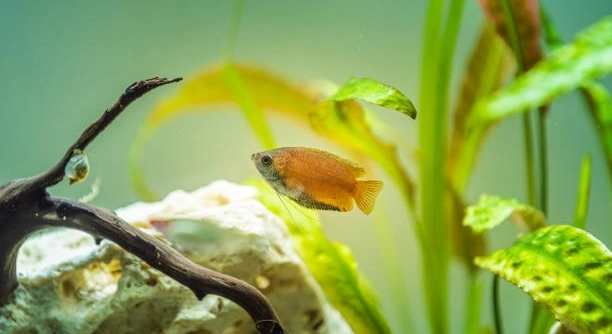
Gouramis are colorful and social fish that respond to their environment in many ways. Their behavior and overall mood can be influenced by diet, making the foods they eat an important factor in their well-being.
Certain foods naturally boost mood in gouramis by providing essential nutrients that support brain function and overall health. Including a variety of high-quality proteins, live or frozen foods, and vitamin-rich vegetables can improve their activity levels, coloration, and general vitality.
Knowing which foods positively affect your gouramis can help maintain a happier and healthier aquarium environment, making your fish more vibrant and interactive each day.
Live Foods for Active Gouramis
Live foods like brine shrimp, daphnia, and bloodworms provide essential nutrients that stimulate gouramis’ natural hunting behavior. These foods are rich in protein, helping support growth, energy, and vibrant coloration. Regular feeding of live foods encourages activity, improving mood and reducing stress. Gouramis that have access to live foods often display more interaction with their environment and other tank mates. Offering a variety of live options prevents dietary boredom and ensures a balanced intake of nutrients. Care should be taken to source live foods from reputable suppliers to avoid contamination. Incorporating these foods two to three times a week alongside regular diet can enhance overall health and increase their immune response, allowing them to thrive in the aquarium. Observing how gouramis respond to different live foods can help determine preferences, making feeding times more engaging for the fish and more enjoyable for the keeper. Proper preparation and occasional rotation of live foods can maximize benefits.
Live foods enhance activity, color, and mood, making gouramis more lively and responsive to their environment consistently.
Including live foods in daily feeding routines encourages natural behavior while preventing nutrient deficiencies. Regular observation ensures they remain healthy, active, and visually vibrant. Gouramis respond to the movement of live prey, which stimulates their senses and provides mental enrichment. While frozen alternatives exist, live options often deliver superior nutritional benefits and encourage physical activity. It is important to maintain cleanliness in the tank to prevent water contamination from uneaten food. Live food feeding can also strengthen social interactions among gouramis, reducing aggression and promoting harmonious behavior. Over time, a diet rich in live foods can contribute to stronger immune systems, helping fish resist common diseases. Balancing live foods with high-quality pellets or flakes ensures that gouramis receive all necessary vitamins and minerals. By providing consistent exposure to live foods, the aquarium becomes a more dynamic and enriching environment, ultimately leading to happier and healthier fish.
Vegetables and Plant Matter
Vegetables such as spinach, peas, and zucchini supply essential vitamins and fiber to gouramis, supporting digestion and overall health.
Gouramis benefit from small amounts of finely chopped or blanched vegetables added to their diet. Fiber promotes digestive regularity and aids nutrient absorption.
Feeding vegetables encourages natural foraging behavior and helps maintain optimal body condition. Peas are particularly helpful for clearing digestive blockages, while spinach and zucchini provide antioxidants that reduce stress. Offering plant matter two to three times per week complements protein-based meals and supports a balanced diet. Proper preparation, such as blanching, ensures vegetables are soft enough for gouramis to eat easily. Rotating different vegetable types maintains interest and provides a broader spectrum of nutrients. Incorporating vegetables into the tank environment can also stimulate exploration and mild interaction with tankmates. While not all gouramis will accept vegetables immediately, patience and consistent presentation often lead to gradual acceptance. A diet with both plant and animal components mirrors natural feeding habits, contributing to mood stability and long-term health. Monitoring intake helps prevent waste and keeps water quality high.
High-Quality Flakes and Pellets
Flakes and pellets provide a balanced source of nutrients and are easy to portion for gouramis. Choosing high-quality options ensures they receive proteins, vitamins, and minerals necessary for growth and overall health.
High-quality flakes and pellets are formulated to meet the dietary needs of gouramis. They deliver consistent nutrition, including essential fatty acids that enhance coloration and support brain function. Feeding measured amounts prevents overfeeding, which can lead to water quality issues and stress in fish. These foods also help maintain a healthy digestive system and support immune function, reducing susceptibility to common diseases. Selecting products with natural ingredients and minimal fillers ensures better nutrient absorption. Combining flakes or pellets with live foods or vegetables creates a varied diet that keeps gouramis active and engaged. Consistent feeding schedules reinforce their natural routine, contributing to overall stability in behavior and mood. Proper storage of flakes and pellets preserves their freshness and nutritional value.
Regular feeding of high-quality flakes or pellets can maintain energy levels and support healthy growth. They are convenient and complement other natural foods in a balanced diet.
Frozen Foods for Nutrient Variety
Frozen foods like bloodworms, brine shrimp, and daphnia offer an alternative source of protein and nutrients. They are convenient, reduce the risk of contamination, and preserve essential vitamins.
Frozen foods retain much of their nutritional content and provide variety to prevent dietary monotony. They are typically cleaned and frozen immediately after harvest, reducing the likelihood of pathogens. Thawing and rinsing before feeding ensures freshness and prevents water contamination. Offering frozen options alongside live and plant-based foods allows gouramis to receive a balanced mix of proteins, minerals, and vitamins. Variety in diet encourages natural foraging and stimulates activity, supporting mental and physical health. It also helps maintain vibrant coloration and supports overall vitality. Observing which frozen foods gouramis prefer can guide future feeding choices, ensuring they remain engaged and nourished.
Including frozen foods occasionally strengthens the diet, enhances activity, and contributes to long-term health. Balanced feeding with frozen and other natural options ensures consistent nutrition and prevents deficiencies.
Small Insects and Crustaceans
Small insects like fruit flies and tiny crustaceans provide protein and natural stimulation for gouramis. They encourage hunting instincts and improve overall activity in the aquarium.
Regularly offering these foods supports muscle development and helps maintain bright coloration. They also introduce variety, keeping gouramis engaged and active.
Spirulina and Algae
Spirulina and algae are rich in vitamins, minerals, and antioxidants that support immune function and promote healthy skin and coloration. Regular inclusion in the diet enhances vitality and overall well-being. Spirulina also contributes to digestive health, supporting nutrient absorption and maintaining energy levels.
Freeze-Dried Foods
Freeze-dried foods like bloodworms or brine shrimp offer a convenient protein source that is easy to store and use. They maintain essential nutrients and provide variety, supporting a balanced diet for gouramis.
How often should I feed my gouramis live foods?
Feeding live foods two to three times per week is sufficient for most gouramis. This provides essential protein and encourages natural foraging behavior without overloading their digestive system. Live foods should complement flakes, pellets, or plant matter to ensure a balanced diet. Overfeeding live foods can lead to water quality issues, so portion control is important. Observing how gouramis respond to different live foods helps determine preferences and ensures they receive adequate nutrition. Rotating types of live foods keeps their diet varied and prevents boredom. Proper sourcing from reputable suppliers reduces the risk of introducing parasites or harmful bacteria into the tank.
Can gouramis eat vegetables every day?
Vegetables should be offered two to three times a week, not daily, to maintain proper digestive balance. Blanched or finely chopped vegetables are easier to digest and prevent blockages. Peas, zucchini, and spinach are particularly effective for supporting digestion and providing vitamins. Overfeeding vegetables may reduce appetite for protein-rich foods, so moderation is important. Including plant matter alongside protein sources ensures a varied diet that supports growth, coloration, and mood. Introducing vegetables gradually helps gouramis accept them, especially if they are not accustomed to plant-based foods. Observing their response allows adjustments to portion size and frequency.
Are frozen foods as nutritious as live foods?
Frozen foods maintain most of the nutritional value of live foods and are a safe alternative. They are cleaned and frozen immediately, reducing the risk of contamination. Thawing and rinsing frozen foods before feeding ensures freshness and prevents water pollution. While they may not fully replicate the activity stimulation of live foods, frozen options provide necessary protein, vitamins, and minerals. Combining frozen foods with live or plant-based foods creates a balanced diet that supports growth, immune function, and coloration. Rotation between frozen and live foods keeps gouramis engaged and maintains variety, which is important for their mental and physical health.
Can I rely only on flakes or pellets for my gouramis’ diet?
Flakes and pellets can meet basic nutritional needs, but they are most effective when part of a varied diet. High-quality formulations include proteins, vitamins, and minerals that support growth and vitality. Relying solely on flakes or pellets may limit stimulation and dietary variety, potentially affecting mood and activity levels. Combining them with live, frozen, or plant-based foods ensures gouramis receive a broader range of nutrients. Proper portioning prevents overfeeding and water quality issues. Observing the fish for signs of stress, dull coloration, or low activity can indicate whether diet adjustments are needed. Including variety enhances overall health and longevity.
How do spirulina and algae benefit gouramis?
Spirulina and algae supply antioxidants, vitamins, and minerals that support immune function and coloration. They improve digestive health and contribute to energy levels, enhancing activity and reducing stress. Regular inclusion in the diet helps maintain a healthy microbiome in the digestive tract, improving nutrient absorption. Spirulina is particularly effective at promoting bright coloration and supporting skin health. Algae in the aquarium can also serve as a natural grazing source, encouraging foraging and exploration. Combining these with protein-rich foods ensures a balanced diet that meets all nutritional requirements. Observing response and adjusting quantities ensures benefits without overfeeding.
Are freeze-dried foods a good option for gouramis?
Freeze-dried foods are convenient, easy to store, and maintain essential nutrients. They offer protein-rich alternatives to live or frozen foods, supporting muscle development and energy levels. While they do not provide the same stimulation as live prey, they are useful for variety and supplementation. Soaking freeze-dried foods briefly before feeding prevents digestive issues and helps rehydrate the food. Including them occasionally alongside other diet components ensures a balanced intake. Freeze-dried options are particularly helpful when live foods are unavailable or when feeding schedules are irregular. Rotating freeze-dried foods with other protein sources maintains engagement and promotes overall health.
Can I mix different food types in one meal for my gouramis?
Mixing foods is beneficial for creating a balanced meal. Combining flakes, frozen foods, and vegetables ensures all necessary nutrients are provided in a single feeding. Care should be taken to avoid overfeeding, as uneaten food can pollute the tank. Observing the amount consumed helps adjust portions. Rotating food types across meals maintains dietary variety and supports natural foraging instincts. Mixed meals also encourage interaction among gouramis, promoting activity and reducing aggression. Maintaining proper tank hygiene and removing excess food keeps water quality high and supports long-term health. A balanced mix of protein, plant matter, and supplements ensures overall well-being and vibrant coloration.
How do I know if my gouramis are happy with their diet?
Signs of satisfaction include active swimming, bright coloration, and consistent feeding behavior. Healthy gouramis explore the tank and interact with tankmates without signs of stress. Clear eyes, smooth scales, and proper body condition indicate adequate nutrition. Regular observation of appetite and behavior helps identify dietary preferences or deficiencies. Mood can also be influenced by environmental factors, so maintaining clean water and appropriate tank conditions is important. Adjusting food types, portions, and frequency based on these observations ensures continued health and engagement. Satisfied gouramis display natural behaviors, making feeding and tank management more rewarding and predictable.
Is variety really necessary for gouramis’ diet?
Variety ensures that gouramis receive all essential nutrients, supports natural foraging behavior, and prevents dietary boredom. A mix of protein, plant matter, live, frozen, and processed foods promotes overall health and coloration. Repeated exposure to different food types enhances acceptance and provides mental stimulation. Variety also prevents reliance on a single food source, reducing the risk of deficiencies. Monitoring their response to new foods allows gradual integration and ensures consistent consumption. Maintaining dietary variety contributes to long-term vitality, resilience against disease, and stable mood, keeping gouramis active and visually appealing in the aquarium.
What precautions should I take when introducing new foods?
Introduce new foods gradually to avoid digestive upset. Observe for reactions such as refusal or bloating, adjusting portions if necessary. Proper preparation, including rinsing or blanching, ensures safety and digestibility. Maintain clean water to prevent contamination from uneaten food. Gradual introduction helps gouramis accept a variety of nutrients while maintaining consistent health.
Feeding gouramis a well-rounded diet is essential for their overall health, mood, and vitality. Including a combination of live foods, frozen options, high-quality flakes or pellets, vegetables, and supplements like spirulina ensures that they receive the nutrients needed for growth, energy, and strong immune function. Each type of food offers unique benefits: live foods encourage natural hunting behavior and physical activity, frozen foods provide convenience while retaining nutritional value, and vegetables supply fiber, vitamins, and minerals that support digestion and overall well-being. By rotating and balancing these foods, you can prevent dietary boredom and maintain consistent engagement with their environment, which directly influences their mood and behavior. Over time, this approach helps gouramis remain active, display vibrant coloration, and interact positively with tankmates, contributing to a healthier aquarium ecosystem overall.
Paying attention to portion sizes and feeding frequency is equally important. Overfeeding can lead to water quality problems, obesity, and stress, while underfeeding may cause nutrient deficiencies and lethargy. Observing how your gouramis respond to different foods can provide valuable insight into their preferences and nutritional needs. Small adjustments, such as varying the type of live or frozen foods offered or introducing new vegetables, can make a noticeable difference in activity levels and overall satisfaction. Maintaining a consistent feeding routine helps establish stability, while gradual changes in diet ensure that their digestive systems can adjust without stress. Cleanliness in the aquarium, including removing uneaten food and monitoring water conditions, supports the effectiveness of a healthy diet. A careful balance between proper nutrition and tank management ensures that gouramis thrive in a safe, stimulating, and nutrient-rich environment.
In the end, the key to supporting happy, healthy gouramis is variety, balance, and attention to detail. Incorporating different food types in moderation ensures they receive all essential nutrients while maintaining interest and mental stimulation. A varied diet strengthens their immune system, supports growth, enhances coloration, and reduces stress, resulting in more active and engaging behavior. Providing the right combination of live, frozen, plant-based, and processed foods helps create an environment that mirrors natural feeding habits, promoting overall well-being. By paying attention to portion sizes, feeding schedules, and responses to different foods, you can maintain their health and improve long-term vitality. A thoughtful approach to diet allows gouramis to thrive and display their natural behaviors, making the aquarium a more lively and enjoyable space. Focusing on proper nutrition, consistency, and variety ensures that your gouramis remain healthy, active, and visually vibrant, which benefits both the fish and the overall aquarium experience.

Hello,
If you enjoy the content that we create, please consider saying a "Thank You!" by leaving a tip.
Every little bit helps us continue crafting quality advice that supports the health, happiness, and well-being of pets around the world, for pets of all shapes, sizes, and species.
We really appreciate the kindness and support that you show us!