
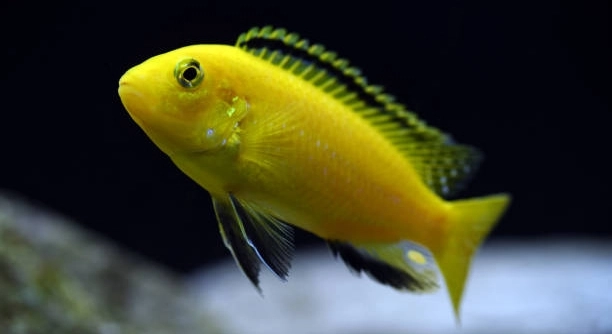
Have you ever looked at your cichlids and wished their colors were just a little more vibrant and defined?
Feeding your cichlids the right natural foods can significantly enhance their coloration. Nutrient-rich ingredients like spirulina, krill, and marigold petals provide pigments and vitamins that support brighter, healthier scales over time.
These natural options are easy to find, safe to use, and can be added to your cichlids’ routine without much effort.
Spirulina: A Powerful Natural Color Enhancer
Spirulina is one of the most effective natural foods for improving cichlid color. This blue-green algae is packed with essential nutrients like carotenoids, proteins, and vitamins that promote vibrant pigmentation. When included in your fish’s diet regularly, it can bring out deeper reds, blues, and yellows, especially in species known for bold coloration. You can find spirulina in flake, pellet, or powder form, and it mixes well with other foods. It also supports immune health, which helps your fish maintain their bright appearance over time. Many hobbyists see visible results within just a few weeks of consistent use.
Adding a pinch of spirulina powder to your cichlids’ meals a few times a week can give their colors a visible boost.
Consistency is important when using spirulina. Gradual changes are healthier for your fish, and too much at once can upset their digestive balance. It’s best used as a supplement, not a replacement.
Krill: Rich in Natural Pigments
Krill contains high levels of astaxanthin, a natural pigment that boosts red and orange shades in cichlids. It also adds protein to support overall growth and health.
Krill is available dried, frozen, or as part of quality pellets. Feeding krill two to three times a week is usually enough to see results. Astaxanthin in krill promotes color development without artificial additives, making it a safe choice for daily feeding routines. Start with small portions, especially if your fish aren’t used to high-protein foods. Freeze-dried krill is a great option for cleaner tanks, while frozen krill works well for fish who enjoy more texture. Over time, the reds and oranges in your fish will become noticeably richer. It also supports reproductive health in many species, which is an added benefit for breeding setups.
Marigold Petals: A Gentle Color Support
Marigold petals are rich in lutein, a natural pigment that can help bring out yellow and orange hues in cichlids. When dried and crushed into their food, marigolds offer a gentle, plant-based way to support brighter colors over time.
Feeding marigold petals works best when paired with other color-enhancing foods. Lutein enhances warm tones, especially in yellow and gold varieties of cichlids. You can either mix crushed petals into homemade gel food or choose pellet blends that already include them. Their mild flavor makes them easy for most fish to accept, especially when introduced gradually. Because marigolds are natural and chemical-free, they’re a safe option for long-term feeding. They also contain antioxidants, which help protect fish cells from stress-related damage, further supporting skin health and vibrant scales. Many keepers notice subtle improvements in tone and sheen after just a few weeks of regular feeding.
To get the best results, combine marigold petals with foods like krill or spirulina to create a balanced diet. Each ingredient plays a unique role in enhancing color, and variety helps mimic what cichlids eat in the wild. Feeding small portions several times a week helps keep them interested while supporting long-term health and coloration naturally, without synthetic additives or dyes.
Carrots: A Source of Beta-Carotene
Carrots are rich in beta-carotene, which supports red and orange pigmentation in cichlids. When finely shredded or blended into homemade fish food, they offer a natural way to enhance color without relying on artificial ingredients.
Beta-carotene converts into vitamin A, which supports skin health and immune function.
Paprika: A Mild Pigment Booster
Paprika contains natural carotenoids like capsanthin that help improve red tones in cichlids. It can be mixed into homemade foods in small amounts. Use only food-grade paprika with no added salt or preservatives to avoid digestive issues or irritation.
Peas: Gentle and Nutritious
Peas offer mild color support while helping with digestion. They’re especially useful for preventing bloating and keeping your fish regular. Steamed and shelled peas can be chopped finely and offered once a week as part of a varied, balanced diet.
What foods naturally boost cichlid color?
Natural foods like spirulina, krill, marigold petals, carrots, paprika, and peas can help enhance cichlid coloration. These foods contain pigments such as carotenoids and lutein, which fish absorb and deposit in their scales. Including a variety of these ingredients in their diet supports vibrant reds, yellows, and blues over time.
How often should I feed color-enhancing foods to my cichlids?
Feeding color-boosting foods two to three times per week is usually enough to see results. Overfeeding rich foods like krill or paprika can upset digestion, so balance is key. Rotate these foods with regular pellets or flakes to maintain a healthy, varied diet without overloading their system.
Can I use only one type of food to improve color?
Relying on a single food is less effective than a varied diet. Different foods provide unique pigments and nutrients that work together to enhance coloration. For example, spirulina offers blue-green pigments, while krill is rich in red carotenoids. Combining them ensures a broader spectrum of color support.
Are natural color-enhancing foods safe for all cichlid species?
Most natural pigments are safe for common cichlid species, but some delicate or specialized fish may react differently. Always introduce new foods slowly and watch for signs of stress or digestive issues. If uncertain, consult species-specific care guides or experienced hobbyists.
How long does it take to see color improvements?
Visible color changes can take several weeks of consistent feeding. Pigment accumulation happens gradually, so patience is important. Short-term changes are subtle, but after one to two months, many hobbyists notice clearer, more vibrant colors.
Can color-enhancing foods replace regular cichlid diets?
No. These foods should supplement, not replace, a balanced diet. Regular, high-quality pellets or flakes provide essential proteins, fats, and vitamins that color foods may lack. Use color foods as supplements to improve appearance and overall health without causing nutritional imbalances.
Will these foods affect cichlid behavior or health?
When fed properly, natural color foods improve health by providing antioxidants and vitamins. However, excessive feeding or poor quality can cause digestive upset or water quality issues. Monitor fish carefully and adjust portions to avoid negative effects.
Are there foods or ingredients to avoid for cichlid coloration?
Avoid artificial color enhancers, dyes, or heavily processed snacks. These can stress fish or cause long-term health problems. Stick to natural, whole-food sources and avoid feeding human snacks like chips or bread, which offer no benefit and can harm water quality.
Can I prepare color-enhancing foods at home?
Yes, many ingredients like spirulina powder, crushed marigold petals, and shredded carrots can be mixed into homemade gel foods or flakes. This lets you control quality and avoid additives. Homemade blends also allow customization based on your fish’s preferences and needs.
Does water quality impact cichlid color as much as diet?
Yes, water quality plays a crucial role. Clean, stable water helps fish maintain healthy skin and scales, allowing colors to shine. Poor water conditions stress fish and dull their appearance, no matter how good their diet is. Maintain regular water changes and monitor parameters closely.
Is there a risk of overfeeding color-enhancing foods?
Overfeeding rich foods like krill or paprika can lead to digestive issues and water pollution. Feed small amounts as supplements rather than main meals. Balancing with regular food and maintaining tank cleanliness prevents health problems while supporting vibrant colors.
What is the best way to introduce new foods to my cichlids?
Start by mixing small amounts of the new food with their regular diet. Gradually increase portions over several days to avoid digestive upset. Observe their reaction and adjust as needed. This method helps fish accept new tastes without stress.
Can breeding cichlids benefit from color-enhancing foods?
Yes, breeding pairs often show better coloration and health when fed pigment-rich diets. Enhanced colors can improve mating displays and overall vitality. Make sure both parents receive balanced nutrition to support egg and fry health as well.
Are frozen or dried color foods better?
Both forms have benefits. Frozen krill retains more moisture and texture, appealing to some fish, while dried krill is convenient and less messy. Spirulina powder and dried marigold petals store well and are easy to mix into feeds. Choose based on convenience and your tank’s needs.
How do I know if my cichlid’s color is improving?
Look for deeper, more intense reds, blues, and yellows. Scales should appear brighter and more uniform in color. Changes may be subtle at first but become clearer after weeks of consistent feeding. Photographing your fish regularly helps track progress objectively.
Can color-enhancing foods help stressed or sick cichlids?
While these foods support overall health, they do not cure illness. Healthy nutrition aids recovery, but treating the underlying cause of stress or disease is essential. Use color foods as part of a broader care plan that includes proper water conditions and treatment when needed.
The colors of cichlids are an important part of their appeal. Natural foods that boost coloration can make a noticeable difference in how vibrant and healthy your fish look. Using ingredients like spirulina, krill, and marigold petals provides the pigments and nutrients that support brighter scales. These foods work gradually, so consistent feeding over time is key. It is not necessary to feed only color-enhancing foods, but rather to include them as part of a balanced diet that meets all of your cichlids’ nutritional needs.
Maintaining good water quality and tank conditions also plays a vital role in keeping your cichlids healthy and colorful. Even the best diet will have limited effects if water parameters are poor or unstable. Regular water changes, proper filtration, and attention to temperature and pH all contribute to the overall well-being of your fish. Healthy fish have stronger immune systems and brighter colors, while stressed or sick fish tend to look dull and faded. Combining a natural, varied diet with good tank care will give you the best results.
It is important to introduce new foods slowly and watch your fish’s reaction. Some cichlids may need time to accept new ingredients like spirulina or paprika, and overfeeding certain foods can cause digestive problems. Using a variety of natural color boosters in small amounts helps prevent any issues and ensures your fish get a wide range of nutrients. Remember that natural color enhancement is a gradual process. With patience and care, you can enjoy the fuller, richer colors of your cichlids while supporting their health and vitality in the long term.

Hello,
If you enjoy the content that we create, please consider saying a "Thank You!" by leaving a tip.
Every little bit helps us continue crafting quality advice that supports the health, happiness, and well-being of pets around the world, for pets of all shapes, sizes, and species.
We really appreciate the kindness and support that you show us!