
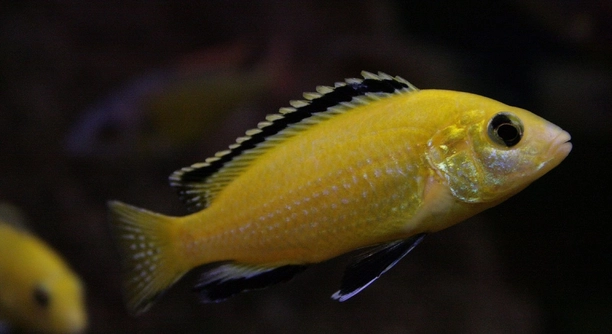
Cichlid fish are popular for their bright, beautiful colors that light up any aquarium. Many fish owners want to help their cichlids show off their best shades. Feeding the right foods is an important way to boost their color quickly.
The best foods for enhancing cichlid color contain natural pigments like carotenoids and astaxanthin. These nutrients help intensify reds, oranges, and yellows, leading to faster and more vibrant color development in cichlids. A balanced diet with these foods supports healthy pigmentation.
Knowing which foods work best can make a big difference in your fish’s appearance and health. This article highlights seven effective foods to help your cichlid’s colors pop in no time.
Foods Rich in Carotenoids
Carotenoids are natural pigments found in many foods that help boost the red and orange hues in cichlids. These pigments cannot be produced by the fish themselves, so feeding them foods high in carotenoids is essential for enhancing their color. Common sources include shrimp, krill, and certain algae. These ingredients are rich in astaxanthin, a powerful carotenoid known for its ability to brighten fish colors quickly. Including these foods regularly in your cichlid’s diet helps maintain vibrant and healthy coloration. Many commercial fish foods also add carotenoids, but fresh or frozen options often provide better results. It is important to balance carotenoid-rich foods with other nutrients to support overall fish health. Overfeeding any one type of food can lead to nutritional imbalances, so variety remains key. Paying attention to what your fish eats can make a big difference in how bright their colors appear.
Carotenoid-rich foods specifically target pigmentation and improve color intensity. Regular feeding can result in visible changes in a few weeks.
Besides boosting color, carotenoids also support the immune system. Krill and shrimp not only add vivid color but provide essential proteins and fatty acids. Spirulina, a type of blue-green algae, is another excellent natural source that can enhance greens and blues. Including a mix of these foods helps your cichlid develop rich, well-rounded colors while staying healthy. When selecting commercial foods, check the ingredient list for natural carotenoid sources. Supplementing with fresh or frozen options can speed up the color-enhancing effects. Feeding these foods consistently while maintaining clean water will give the best results.
High-Quality Protein Sources
High-quality proteins are vital for cichlids’ overall health and color development. Protein supports muscle growth and tissue repair, which contributes to brighter skin and scales. Protein-rich foods include bloodworms, brine shrimp, and finely chopped earthworms. These foods provide essential amino acids necessary for vibrant coloration and healthy metabolism. Including a good variety of protein sources ensures your fish get all the nutrients they need to thrive. Avoid relying solely on flakes or pellets, as they may lack sufficient quality protein for the best color results. Fresh or frozen protein options mimic the natural diet of cichlids more closely and encourage better feeding response. Feeding proteins alongside carotenoid-rich foods balances nutrition and promotes faster color growth.
Protein is a key part of a balanced diet that supports both health and color. Offering diverse protein options improves your cichlid’s vibrancy and vitality.
Fish fed a well-rounded protein diet tend to show more intense color, especially in red and blue shades. Feeding bloodworms and brine shrimp several times a week will keep your cichlids energetic and colorful. These foods also stimulate natural feeding behaviors, which reduces stress. When introducing new protein sources, start with small amounts to avoid overfeeding. Maintaining clean tank conditions along with a nutritious diet enhances the effects of quality proteins on color. A mix of frozen and live options often works best, giving your fish variety and a boost in appearance. This helps them reach their full color potential faster than a diet based only on processed foods.
Foods High in Vitamins and Minerals
Vitamins and minerals are essential for vibrant cichlid color and overall health. Deficiencies can dull their appearance and weaken their immune system.
Including leafy greens like spinach and kale in your fish’s diet adds valuable vitamins like A and C. These nutrients support skin health and coloration. Many prepared foods also contain added vitamins and minerals, but fresh vegetables provide a natural boost. Vegetables should be finely chopped or blanched to make them easier for cichlids to eat. Additionally, mineral-rich foods such as crushed coral or cuttlebone can enhance water hardness and improve pigment development. Maintaining balanced vitamin and mineral intake ensures your cichlids not only look good but also remain active and healthy.
Regularly feeding vegetables and supplements with vitamins and minerals strengthens your fish and enhances their natural colors. Variety in diet keeps nutrition balanced.
Natural Color Enhancers in Commercial Foods
Many commercial fish foods include natural color enhancers derived from ingredients like paprika, spirulina, and marigold petals. These additives help boost red, orange, and green hues effectively. The natural pigments work similarly to carotenoids, providing a convenient way to improve coloration. Look for products labeled as “color enhancing” or “color boosting,” but check ingredient lists to avoid artificial dyes that can harm fish. Feeding these foods alongside fresh ingredients amplifies the color benefits.
Using commercial foods with natural enhancers can speed up color changes, especially when combined with a varied diet. They provide an easy way to maintain consistent color development over time. Choosing high-quality products is key, as lower-quality options may lack effective pigments or nutrients. Combining these foods with frozen or live foods gives the best overall results for bright and healthy cichlids.
Foods Rich in Omega-3 Fatty Acids
Omega-3 fatty acids support healthy skin and vibrant colors in cichlids. These fats help reduce inflammation and keep scales shiny.
Sources like fish oil, krill, and flaxseed provide these essential fats. Including them in your fish’s diet improves color intensity and overall well-being.
Spirulina
Spirulina is a blue-green algae packed with nutrients that enhance green and blue pigmentation. It contains high levels of natural pigments like phycocyanin and chlorophyll. These pigments brighten colors and support immune health. Spirulina can be given as flakes, pellets, or powder mixed with other foods. Regular feeding results in richer, deeper hues, especially in green and blue shades, making it a popular choice for color enhancement.
Beetroot Powder
Beetroot powder contains natural pigments called betalains that can enhance red and purple shades in cichlids. Adding small amounts to food helps deepen these colors without harming the fish. It is a natural, safe way to support vibrant coloration.
How quickly can I expect to see color changes in my cichlid after changing its diet?
Color changes usually start to become noticeable within two to four weeks of feeding color-boosting foods consistently. However, the exact time depends on the species, age, and current health of the fish. Younger, healthier cichlids tend to show faster improvements, while older or stressed fish may take longer. It’s important to maintain clean water and proper tank conditions, as poor water quality can slow down or prevent color development. Patience and consistency with the diet are key to achieving vibrant results.
Can I feed my cichlid only color-enhancing foods?
Feeding only color-enhancing foods is not recommended. While these foods improve pigmentation, they don’t provide all the nutrients your cichlid needs for overall health. A balanced diet including proteins, vitamins, minerals, and fats is essential. Overfeeding one type of food can lead to nutritional imbalances and health problems. Use color-enhancing foods as a supplement alongside a variety of other foods to support both color and well-being.
Are artificial color enhancers safe for cichlids?
Artificial color enhancers are often found in lower-quality commercial foods. These dyes can sometimes stress fish or cause allergic reactions. Natural pigments like carotenoids and spirulina are safer and healthier options. Choosing high-quality foods with natural color enhancers reduces risks and supports long-term health. Always check the ingredient list for synthetic dyes before purchasing.
How much color-enhancing food should I feed my cichlid?
Feed color-enhancing foods in moderation, about 10-20% of the total diet. Overfeeding can cause water pollution and digestive issues. Rotate these foods with regular pellets, vegetables, and proteins to keep nutrition balanced. Small, frequent feedings are better than large amounts at once. This approach helps your cichlid absorb nutrients efficiently and maintain strong coloration.
Does tank environment affect cichlid coloration?
Yes, the environment has a big impact on color vibrancy. Clean water, proper lighting, and suitable tank decor all help your fish show their best colors. Poor water quality can stress fish and dull their pigmentation. Lighting that mimics natural sunlight enhances color visibility. Darker tank backgrounds often make colors stand out more. Maintaining a healthy environment works hand-in-hand with diet to boost coloration.
Can stress cause color fading in cichlids?
Stress is a common cause of color loss. Factors like overcrowding, aggressive tank mates, poor water quality, and sudden changes can stress fish. When stressed, cichlids may lose brightness and display dull or pale colors. Reducing stress through proper tank setup, compatible fish, and stable water parameters helps maintain vibrant colors. A well-cared-for cichlid will display its natural hues more fully.
Are there any risks with feeding live foods for color enhancement?
Live foods like brine shrimp and bloodworms are excellent for color but carry risks if not sourced properly. They can introduce parasites or bacteria into the tank. Always buy from reputable suppliers and quarantine live foods if possible. Frozen or freeze-dried alternatives are safer and still provide good color-boosting benefits. Proper handling ensures live foods improve color without harming your fish.
Can I use supplements to boost my cichlid’s color?
Supplements like vitamin powders or liquid additives can support color development but should not replace a balanced diet. They help fill nutritional gaps and boost immune health. Use supplements according to package instructions and avoid overdosing, which can harm fish and water quality. Combining supplements with high-quality foods and proper care offers the best results for bright coloration.
How does lighting influence cichlid coloration?
Lighting plays a crucial role in how colors appear. Full-spectrum LED lights that mimic natural daylight highlight the fish’s vibrant hues. Poor or overly dim lighting can make colors look faded or washed out. Some lights also promote pigment production in fish. Adjusting light duration and intensity to suit the species helps maintain vivid colors and healthy behavior.
Is it okay to mix different types of color-enhancing foods?
Mixing different color-enhancing foods is beneficial. Each food provides unique pigments and nutrients that work together to improve overall coloration. For example, combining shrimp (rich in astaxanthin) with spirulina (boosts green and blue) creates a fuller color palette. Variety also reduces the risk of nutrient deficiencies and keeps fish interested in their meals. Rotate and combine foods regularly for the best color results.
Feeding the right foods plays an important role in bringing out the best colors in your cichlids. Natural pigments found in certain foods help make their reds, oranges, greens, and blues more vibrant. Including a mix of carotenoid-rich foods like shrimp and krill, protein sources such as bloodworms, and nutrient-packed items like spirulina can boost color quickly and safely. It’s important to remember that a balanced diet with variety supports both bright colors and overall fish health. Relying on just one type of food or artificial additives may harm your fish in the long run.
Along with diet, maintaining a clean and healthy tank environment is essential for color development. Good water quality reduces stress, which can dull the fish’s colors, while proper lighting enhances their natural hues. Darker backgrounds in the tank can also make colors appear more vivid. Feeding color-enhancing foods regularly will show results faster when your fish are comfortable and healthy in their surroundings. Taking care of these basics helps your cichlids stay bright and lively for years to come.
Finally, patience is key. Color changes won’t happen overnight, but with consistent care and feeding, you will notice gradual improvements. Pay attention to your fish’s behavior and appearance, and adjust their diet as needed. Avoid overfeeding or using poor-quality foods that may harm their health. By combining good nutrition, proper tank care, and time, your cichlids will display beautiful, vibrant colors that make your aquarium a colorful and enjoyable space.

Hello,
If you enjoy the content that we create, please consider saying a "Thank You!" by leaving a tip.
Every little bit helps us continue crafting quality advice that supports the health, happiness, and well-being of pets around the world, for pets of all shapes, sizes, and species.
We really appreciate the kindness and support that you show us!