
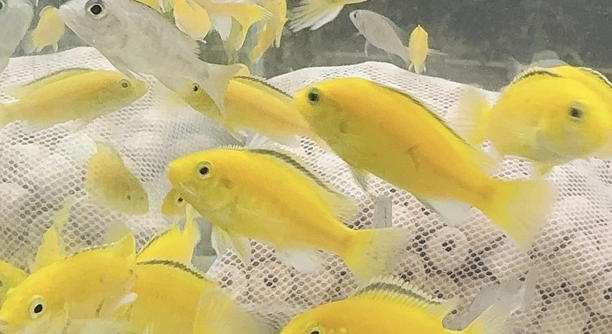
Are your African cichlids showing signs of stress or unusual behavior despite regular feeding and care? It might be related to their diet.
Some foods can negatively affect African cichlids by causing digestive issues, weakening their immune systems, or disrupting water quality. Avoiding harmful ingredients and unsuitable proteins is essential to maintaining their health and preventing long-term problems.
Understanding which foods to avoid can help you create a safer, healthier diet that supports your cichlids’ natural needs and vibrant behavior.
Foods High in Fat
Feeding African cichlids foods high in fat can lead to serious health problems over time. These fish are not built to process large amounts of fat, and doing so may cause liver damage or obesity. Many meaty treats like beef heart or processed foods contain levels of fat that exceed what cichlids need. While occasional treats are fine, making high-fat foods part of their daily diet puts their health at risk. Instead, their meals should mimic what they eat in the wild—mostly plant-based or protein from aquatic sources. A healthy cichlid is active, colorful, and alert. The wrong food choice can slowly take that away, even if everything else in the tank is perfectly maintained. Choosing the right food isn’t just about nutrition; it’s about protecting their quality of life.
Feeding low-fat options like spirulina flakes or vegetable matter can help maintain their health and improve digestion. It also supports natural coloration.
When I started keeping African cichlids, I didn’t know fatty foods could harm them. I thought giving them “meaty” treats would make them stronger. But after noticing sluggish behavior and faded colors, I looked into their dietary needs. Cutting back on fat and switching to plant-based pellets made a visible difference within weeks. Their energy came back, and their colors brightened. Fatty foods may seem like a reward, but they’re often a setback for these fish. Over time, I learned that less is more when it comes to fat in their diet. It’s a simple change that protects their health and keeps them thriving in the tank.
Starchy Vegetables
Starchy vegetables like peas and corn are harder for African cichlids to digest, and they offer little nutritional benefit. These foods can cause bloating and poor water quality when uneaten pieces break down in the tank.
African cichlids are primarily herbivores or omnivores, and their systems are adapted for high-fiber, low-starch diets. Foods high in starch take longer to digest and can ferment in their digestive tract, leading to bloating, constipation, or swim bladder issues. This can be uncomfortable for the fish and stressful for their caretakers. Many flake foods and commercial blends include starchy fillers because they’re cheap and easy to bind into pellets. But just because it’s in the food doesn’t mean it’s good for them. Watch how your fish behave and digest after eating. If you notice them swimming less or developing a swollen belly, their food might be to blame. Instead of peas or corn, focus on green vegetables like spinach or zucchini. These are easier to digest and closer to what they’d naturally eat. Clean eating leads to a cleaner tank and healthier fish.
Processed Fish Food with Fillers
Many commercial fish foods contain unnecessary fillers like wheat, soy, or cornmeal. These ingredients don’t offer real nutrition for African cichlids and can lead to digestive problems or excessive waste in the tank.
I used to buy colorful flake food without checking the label. Over time, I noticed cloudy water and more frequent cleanings. It turns out, many of those flakes were full of low-quality fillers that cichlids couldn’t digest well. Instead of giving them what they needed, I was just polluting the tank and stressing the fish. I switched to high-protein, low-filler pellets made specifically for African cichlids. The water stayed cleaner, and their health improved. Choosing better food made a big difference, not just for the fish, but also for the tank’s maintenance.
Fillers bulk up the product but offer little benefit to your fish. They pass through the digestive system mostly unused, increasing waste and clouding the water. This means more frequent tank maintenance and a higher risk of bacterial blooms. Worse, poor digestion can weaken your fish over time, making them more prone to illness. Look for foods where the first few ingredients are quality proteins like shrimp, fish meal, or spirulina. Avoid anything that lists wheat, corn, or soy early on. It’s a simple label check that can make a big impact. Less filler means more nutrition and healthier fish.
Meaty Foods Intended for Carnivores
African cichlids don’t process heavy meats like beef heart or chicken well. These foods are made for carnivores and can cause bloating or fatty liver disease in herbivorous and omnivorous species like cichlids.
When I first started keeping cichlids, I thought meatier foods would help them grow faster and look more vibrant. I was wrong. Their energy dropped, they showed signs of bloating, and I had more sick fish than usual. After some research, I realized these rich foods were far too heavy for their systems. Meaty treats might work for predators like Oscars, but not for African cichlids. Switching to plant-based foods and insect protein made them more active and less prone to illness. The change was noticeable within weeks.
These meats can also rot quickly in the tank, especially if uneaten, causing ammonia spikes that harm water quality. Even in small amounts, dense animal protein builds up in the digestive system of cichlids and leads to stress. It’s tempting to offer them something “special,” but it’s not worth the risk. Stick to foods designed for herbivores and omnivores. Look for diets that mirror their natural intake, such as algae-based flakes, spirulina, and krill. These options are safer and promote long-term health.
Human Snacks and Table Scraps
Feeding African cichlids human snacks or leftovers can lead to serious health issues. These foods often contain salt, sugar, oils, and spices that are harmful to fish.
Even plain foods like bread or rice break down poorly in water, leading to bloating and poor water quality. Avoid offering any table scraps.
Dairy Products
African cichlids cannot digest dairy. Their bodies lack the enzymes needed to break down lactose, which makes dairy-based foods dangerous for them. Cheese, milk, yogurt, and similar products should never be added to the tank. Even tiny amounts can cause digestive upset, bloating, or water contamination. It’s best to keep all dairy out of reach.
Insects from Outdoors
Feeding wild-caught insects may seem natural, but they often carry pesticides, parasites, or bacteria that can harm fish. It’s safer to use store-bought, fish-safe insects.
FAQ
Can African cichlids eat tropical fish flakes?
They can, but it’s not ideal for their long-term health. Tropical fish flakes often contain ingredients tailored to general community fish, not herbivores or omnivores like African cichlids. Many of these flakes are high in fillers, such as wheat and corn, and low in the plant-based proteins cichlids need. Occasional feeding might not cause immediate harm, but relying on these flakes regularly can lead to nutritional deficiencies, poor coloration, and digestive issues. It’s better to choose flakes or pellets made specifically for African cichlids. These usually include ingredients like spirulina, algae, and fish protein that better meet their dietary needs.
Why do African cichlids bloat after eating certain foods?
Bloating is often caused by feeding foods that are too rich, starchy, or fatty. Starchy vegetables like peas or corn, high-fat meats, and low-quality flakes with fillers can all lead to bloating. These fish have a sensitive digestive system, especially species that are mostly herbivorous. When their diet includes hard-to-digest items, food can ferment in the gut, causing swelling, discomfort, and even swim bladder problems. I’ve seen my own fish slow down and isolate themselves when bloated—it’s stressful to watch. To prevent this, stick to high-fiber, low-starch foods and avoid rich, meaty treats.
Can I feed my African cichlids fruits or vegetables?
Yes, but in moderation and only certain types. Leafy greens like spinach, lettuce, and kale are great. Zucchini and cucumber slices are also safe and easy to digest. Avoid starchy vegetables like potatoes, peas, and corn. Fruits are trickier—some soft, low-acid fruits like peeled grapes or melon can be offered occasionally, but many are too sugary and acidic for regular feeding. Always blanch vegetables first and remove uneaten pieces within a few hours to keep the water clean. When introduced correctly, plant-based options help improve digestion and maintain bright, natural coloration.
Is bloodworm a good food choice for African cichlids?
Bloodworms are not ideal for most African cichlids. Though some cichlids are omnivorous and can handle the occasional protein-rich treat, bloodworms are very fatty and can cause problems if given too often. They’re better suited for carnivorous species like bettas or angelfish. I’ve used them in the past as a treat, but over time, I noticed sluggish behavior and cloudy water. If you want to offer something similar, go with brine shrimp or krill—they’re leaner, easier to digest, and provide good nutrients without the same risks.
How can I tell if food is causing issues in my cichlid tank?
There are several signs. First, look for bloating or a change in swimming patterns—fish that float oddly or stay at the bottom may be experiencing discomfort. Next, check their coloration. Poor diet often leads to faded or dull colors. Uneaten food or cloudy water are also red flags. When I changed to a high-quality pellet and removed fillers and fatty treats, all of these signs disappeared. If issues persist, try simplifying the diet and feeding smaller amounts until you see improvement. Observation and consistency are key to keeping them healthy.
What are the safest daily food options for African cichlids?
The best daily options include spirulina flakes, algae wafers, vegetable-based pellets, and high-quality cichlid-specific foods. These are formulated to support their unique needs. You can supplement with fresh veggies like blanched spinach or zucchini once or twice a week. Avoid changing foods too often, as stability is important. I stick to a core pellet and rotate safe extras sparingly. Feeding twice a day in small amounts helps avoid overfeeding and keeps the tank clean. With a stable, plant-rich diet, cichlids stay energetic, colorful, and active.
Final Thoughts
Feeding African cichlids the right food is essential for their long-term health. These fish have specific dietary needs that differ from many other aquarium species. While they might seem eager to eat anything dropped into the tank, not all foods are safe or beneficial. Offering them the wrong foods can lead to serious problems like bloating, digestive issues, or poor water quality. It’s important to avoid common mistakes, such as feeding processed fish food with fillers, rich animal proteins, or human snacks. Even small treats, if not carefully chosen, can have negative effects over time.
Understanding which foods to avoid is just as important as knowing what to include. African cichlids thrive on a diet that reflects their natural feeding habits. This means prioritizing high-fiber, plant-based ingredients and avoiding anything too rich, fatty, or hard to digest. Foods like spirulina, algae wafers, and properly balanced cichlid pellets are designed with their needs in mind. Occasional fresh vegetables can be a good supplement, but always research what’s safe and introduce new items slowly. Paying attention to labels and watching for changes in behavior or appearance can help you adjust their diet if something isn’t right.
Caring for cichlids involves more than just feeding them—it means creating a balanced environment that supports their health. Clean water, proper tank setup, and a good feeding routine all work together to keep your fish active and colorful. Over time, a stable and appropriate diet leads to fewer health problems and a more peaceful tank. I’ve found that being consistent with their food choices makes a noticeable difference. You don’t need a wide variety of expensive items—just a few quality options used correctly. By avoiding harmful foods and staying informed, you’ll help your African cichlids live healthier, more vibrant lives.

Hello,
If you enjoy the content that we create, please consider saying a "Thank You!" by leaving a tip.
Every little bit helps us continue crafting quality advice that supports the health, happiness, and well-being of pets around the world, for pets of all shapes, sizes, and species.
We really appreciate the kindness and support that you show us!