
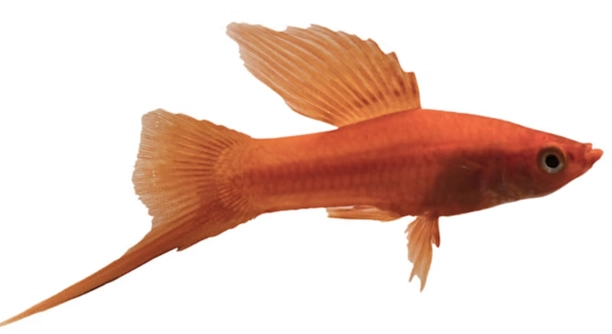
Do your swordtails always seem extra excited when it’s time to eat, but you’re not sure what’s really getting their attention?
Swordtails are naturally drawn to a variety of foods, but certain options consistently spark their interest more than others. High-protein snacks, live or frozen foods, and colorful, moving options tend to excite their feeding instincts the most.
These food choices can help maintain their energy levels, support proper growth, and encourage natural behaviors in your aquarium.
Bloodworms: A High-Protein Favorite
Bloodworms are one of the most tempting foods for swordtails. These tiny red larvae are packed with protein, making them ideal for boosting energy and supporting growth. Whether served live, frozen, or freeze-dried, bloodworms tend to stir up a lot of activity in the tank. Swordtails are visual feeders, so the movement of live or thawed bloodworms makes them even more attractive. Feeding them in small amounts once or twice a week keeps the fish excited and prevents overfeeding. Just be sure to remove any uneaten bits quickly to maintain clean water.
Bloodworms are best used as a supplement, not a staple. Relying on them too much may lead to imbalance.
Their rich protein content supports muscle development and coloration in swordtails. When used correctly, bloodworms can improve health and make feeding time more engaging. Try offering them after a day of flake food to add variety and keep your swordtails interested.
Brine Shrimp: A Nutritious Treat
Brine shrimp are easy to digest and full of nutrients swordtails need to stay healthy and active.
These tiny crustaceans are widely used in fish care for good reason. Their natural movement catches the attention of swordtails quickly, encouraging active feeding. Whether live or frozen, they are an excellent source of protein and essential fatty acids. The soft texture makes them gentle on the digestive system, especially for younger or smaller fish. You can feed brine shrimp several times per week, alternating with flakes or pellets. Hatching live brine shrimp at home can be an affordable way to give your fish fresh food. Swordtails often show brighter colors and more energy when brine shrimp are included in their diet. They’re also less messy than other live foods, which helps in maintaining better water quality. If your swordtails seem less excited during feeding, a few brine shrimp might quickly change that.
Daphnia: A Natural Cleaner and Snack
Daphnia, also known as water fleas, are great for both feeding and digestion. Swordtails enjoy chasing them, which keeps them active and entertained. These small crustaceans also help clear out waste in the digestive tract, making them a healthy snack option.
Daphnia are rich in fiber and easy to digest. When fed regularly in small portions, they support better digestion and can prevent bloating in swordtails. These tiny creatures move quickly in the water, which encourages natural hunting behaviors. They’re available live or frozen, and both forms work well in a feeding routine. Since daphnia are not as protein-heavy as other options, they make a good break from meatier foods like bloodworms. Add them to the diet once or twice a week for best results. Their mild nutritional content helps balance meals, especially if your swordtails are already getting high-protein flakes or pellets.
Feeding daphnia can also help reduce overeating. Because of their high water content, swordtails can eat them without the risk of taking in too much fat or protein at once. This makes daphnia especially helpful for adult fish with slower metabolisms. Offering this food keeps your fish active while supporting long-term digestive health. It’s an easy way to mix things up.
Peas: A Surprising Plant-Based Option
Cooked, skinned peas are great for swordtails. They offer fiber, help with digestion, and give a nice plant-based balance to a protein-heavy diet. Swordtails also enjoy the soft texture, which is easy for them to chew and swallow.
To prepare peas, boil them until soft and remove the outer skin. Then, break them into small pieces before dropping them into the tank. Peas should only be used as an occasional treat—once a week is usually enough. While swordtails are omnivores, a plant-based food like this supports digestive health and can even help clear out minor constipation. It’s best to serve peas in the evening, especially after a day of high-protein feeding. Swordtails may not rush to them the way they do with live food, but once they get a taste, many end up enjoying them. Over time, peas can improve digestion and even reduce the risk of bloating.
Tropical Flakes: A Daily Staple
Tropical flakes are a simple, balanced food that swordtails recognize and enjoy. Most are packed with the right mix of protein, fats, and vitamins to support daily health. They’re easy to portion and perfect for regular feeding.
Pick high-quality flakes made for omnivorous fish. Look for options with added color enhancers and natural ingredients like spirulina or shrimp meal.
Mosquito Larvae: A Tasty Live Snack
Mosquito larvae are a great live food option when you want to offer something more natural. They’re full of protein and very active, which gets swordtails excited. These can be collected from safe sources or bought frozen, and should only be fed occasionally to avoid overfeeding.
Zucchini: A Gentle Veggie Choice
Blanched zucchini slices are a soft, plant-based snack that many swordtails enjoy. They’re easy to prepare and help keep the diet well-rounded without adding excess protein.
FAQ
What are the best foods to feed swordtails?
The best foods for swordtails include high-protein options like bloodworms, brine shrimp, and mosquito larvae. Plant-based foods like peas and zucchini offer a nice balance. Flake food designed for omnivores also makes a great daily staple. Mixing these options keeps your swordtails interested and supports their health.
Can swordtails eat freeze-dried foods?
Yes, swordtails can eat freeze-dried foods, but these should be used sparingly. While convenient, freeze-dried foods lose some of the nutrients that live or frozen foods provide. They can still be a good supplement to the diet, especially if you’re looking for variety, but should not make up the bulk of their meals.
How often should I feed swordtails?
Swordtails should be fed two to three times a day in small portions. Overfeeding can lead to excess waste and poor water quality. It’s better to offer smaller meals more frequently than one large meal. Monitor how much food they consume to avoid leaving leftovers that may pollute the tank.
Can swordtails eat vegetables?
Yes, swordtails can eat vegetables. Blanched zucchini, spinach, and peas are all good options. Vegetables provide essential fiber and help with digestion. However, they should not replace the protein in the diet, as swordtails need both plant and animal-based foods to thrive. Offering vegetables once or twice a week is a good balance.
Are there any foods swordtails should avoid?
Avoid feeding swordtails foods that are high in fat or sugar, such as processed human snacks or bread. Also, avoid feeding them any toxic plants or chemicals. Some aquarium plants or fruits may not be safe, so it’s essential to check that food is suitable for fish before offering it.
Can swordtails eat live plants?
Swordtails may nibble on live plants, especially if there is a lack of food or variety. While some grazing is natural, they should not rely on plants for sustenance. Some plants can be toxic to them, so it’s important to ensure that any plants in the tank are safe for consumption.
Do swordtails need live food?
Live food is not a necessity for swordtails, but it can stimulate their natural hunting instincts and provide variety in their diet. Live options like brine shrimp or mosquito larvae are often more exciting for them and help keep them engaged during feeding time. That said, high-quality frozen or flake foods can provide all the nutrients swordtails need.
Can swordtails eat frozen food?
Yes, swordtails can eat frozen food, and it’s often more nutritious than freeze-dried options. Frozen bloodworms, brine shrimp, and daphnia are excellent choices. Just make sure to thaw the food properly before feeding, as frozen food can be too cold for fish and may cause digestive issues.
How do I prevent overfeeding my swordtails?
To prevent overfeeding, always observe how much food your swordtails actually eat in a few minutes. Remove any uneaten food after 3-5 minutes to maintain water quality. It’s also important to feed based on their size and age—young swordtails may need smaller portions compared to adults.
Is it okay to feed swordtails commercial pellets?
Commercial pellets are a convenient option and can be a good part of a swordtail’s diet. Choose pellets that are formulated for omnivores, as swordtails require both plant and animal-based foods. Pellets should be offered in moderation alongside other food types to ensure a varied and balanced diet.
How can I encourage swordtails to eat new foods?
If your swordtails are hesitant to try new foods, try offering smaller portions and gradually introducing the new items. Mixing new foods with their favorite treats can also help. For example, if they love brine shrimp, mix in some peas or zucchini to slowly get them accustomed to the new tastes and textures.
Can swordtails eat shrimp?
Swordtails can eat shrimp, but it depends on the type. They can eat small shrimp like freshwater ghost shrimp, but they should not be fed adult shrimp that might pose a risk of injury. It’s essential to ensure the shrimp is appropriately sized and safe for consumption.
Final Thoughts
Swordtails are relatively easy to care for when it comes to feeding, but offering a balanced and varied diet is essential for their health. They enjoy a wide range of foods, from protein-rich bloodworms to plant-based options like peas and zucchini. Mixing live, frozen, and dry foods will keep your swordtails interested during feeding time and provide them with all the nutrients they need. When feeding, always remember to monitor portion sizes to avoid overfeeding, which can affect water quality and fish health.
It’s also important to consider the size, age, and activity level of your swordtails when deciding on the right food. Younger or smaller fish may need more frequent feedings with smaller portions. Older swordtails, on the other hand, may require less food, especially if they have slower metabolisms. While swordtails can adapt to a variety of foods, it’s essential to offer food that aligns with their natural omnivorous diet. This includes both animal-based and plant-based options to keep them in the best shape possible.
Lastly, always be mindful of the water conditions in your tank. Uneaten food can quickly break down, affecting water quality and leading to potential health issues for your swordtails. Make sure to clean up after feeding and test your tank’s water regularly to keep it safe. By providing a nutritious and varied diet, you can ensure your swordtails thrive in a healthy, happy environment.

Hello,
If you enjoy the content that we create, please consider saying a "Thank You!" by leaving a tip.
Every little bit helps us continue crafting quality advice that supports the health, happiness, and well-being of pets around the world, for pets of all shapes, sizes, and species.
We really appreciate the kindness and support that you show us!