
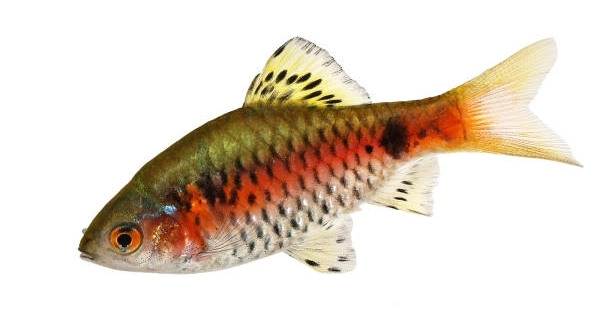
Rosy barbs are colorful freshwater fish often kept in home aquariums. Feeding them the right foods helps keep them healthy and vibrant. Knowing what they enjoy and what to avoid can improve their well-being.
Rosy barbs thrive on a balanced diet that includes high-quality flakes, live or frozen foods like brine shrimp, bloodworms, and daphnia, as well as plant matter such as spirulina and blanched vegetables. Foods to avoid include fatty or processed items, large pellets, and anything that could pollute the tank.
Choosing the right diet ensures your rosy barbs stay active and healthy, making your aquarium a lively and beautiful environment.
Best Flake Foods for Rosy Barbs
Flake foods are a common staple in feeding rosy barbs. They provide a balanced mix of nutrients needed for daily health. Choose flakes made specifically for tropical fish, as they contain the right vitamins and minerals. It’s important to avoid flakes that are too large or crumble easily, as this can pollute the water. Feeding flakes in small amounts two to three times a day keeps the fish healthy without overfeeding. Fresh flakes keep the water cleaner and reduce the risk of digestive problems. Rotating different brands or types can also help ensure your fish get a varied diet. While flakes alone can sustain rosy barbs, combining them with live or frozen foods improves their diet quality. This helps maintain their bright colors and active behavior. Flakes are easy to store and feed, making them a convenient option for many fish keepers.
Flake foods alone are enough for daily feeding but should be supplemented for best health.
Using flakes as a base, add variety with frozen or live foods to provide essential proteins. Avoid overfeeding flakes to prevent water quality issues. Feeding small portions and removing leftovers will keep the aquarium clean and your rosy barbs thriving.
Live and Frozen Foods to Include
Live and frozen foods like brine shrimp, bloodworms, and daphnia are excellent protein sources for rosy barbs. These foods closely mimic what they would eat in the wild, helping them stay energetic and colorful. Feeding live foods occasionally encourages natural hunting behavior, which is good for their mental stimulation. Frozen options are convenient and safer from parasites than live foods but still offer high nutrition. It’s important to thaw frozen food properly before feeding to avoid lowering the tank’s temperature. These protein-rich foods support growth and immune health, especially for young or breeding fish. Use these foods in moderation, combined with flakes and plant matter, to maintain balance. Overfeeding protein can lead to water pollution, so monitor amounts carefully. Supplementing with live or frozen foods improves overall fish vitality and can help reduce stress.
Adding live or frozen foods occasionally boosts nutrition and keeps your rosy barbs lively. Be mindful of quantities to maintain water quality. Proper storage and handling of these foods also prevent health risks. Using a balanced mix supports your fish’s long-term well-being and vibrant appearance.
Vegetables and Plant-Based Foods
Rosy barbs enjoy eating plant-based foods, which provide essential fiber and nutrients. Blanched vegetables like spinach, zucchini, and peas are great options to include in their diet. These help with digestion and add variety.
Blanching softens vegetables, making them easier to eat and digest. Peas are especially useful to prevent constipation, a common issue in aquarium fish. Spinach and zucchini offer vitamins and minerals that support overall health. Feeding small amounts of these vegetables two to three times a week adds important plant matter to their diet. Overfeeding vegetables should be avoided, as it can cause water quality problems.
Including plant-based foods improves your rosy barbs’ digestive health and nutrient intake. This variety helps keep their immune systems strong and adds natural color to their scales. Combining vegetables with flakes and protein-rich foods creates a well-rounded diet that supports their active lifestyle and bright appearance.
Foods to Avoid for Rosy Barbs
Avoid feeding rosy barbs fatty or processed foods, as these can harm their health and water quality. Large pellets or bread crumbs should also be skipped because they may be too big to digest properly.
Processed foods often contain fillers and preservatives that don’t benefit the fish and can pollute the tank. Large pellets may cause choking or digestive issues. Bread crumbs and human snacks are not designed for fish and can lead to illness. Feeding scraps from your own meals introduces harmful ingredients and should be avoided. Always choose foods made for aquarium fish and follow feeding guidelines. Maintaining good water quality is easier when avoiding harmful or unsuitable foods.
Keeping your tank clean and your fish healthy means carefully selecting what you feed them. Avoiding unsuitable foods reduces health risks and prevents water pollution. This attention helps your rosy barbs thrive and keeps your aquarium environment stable and pleasant.
Feeding Frequency and Portion Size
Feeding rosy barbs small amounts two to three times a day works best. Overfeeding can lead to water pollution and health problems.
Portion control is important—only give what they can eat in a few minutes. Remove leftover food to keep the tank clean and safe for your fish.
Signs of Overfeeding and How to Adjust
Overfeeding often shows as uneaten food, cloudy water, and sluggish fish. Fish may also develop swollen bellies or digestive issues. Adjust feeding by reducing portions and frequency until the water clears and fish regain energy. Keeping a consistent schedule helps maintain balance in the aquarium.
Treats and Supplements
Occasional treats like freeze-dried foods can add variety but should be given sparingly. These treats provide extra nutrients but must not replace a balanced diet.
Avoiding Tank Pollution
Removing uneaten food quickly prevents decay and helps keep water quality high. Clean tanks mean healthier rosy barbs.
FAQ
What is the best daily diet for rosy barbs?
The best daily diet combines high-quality flake foods with occasional live or frozen protein sources. Feeding small amounts two to three times a day helps maintain their health without overloading the tank. Adding plant-based foods like blanched vegetables once or twice a week supports digestion and overall wellness.
Can rosy barbs eat only flakes?
While flakes alone can sustain rosy barbs, a diet solely based on flakes lacks variety and some nutrients. Supplementing flakes with live, frozen, or plant-based foods improves their nutrition and keeps them active and colorful. Variety helps mimic their natural diet more closely.
How often should I feed live or frozen foods?
Live or frozen foods should be given a few times a week, not daily. These protein-rich options boost growth and immune health but overfeeding can pollute the tank. Moderation ensures your fish benefit without water quality issues.
Are vegetables necessary in their diet?
Vegetables are important for fiber and vitamins. Blanched peas, spinach, and zucchini help digestion and add nutrients that flakes and proteins don’t provide. Feeding vegetables two to three times a week offers a good balance.
What foods should I avoid?
Avoid fatty, processed foods, large pellets, bread crumbs, and human snacks. These can cause digestive problems, water pollution, and even illness. Stick to foods made specifically for tropical fish to keep your tank clean and your rosy barbs healthy.
How do I know if I am overfeeding?
Signs of overfeeding include leftover food, cloudy water, sluggish fish, and swollen bellies. If you notice these, reduce the amount or frequency of feeding. Always feed only what your fish can finish in a few minutes.
Can rosy barbs eat freeze-dried foods?
Freeze-dried foods are good occasional treats but should not replace regular meals. They add variety and nutrients but can cause bloating if overused. Soak freeze-dried foods before feeding to make them easier to digest.
How important is feeding schedule consistency?
Keeping a consistent feeding schedule helps your rosy barbs maintain good health and reduces stress. Fish learn when to expect food, which encourages regular eating habits and prevents overeating.
What should I do with uneaten food?
Remove uneaten food quickly to prevent decay and water pollution. This helps maintain good water quality and keeps your fish healthy. Use a net or siphon to clean leftovers after feeding.
Can rosy barbs eat commercial pellets?
Pellets that are too large should be avoided because they can be difficult for rosy barbs to eat and digest. If you use pellets, choose small sizes specifically made for similar-sized tropical fish.
Is it okay to feed rosy barbs human food scraps?
Feeding human food scraps is not safe for rosy barbs. Ingredients in these foods can be harmful and disrupt their diet. Always provide foods designed for aquarium fish to avoid health issues.
How does diet affect rosy barbs’ color?
A varied diet with quality protein and plant matter enhances their natural color. Foods rich in carotenoids, like brine shrimp and spirulina, help keep rosy barbs bright and vibrant.
What is the role of fiber in their diet?
Fiber from vegetables aids digestion and prevents constipation, a common problem in aquarium fish. Including fibrous foods like peas improves overall health and helps waste pass more easily.
Can rosy barbs survive on frozen foods alone?
Frozen foods alone can meet nutritional needs for a time, but a balanced diet with flakes and plants is better for long-term health. Frozen foods lack some vitamins and minerals found in other food types.
How much should I feed at each meal?
Feed only as much as your rosy barbs can eat within two to three minutes. This prevents leftovers and water contamination. Small, frequent meals work best to keep them healthy.
Is it okay to feed rosy barbs daily live foods?
Daily live foods are not recommended. While nutritious, too much protein can cause water pollution and health issues. Use live foods as a supplement rather than the main diet.
Do rosy barbs eat algae?
Rosy barbs may nibble on algae, but it should not be relied on as a primary food source. Providing other plant-based foods is better for their nutrition.
What if my rosy barbs refuse certain foods?
If they refuse a food, try offering smaller pieces or different types. Fish can be picky, but a varied diet encourages better eating habits. Be patient and introduce new foods gradually.
How can I transition my rosy barbs to new foods?
Mix new foods with their current diet, slowly increasing the amount over several days. This helps avoid stress and digestive problems. Observing their reaction helps you know what they prefer.
Are there supplements needed for rosy barbs?
Supplements are usually unnecessary if you provide a balanced diet. However, vitamins or minerals can be added if a deficiency is suspected, but this should be done carefully.
How do water conditions affect feeding?
Good water quality improves digestion and nutrient absorption. Feeding less and removing leftovers prevents waste buildup, keeping the tank clean and your rosy barbs healthy.
What should I do if my rosy barbs stop eating?
Check water quality, temperature, and tank conditions. Stress or illness can cause appetite loss. Offering live foods or adjusting feeding times may help stimulate eating.
Can baby rosy barbs eat the same foods as adults?
Baby rosy barbs need smaller, softer foods like finely crushed flakes or baby brine shrimp. As they grow, you can gradually introduce larger foods and more variety.
How important is variety in their diet?
Variety helps provide all necessary nutrients and prevents boredom. Feeding a mix of flakes, live, frozen, and plant-based foods supports overall health and color.
Feeding rosy barbs the right foods is important to keep them healthy and active. A balanced diet includes good-quality flakes as a base, along with live or frozen foods like brine shrimp or bloodworms, and plant-based foods such as blanched vegetables. Each type of food offers different nutrients that help your fish grow strong, maintain bright colors, and stay energetic. Feeding small amounts multiple times a day works best, as overfeeding can lead to poor water quality and health problems. Paying attention to the portion size and feeding schedule helps create a stable environment for your fish.
It is just as important to know which foods to avoid. Fatty, processed foods, large pellets, bread crumbs, and human snacks are not suitable for rosy barbs. These can cause digestive troubles or pollute the tank water, which makes it harder to keep the fish healthy. Sticking to foods made specifically for tropical fish reduces these risks. Keeping the tank clean by removing leftover food quickly helps maintain good water quality. Clean water supports the fish’s immune system and overall well-being. When you provide a proper diet and a clean environment, your rosy barbs will thrive and bring more life and color to your aquarium.
Finally, variety is key. Feeding a mix of flakes, live or frozen proteins, and plant-based foods ensures your rosy barbs get all the nutrients they need. Variety also keeps feeding interesting and encourages natural behaviors. Watching your rosy barbs grow and stay vibrant is rewarding, especially when you know you are giving them the best care. By following simple feeding guidelines and avoiding harmful foods, you can enjoy a healthy and lively aquarium. Your rosy barbs will thank you with their bright colors and lively swimming.

Hello,
If you enjoy the content that we create, please consider saying a "Thank You!" by leaving a tip.
Every little bit helps us continue crafting quality advice that supports the health, happiness, and well-being of pets around the world, for pets of all shapes, sizes, and species.
We really appreciate the kindness and support that you show us!