
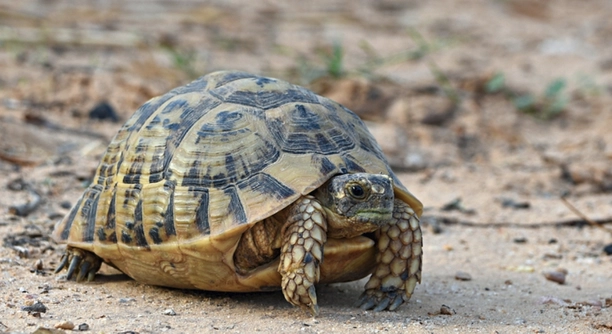
Greek tortoises are known for their love of variety in their diets. Their feeding habits can surprise those who think they only enjoy specific plants. Offering a range of foods can keep them happy and healthy.
Greek tortoises are omnivores, enjoying a variety of foods beyond their typical plant-based diet. They often delight in certain fruits, vegetables, and even herbs that may not be immediately obvious. These foods can be beneficial for their overall well-being.
This guide will introduce you to surprising foods that Greek tortoises enjoy and help you provide a well-rounded diet.
Fruits Greek Tortoises Love
Greek tortoises can enjoy a variety of fruits. These treats offer a different texture and flavor compared to their usual greens, which can make them exciting for your tortoise. However, moderation is key when feeding fruits, as they tend to be high in sugar. Some fruits like strawberries, apples, and melons are safe and beneficial for tortoises when offered in small portions.
Offering fruit as a treat is a great way to provide some variety. Just be sure to remove seeds from fruits like apples to avoid any choking hazards. You can cut the fruit into small pieces to make it easier for them to consume.
Fruits contain essential vitamins and minerals that are beneficial for Greek tortoises. For example, melons are hydrating, and strawberries offer vitamin C, helping to boost the tortoise’s immune system. Just remember, fruits should not replace their main diet, which should still consist of high-fiber, leafy greens and other plant-based foods.
Vegetables and Herbs Greek Tortoises Enjoy
Greek tortoises can also enjoy a range of vegetables and herbs. Some common favorites include dandelion greens, clover, and collard greens. These greens are rich in essential nutrients like calcium and fiber, supporting their digestive health.
The key to feeding tortoises leafy greens and vegetables is offering variety. Each vegetable has different nutritional benefits, so rotating their diet can ensure they receive a well-rounded mix. Just be cautious with some high-oxalate vegetables like spinach, which should only be given in moderation.
Herbs like parsley, basil, and thyme also make great additions to their diet. These plants offer not only variety but also natural flavors that can entice even the pickiest eater. Fresh herbs are also a good source of vitamins and minerals, ensuring the tortoise remains healthy and active.
Flowers Greek Tortoises Can Eat
Greek tortoises can safely eat various flowers, which add color and variety to their diet. Flowers like dandelions, hibiscus, and pansies are excellent choices for feeding tortoises. These flowers are rich in vitamins and antioxidants, promoting good health.
Dandelions are particularly beneficial as they provide a good balance of calcium and fiber. They also support a tortoise’s immune system and digestive health. Hibiscus flowers, on the other hand, are a rich source of vitamin C, which boosts the immune system. Offering flowers should be done sparingly, ensuring they are pesticide-free and safe for consumption.
Adding flowers to your tortoise’s diet not only makes it more interesting but also helps fulfill their nutritional needs. You can offer a variety of fresh, edible flowers throughout the week, but always make sure they are clean and safe.
Grasses Greek Tortoises Enjoy
Greek tortoises are grazers and enjoy a variety of grasses. Grasses such as timothy hay and Bermuda grass are staples in their diet. They provide the necessary fiber for healthy digestion and help keep their gut functioning well.
Fresh grass can be a great addition to their diet, but it’s essential to ensure it hasn’t been treated with chemicals or pesticides. Avoid grasses from areas that might be contaminated, such as lawns that have been sprayed for pests or fertilized. Offering fresh, organic grasses is the best way to ensure their safety.
In addition to grass, you can also offer your tortoise dried grasses like hay. These are not only a great fiber source but also contribute to keeping their shell in good condition. Grasses, in all forms, should make up a large part of their daily meals.
Mushrooms Greek Tortoises Can Safely Eat
Greek tortoises can eat certain mushrooms, but they need to be carefully selected. Some mushrooms are toxic, so it’s important to only offer safe varieties. Edible mushrooms like button mushrooms and shiitake are good options.
Always ensure the mushrooms are fresh and pesticide-free. They should be thoroughly washed to remove any contaminants. Offering mushrooms in moderation can add a different texture to their diet while providing some vitamins and minerals.
Safe Seeds for Greek Tortoises
Some seeds are safe for Greek tortoises and can be a fun treat. Pumpkin and sunflower seeds are good choices for occasional feeding. They provide healthy fats and protein.
When offering seeds, avoid salted or processed varieties. Stick to natural seeds that are free from harmful chemicals. Small amounts can add variety to their diet without overloading them with fats.
FAQ
Can Greek tortoises eat lettuce?
Greek tortoises can eat lettuce, but it should not be a major part of their diet. Iceberg lettuce, in particular, lacks the necessary nutrients and can cause diarrhea if fed in large amounts. Romaine lettuce, on the other hand, is a better option. However, lettuce should be given as an occasional treat, not as a staple food. To provide a balanced diet, offer a variety of leafy greens such as collard greens, dandelion leaves, and mustard greens instead.
What fruits are safe for Greek tortoises?
Fruits can be offered in moderation to Greek tortoises. Safe fruits include strawberries, raspberries, apples, pears, and melons. These fruits are rich in vitamins and antioxidants, which can help support the tortoise’s immune system. However, due to their high sugar content, fruits should be given sparingly, making up only about 10-15% of their diet. Always remove seeds from fruits like apples to avoid choking hazards.
Are cucumbers good for Greek tortoises?
Yes, cucumbers are safe for Greek tortoises and can be offered in small amounts. Cucumbers have a high water content, which helps keep tortoises hydrated. While cucumbers are low in nutrients, they can be a good hydrating snack, especially during the warmer months. Just ensure that the cucumbers are fresh and clean, and remove the seeds if necessary.
Can Greek tortoises eat flowers?
Greek tortoises enjoy eating edible flowers, and many varieties are safe for them. Dandelion flowers, hibiscus, and pansies are great options to offer your tortoise. These flowers are rich in nutrients, including vitamins A and C. Make sure to only feed flowers that are pesticide-free and have not been treated with any chemicals. Flowers should be offered as a treat rather than a main food source.
Is it safe to feed Greek tortoises carrots?
Carrots can be safely fed to Greek tortoises, but they should be given in moderation. Carrots are high in sugar, so offering them too often can lead to weight gain and digestive issues. A small amount of grated carrot mixed with other vegetables or leafy greens can make a tasty and nutritious addition to their diet. Carrots also provide a good source of beta-carotene, which supports their vision and overall health.
What vegetables should be avoided for Greek tortoises?
Some vegetables should be avoided in a Greek tortoise’s diet due to their high oxalate content, which can interfere with calcium absorption. These include spinach, beet greens, and Swiss chard. Additionally, avoid feeding them starchy vegetables like potatoes and corn, which can upset their digestive system. Always ensure that the vegetables offered are fresh, clean, and pesticide-free.
Can Greek tortoises eat meat or insects?
While Greek tortoises are primarily herbivores, they are also omnivores in the wild and may consume small amounts of animal matter. In captivity, some tortoises may be offered occasional insects like crickets or mealworms. However, animal-based foods should be given sparingly. Their primary diet should be made up of plants, with a focus on leafy greens, grasses, and vegetables.
How often should I feed my Greek tortoise?
Greek tortoises should be fed once a day. It’s important to provide fresh food daily, offering a variety of leafy greens, vegetables, and occasional fruits. Ensure the food is balanced and nutrient-rich. If you are feeding a variety of food items, consider rotating them to prevent boredom and to ensure your tortoise receives a wide range of nutrients. Always remove any uneaten food to avoid attracting pests.
Can Greek tortoises eat seeds?
Greek tortoises can eat certain seeds, but they should be given in moderation. Seeds from pumpkins, sunflowers, and melons are generally safe and can be a fun treat. However, too many seeds, especially high-fat varieties, can lead to obesity and other health issues. Offer seeds as an occasional snack, not as a regular part of their diet.
Should I give my Greek tortoise calcium supplements?
Calcium supplements are important for Greek tortoises, especially for those kept in captivity. They need calcium for proper shell growth and bone health. It is best to provide calcium in the form of a powdered supplement sprinkled over their food. If your tortoise has access to outdoor sunbathing, it will help produce vitamin D3, which aids in calcium absorption. Always ensure that the calcium supplement is designed specifically for reptiles.
Can Greek tortoises eat avocado?
No, Greek tortoises should not eat avocado. Avocado contains a compound called persin, which is toxic to many animals, including tortoises. Feeding avocado to your tortoise can lead to serious health problems, so it should be completely avoided. Stick to safer fruits and vegetables like apples, berries, and leafy greens.
Final Thoughts
Caring for a Greek tortoise involves providing a balanced and varied diet. Offering a mix of safe vegetables, fruits, and occasional treats helps keep your tortoise healthy and active. Understanding what foods are safe and which ones to avoid ensures that your tortoise receives the proper nutrition. Foods like leafy greens, dandelion leaves, and certain fruits are excellent options for your tortoise. Avoid feeding them foods that can cause harm, such as high oxalate vegetables or toxic fruits like avocado. Being mindful of their diet contributes to their overall well-being.
Feeding your tortoise properly also means offering the right amount of food. Overfeeding can lead to obesity, while underfeeding can cause nutritional deficiencies. Portion control is essential for maintaining a healthy weight. In addition to a balanced diet, make sure that your tortoise has access to clean water. Hydration is just as important as nutrition. Avoid feeding your tortoise too many fruits or high-sugar foods, as these can upset their digestive system. A variety of fresh, nutrient-rich foods ensures that your tortoise stays healthy and happy.
Lastly, always monitor your tortoise for any signs of illness. Changes in appetite, behavior, or stool can be indicators that something is wrong. If you notice anything unusual, seek advice from a veterinarian experienced with reptiles. Regular check-ups and a safe, comfortable environment also contribute to the longevity of your tortoise. With proper care, your Greek tortoise can live a long and healthy life, enjoying a varied diet that supports its growth and well-being.

Hello,
If you enjoy the content that we create, please consider saying a "Thank You!" by leaving a tip.
Every little bit helps us continue crafting quality advice that supports the health, happiness, and well-being of pets around the world, for pets of all shapes, sizes, and species.
We really appreciate the kindness and support that you show us!