
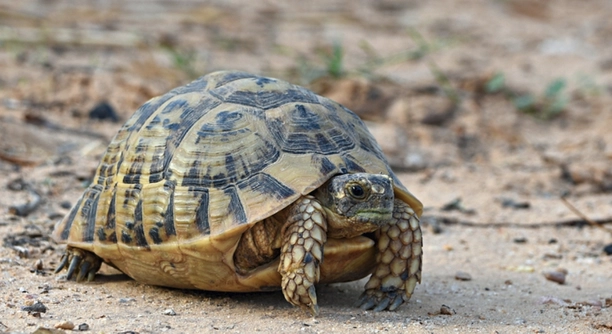
Greek tortoises are popular pets, known for their gentle nature and long lifespan. Understanding their diet is key to keeping them healthy and happy. Certain foods benefit them, while others may harm their well-being.
Greek tortoises thrive on a diet rich in fresh greens, vegetables, and safe fruits. Foods like dandelion greens, clover, and strawberries are favorites. Avoid high-protein or sugary foods to ensure a balanced diet and prevent health issues.
Choosing the right foods for your Greek tortoise is essential for their health. By offering the right variety of foods, you can help them live a long and fulfilling life. Keep reading to learn more.
7 Foods Greek Tortoises Love
Greek tortoises enjoy a variety of plant-based foods that mimic their natural diet. Wild tortoises graze on grasses, leaves, and flowers, so replicating this in their care routine is essential. Fresh greens like dandelion greens, clover, and mustard leaves are ideal for keeping your tortoise well-fed and happy. They also appreciate small amounts of fruits such as strawberries, raspberries, and melon, which can be offered occasionally for variety. These foods are packed with essential vitamins and minerals, making them perfect for a healthy diet.
To ensure your Greek tortoise gets the right nutrition, always provide a mix of leafy greens, flowers, and occasional fruits. This balanced diet mimics their natural foraging habits.
In addition to leafy greens, offering calcium-rich foods like clover is great for shell and bone health. Greek tortoises also enjoy small amounts of wild herbs like thyme or basil, which add flavor and variety. These foods are high in fiber and help with digestion. Be sure to avoid iceberg lettuce, as it lacks nutrients and can lead to digestive problems.
3 Foods Greek Tortoises Should Avoid
Greek tortoises should not be fed foods high in protein, sugar, or moisture. Certain fruits and vegetables may seem appealing but can cause health issues if consumed too often.
Foods like tomatoes, lettuce, and carrots should be avoided because they don’t meet the nutritional needs of Greek tortoises.
Tomatoes and carrots, while healthy for humans, are not suitable for Greek tortoises in large quantities. Tomatoes contain a compound that can cause digestive problems, and carrots are high in sugar, which is harmful over time. Additionally, iceberg lettuce has very little nutritional value and can lead to diarrhea. This is why it’s crucial to offer a variety of leafy greens and non-sugary fruits. Stick to what’s natural for them in the wild—plant matter high in fiber and low in sugar.
7 Foods Greek Tortoises Love
Greek tortoises thrive on a variety of leafy greens. These provide the fiber and nutrients they need to stay healthy.
Dandelion greens are one of the best options. They’re rich in calcium, which is essential for shell growth and overall health. Clover is another great choice. It offers high fiber and essential nutrients. If your tortoise enjoys a bit of variety, you can also offer small amounts of flowers like hibiscus, which are rich in vitamins. Always ensure that these greens are free of pesticides or chemicals to avoid harming your tortoise.
Wild herbs like basil, thyme, and oregano are also a good option. These herbs give flavor to their meals and are a natural part of their diet in the wild. Offering a variety of these greens and herbs keeps your tortoise engaged and ensures they’re getting all the vitamins they need.
3 Foods Greek Tortoises Should Avoid
Greek tortoises must avoid foods that are high in protein or sugar. These can cause digestive issues and long-term health problems.
Tomatoes should be kept off the menu. They contain solanine, which can upset your tortoise’s stomach. While they may seem like a tasty treat, it’s best to steer clear of feeding them to your tortoise. Additionally, fruits that are high in sugar, like bananas or grapes, should also be limited, as they can cause weight gain and other health problems.
Avoid feeding your tortoise vegetables like spinach and cabbage in large amounts. These vegetables contain compounds that can interfere with calcium absorption, which is vital for your tortoise’s shell health. Too much of these foods can cause long-term damage, so it’s important to offer them sparingly, if at all.
7 Foods Greek Tortoises Love
Cactus pads are another excellent addition to your Greek tortoise’s diet. These pads are full of moisture and fiber.
Cactus pads are a great way to keep your tortoise hydrated, especially in hot weather. They are low in sugar and high in fiber, which makes them a healthy snack. Simply remove the spines and cut the pads into smaller pieces for easier consumption.
3 Foods Greek Tortoises Should Avoid
Avocados are dangerous for Greek tortoises. They contain persin, a toxin harmful to them.
Avocados should be avoided at all costs, as even small amounts can cause serious harm to your tortoise. This toxin affects their heart and digestive system, leading to potentially fatal consequences. Always keep avocados out of their diet for their safety.
FAQ
Can Greek tortoises eat lettuce?
Lettuce, especially iceberg lettuce, should be avoided. It lacks essential nutrients and can cause digestive upset, particularly in large quantities. Romaine lettuce is a better choice, but even that should only be given sparingly. Greek tortoises need more fiber and vitamins than lettuce can provide. Stick to more nutritious leafy greens like dandelion greens or mustard leaves.
Is fruit good for Greek tortoises?
Fruits can be given occasionally, but they should not make up the bulk of their diet. Greek tortoises love fruits like strawberries, raspberries, and melons. These fruits provide vitamins and water, but they are high in sugar. Too much fruit can lead to obesity and digestive problems. Offering fruit as a treat, rather than a regular meal, is the best approach.
How much should I feed my Greek tortoise daily?
The amount to feed depends on your tortoise’s size and age. For an adult, a handful of greens and a few pieces of fruit or flowers should be enough. Hatchlings and younger tortoises need more food to support growth. Generally, offer as much food as your tortoise can eat in 15-20 minutes. Make sure the diet includes a variety of vegetables, greens, and occasional fruits.
Can Greek tortoises eat flowers?
Yes, flowers are an excellent addition to your tortoise’s diet. Many tortoises enjoy dandelion flowers, hibiscus, and clover blossoms. These flowers are not only safe but also nutritious. They can provide variety and important vitamins. Be sure to avoid any flowers that have been treated with chemicals or pesticides.
Is it safe to feed Greek tortoises vegetables like carrots or broccoli?
Carrots are high in sugar, which can be harmful to Greek tortoises in the long term. They can cause weight gain and digestive problems. Broccoli, while not toxic, should also be fed sparingly. Too much broccoli can cause gas and digestive upset. Stick to leafy greens and avoid vegetables that are too rich in sugars or compounds that can interfere with calcium absorption.
Can I feed my Greek tortoise weeds from my garden?
Yes, weeds from your garden can be a good source of food for your tortoise, but you need to be careful. Make sure they haven’t been exposed to pesticides or other chemicals. Weeds like dandelions, clover, and plantain are safe and nutritious for tortoises. Always double-check for harmful plants, like those from the nightshade family, which are toxic.
Should I supplement my Greek tortoise’s diet with vitamins or calcium?
Yes, calcium is crucial for Greek tortoises, especially for strong bones and healthy shells. It’s recommended to dust their food with calcium powder, particularly if you aren’t feeding them high-calcium foods like clover or dandelion greens. A multivitamin can also be helpful, but avoid over-supplementing as it can lead to health issues. Always research proper supplementation and speak to your vet about the right balance for your tortoise.
Can Greek tortoises eat mushrooms?
It’s best to avoid mushrooms altogether. While some species of mushrooms are non-toxic, others can be dangerous, causing severe digestive issues or poisoning. Since it’s difficult to tell which ones are safe, it’s better to stick with more familiar, safe foods like grasses and leafy greens.
What about feeding Greek tortoises seeds?
Greek tortoises can eat certain seeds, but they should only be given in small amounts. Seeds like those from dandelions or grasses are safe, but avoid giving seeds that are high in fat, such as sunflower seeds. Too many seeds can upset their digestion. Always focus on natural, whole plant foods.
Can Greek tortoises eat grass from outside?
Yes, grass is an excellent food for Greek tortoises. In the wild, they consume a variety of grasses, and it’s a great source of fiber for them. However, be cautious about where you get the grass. Make sure it’s free from pesticides, herbicides, or other chemicals that could harm your tortoise. The safest option is to gather grass from areas where no chemicals are used, such as untreated fields or your own backyard.
Can Greek tortoises eat kale?
Kale can be fed to Greek tortoises in moderation, but it should not be their main food source. While it is packed with vitamins, kale contains high levels of oxalates, which can interfere with calcium absorption and lead to kidney issues if fed too often. It’s best to offer kale as an occasional treat, alongside other safer leafy greens like collard greens or mustard leaves.
Final Thoughts
Caring for a Greek tortoise means paying close attention to its diet. A healthy diet plays a key role in ensuring your tortoise lives a long, happy life. Offering a variety of leafy greens, flowers, and safe fruits helps provide the right balance of nutrients. The goal is to mimic the diet they would have in the wild, focusing on high fiber and low sugar content. By providing the right foods, you can keep your tortoise active and healthy.
It’s important to avoid foods that could harm your Greek tortoise. Some foods may seem safe but can cause digestive problems or long-term health issues. High-protein foods, sugary fruits, and certain vegetables should be limited or avoided. Always research any new food before offering it to ensure it’s safe for your tortoise. With careful attention to what they eat, your Greek tortoise can thrive and enjoy a long life.
Remember that Greek tortoises also need access to clean water and plenty of space to move around. A balanced diet is just one part of their care, but it is a crucial factor. Taking the time to understand their needs and offering a variety of appropriate foods will ensure they stay healthy and happy. Regular checkups with a vet will also help keep your tortoise in good condition.

Hello,
If you enjoy the content that we create, please consider saying a "Thank You!" by leaving a tip.
Every little bit helps us continue crafting quality advice that supports the health, happiness, and well-being of pets around the world, for pets of all shapes, sizes, and species.
We really appreciate the kindness and support that you show us!