
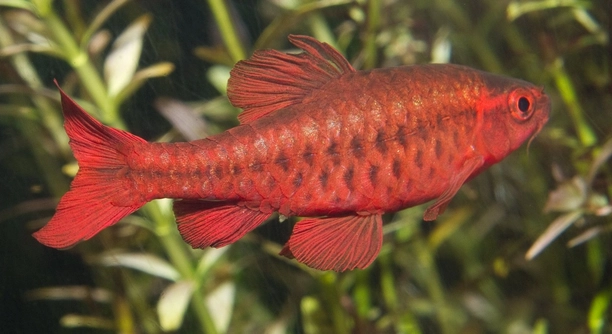
Cherry Barbs are vibrant and active fish that thrive in freshwater aquariums. As a pet owner, you may want to offer them a variety of foods, but some treats should only be given occasionally for their health.
Certain foods, while tasty, can upset a Cherry Barb’s delicate digestive system or cause long-term health problems if fed too often. It’s important to provide these foods sparingly to ensure your Cherry Barbs maintain a balanced, nutritious diet.
Understanding which foods to limit will help you keep your Cherry Barbs happy and healthy. This will also guide you in offering a more balanced and safe diet for your little aquatic friends.
1. High-Protein Foods
Protein is essential for Cherry Barbs, but too much of it can cause digestive issues. Offering foods like bloodworms or brine shrimp is fine occasionally, but they should not become a regular part of their diet. Too much protein can lead to excess waste and water pollution in your tank, which is harmful to both your fish and their environment.
Overfeeding high-protein foods may lead to obesity in your Cherry Barbs as well. These fish are small and can easily gain weight if their diet is too rich in protein. A high-protein diet may also put extra stress on their kidneys and liver, which affects their overall health. It’s best to stick to a more balanced and varied diet, offering high-protein treats only a couple of times a week.
While protein-rich foods can be a tasty treat for your fish, it’s important to limit them. Offering these foods only occasionally will help keep their digestive systems functioning properly. Make sure to watch for signs of overfeeding, like sluggishness or bloated bellies, and adjust their diet accordingly.
2. Processed Fish Food
Processed fish food, such as flake food or pellets, may be convenient, but they often contain additives that are not ideal for Cherry Barbs. These can include fillers or preservatives that don’t contribute much to their nutritional needs. Too much processed food can lead to poor health and water quality.
While processed foods are a quick fix, they shouldn’t make up the majority of your Cherry Barbs’ diet. These fish thrive on a more natural and varied diet. A mix of live or frozen foods alongside occasional processed flakes or pellets is the best approach for their long-term health.
3. Vegetables High in Oxalates
Vegetables like spinach and kale are packed with nutrients, but they contain high levels of oxalates, which can interfere with calcium absorption. This can cause long-term health issues for Cherry Barbs if fed too often. Offering these vegetables occasionally is fine, but they shouldn’t be a regular part of their diet.
Oxalates can lead to kidney or bladder issues when consumed in large amounts. Cherry Barbs need calcium for strong bones and healthy development, and oxalates can block this absorption. To avoid problems, you can occasionally offer spinach or kale but balance it out with safer veggie options like zucchini or peas. Variety is key.
Even though these vegetables are nutritious, the high oxalate content means they can pose a risk if overfed. Stick to offering these as an occasional treat to give your Cherry Barbs a varied and healthy diet without harming their digestive or kidney functions. Ensure they always have a mix of other veggies for balance.
4. Fruits with High Sugar Content
Some fruits, like bananas and grapes, are tempting for Cherry Barbs, but they contain high levels of sugar. Excessive sugar can cause digestive problems and obesity in your fish. These fruits should be fed only sparingly, as part of a well-balanced diet.
Sugar can lead to fatty liver disease or affect the overall metabolism of your Cherry Barbs. Fruits with high sugar content can be fun treats, but they don’t provide essential nutrients. Cherry Barbs need a lot of fiber and protein, and high-sugar fruits won’t fulfill these needs. Occasional small servings are fine, but avoid making them a regular treat.
The occasional fruit snack won’t hurt, but be mindful of the portion size. Avoid feeding sugary fruits more than once a week, and always ensure the rest of their diet is healthy and balanced. By limiting sugar, you’ll protect your fish from potential long-term health problems.
5. Live Foods from Unreliable Sources
Live foods, such as insects or worms, can provide variety in your Cherry Barb’s diet. However, be cautious about where you source them. Live foods from unreliable sources may carry parasites, bacteria, or chemicals that could harm your fish. Always ensure they come from trusted, safe suppliers.
Even if the live food seems fresh, it can still carry risks. Infected or untreated live foods can introduce disease into your tank, affecting your Cherry Barbs and other fish. To minimize this risk, try to culture your own live foods or purchase them from reputable pet stores.
Offering live foods can be an enriching experience for your fish, but ensure they are safe and free from harmful contaminants. Only buy from trusted sources or avoid them altogether to maintain a healthy aquarium environment. Moderation is important to prevent potential health issues.
6. Fried or Oily Foods
Oily and fried foods are never a good choice for your Cherry Barbs. These types of foods are difficult for them to digest and can cause stomach issues or even damage their internal organs. Stick to healthier, lighter options that won’t disrupt their digestive system.
Even though fried foods might seem appealing to offer occasionally, they offer no nutritional benefits to your fish. Instead of oily treats, opt for natural, whole foods that are easier on their system. Always avoid anything deep-fried or overly greasy, as it can lead to health problems over time.
FAQ
Can I feed my Cherry Barbs fruits every day?
Fruits should not be fed daily to Cherry Barbs, especially those with high sugar content like bananas or grapes. Feeding fruits too often can lead to obesity, digestive issues, and poor water quality. Occasional servings are fine, but keep them limited to once a week or less. Ensure that the majority of their diet consists of foods like vegetables, live or frozen foods, and high-quality flakes or pellets to maintain balance.
Are live foods safe for Cherry Barbs?
Live foods can be a good treat for your Cherry Barbs, but they come with risks. If the live food is from an unreliable source, it may carry parasites, bacteria, or harmful chemicals. Always ensure the live food comes from a trusted supplier or culture your own at home. Freshly caught live foods from unclean areas should be avoided to reduce the chance of introducing diseases to your fish.
What happens if I feed Cherry Barbs too much protein?
Feeding Cherry Barbs too much protein can lead to several problems, including obesity, kidney stress, and poor water quality. Excess protein results in waste buildup, which can quickly pollute the tank. Stick to protein-rich foods like bloodworms or brine shrimp a couple of times a week and focus on a more balanced diet with vegetables and other foods that provide a variety of nutrients.
Can I give my Cherry Barbs spinach regularly?
Spinach is high in oxalates, which can interfere with calcium absorption. This can lead to health issues if given frequently. It’s fine to offer spinach once in a while, but you should limit it. A more suitable alternative would be other leafy greens that are lower in oxalates, like lettuce or dandelion greens. Always aim to provide a variety of vegetables to meet your fish’s nutritional needs.
Is it okay to feed Cherry Barbs pellets every day?
Pellets can be part of your Cherry Barbs’ daily diet, but they should not make up the majority of their meals. It’s essential to offer a variety of foods for a balanced diet. While pellets provide essential nutrients, they lack the diversity of natural foods like live or frozen insects, which are vital for your fish’s health. You should mix in occasional live or frozen treats along with vegetables.
What vegetables are best for Cherry Barbs?
Cherry Barbs benefit from a variety of vegetables like zucchini, peas, and cucumber. These are easier to digest and provide essential nutrients without the risks that come with oxalates. Avoid vegetables like spinach and kale too often, as they contain high oxalate levels. Providing a range of veggies ensures that your Cherry Barbs receive a balanced diet, which is crucial for their overall health.
How often should I feed Cherry Barbs high-protein foods?
High-protein foods should only be fed to Cherry Barbs about once or twice a week. While protein is essential for growth and development, overfeeding it can lead to poor water quality and health issues like obesity or kidney strain. Stick to smaller portions and ensure the bulk of their diet comes from vegetables, flakes, and other nutritious options.
Are processed fish foods like flakes and pellets bad for Cherry Barbs?
Processed fish foods are not inherently bad, but they should not make up the entire diet for your Cherry Barbs. These foods often contain fillers and preservatives that do not provide all the necessary nutrients your fish need. It’s essential to supplement processed foods with natural options like live or frozen foods and vegetables to keep your Cherry Barbs healthy.
Can Cherry Barbs eat live worms?
Live worms, such as blackworms or white worms, are a great treat for Cherry Barbs, but they should be offered in moderation. Live worms provide a source of protein and help to enrich the diet, but they can also be high in fat. Feed them once or twice a week as a supplement to other types of food for variety and balance.
What should I avoid feeding Cherry Barbs?
Avoid feeding Cherry Barbs processed, oily, or fried foods. These are too rich and difficult for them to digest, leading to health problems. Additionally, sugary fruits like bananas or grapes should be limited to occasional treats only. Stick to vegetables, high-quality fish flakes, and occasional live foods to ensure their diet is well-balanced.
Can I feed my Cherry Barbs food from my kitchen?
Feeding your Cherry Barbs food from your kitchen can be risky unless it’s something safe and appropriate for fish. Avoid feeding them foods high in salt, sugar, or oils, such as bread, chips, or cooked meats. Only offer safe vegetables, unseasoned cooked meats (in small amounts), or other foods recommended for aquarium fish to avoid causing health issues.
Final Thoughts
Feeding Cherry Barbs a balanced diet is essential for their health and longevity. While it’s tempting to offer a variety of treats, it’s important to remember that not all foods are suitable for them. Foods high in protein, sugar, or oxalates should only be fed occasionally to prevent digestive issues, obesity, and other health problems. Overfeeding or offering the wrong types of food too often can disrupt their natural balance and affect both their well-being and the quality of the tank water.
The key to a healthy Cherry Barb diet is moderation and variety. A mix of high-quality flakes, pellets, live or frozen foods, and fresh vegetables will provide them with the essential nutrients they need. Offering a range of foods ensures that they get the vitamins, minerals, and protein necessary for their growth and overall health. Additionally, it’s important to monitor portion sizes and feeding frequency to avoid overfeeding, which can lead to poor water quality and affect the fish’s health.
By paying attention to what you feed your Cherry Barbs and how often, you can ensure that they remain active, healthy, and vibrant. Remember that treats and special foods, while enjoyable for your fish, should be given in moderation. Keeping their diet varied, balanced, and appropriate to their needs will help you maintain not only their health but also the stability of your aquarium.

Hello,
If you enjoy the content that we create, please consider saying a "Thank You!" by leaving a tip.
Every little bit helps us continue crafting quality advice that supports the health, happiness, and well-being of pets around the world, for pets of all shapes, sizes, and species.
We really appreciate the kindness and support that you show us!