
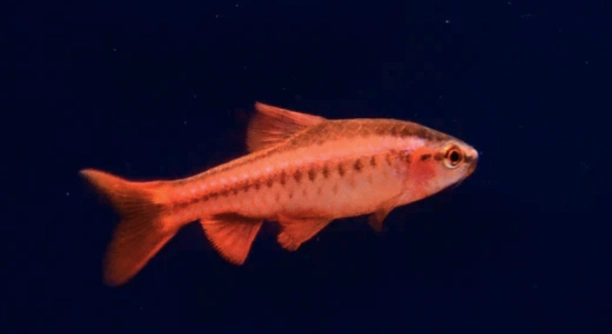
Cherry barbs are small, colorful fish that make an excellent addition to any aquarium. Their lively personality and active nature make them popular among fish keepers. However, knowing what to feed them can be a bit tricky.
Cherry barbs thrive on a balanced diet that includes a mix of protein-rich foods and plant-based options. Their diet should include high-quality flakes or pellets, supplemented with live or frozen foods like brine shrimp, daphnia, and occasional vegetables.
Feeding your cherry barbs the right foods ensures they stay healthy and vibrant. Understanding which foods they love and which to avoid is essential for their well-being. Continue reading to learn the best choices for their diet.
7 Foods Cherry Barbs Love
Cherry barbs are not picky eaters, but they do prefer a varied diet that keeps them healthy. One of their favorite foods is high-quality flake food. This is convenient and often packed with the right balance of nutrients. You can also add frozen or live foods like brine shrimp, which are rich in protein and stimulate their natural hunting instincts. These fish enjoy occasional treats of daphnia or bloodworms, which help to keep them active and healthy.
Flake food is a staple for cherry barbs, providing them with essential nutrients. It’s easy to find and simple to use, making it a reliable option for feeding them every day. Frozen and live foods are also good for their diet as they add variety.
For a balanced diet, consider offering plant-based options like spirulina or blanched vegetables such as zucchini or peas. These foods help improve digestion and add fiber to their meals. Ensuring a mix of plant and animal-based foods will keep your cherry barbs strong and happy.
3 Foods Cherry Barbs Should Avoid
Some foods can cause problems for cherry barbs and should be avoided. Overfeeding is a common mistake and can lead to obesity or poor water quality. It’s important to feed them the right amount of food and remove uneaten bits promptly.
Certain types of fatty or oily foods are also bad for them. These can lead to digestive issues or weight gain, which can affect their overall health. Avoid feeding cherry barbs processed foods that are high in fat and low in nutrients.
Another food to steer clear of is anything too large for them to eat. Cherry barbs are small fish, and feeding them large pieces of food can result in choking or difficulty digesting. Always cut food into small, manageable pieces. Keeping their meals appropriate in size is crucial for their health.
The Best Live Foods for Cherry Barbs
Live foods like brine shrimp and daphnia are excellent choices for cherry barbs. These provide essential proteins that promote their health and natural behavior. They also enjoy the challenge of hunting, which helps to keep them active.
Brine shrimp are especially beneficial because they are high in essential fatty acids and help support growth and energy levels. Daphnia, or water fleas, are another good option. They are rich in nutrients and easy for cherry barbs to digest. Offering these live foods once or twice a week adds variety to their diet and keeps them engaged.
Live foods also help to mimic the natural diet of cherry barbs, as they would typically hunt tiny creatures in the wild. This encourages the fish to display more natural behaviors and can improve their overall well-being. However, be sure to avoid overfeeding, as excess food can affect water quality.
The Best Frozen Foods for Cherry Barbs
Frozen foods are a great alternative to live foods. They are easy to store and often retain the same nutritional value. Frozen brine shrimp, bloodworms, and daphnia are favorites for cherry barbs.
Bloodworms are especially high in protein and help boost energy levels. Offering a variety of frozen foods helps keep their diet interesting and ensures they get a balance of nutrients. Be sure to thaw the food before offering it to your fish to prevent water contamination. It’s also important not to overfeed, as this can lead to water quality issues in your tank.
Frozen foods can be a bit more affordable and convenient compared to live options, while still providing cherry barbs with a healthy, well-rounded diet. They can be used to complement other food types, ensuring your fish get everything they need.
Vegetables Cherry Barbs Enjoy
Cherry barbs enjoy a variety of vegetables, which are an excellent addition to their diet. Vegetables like zucchini, spinach, and peas provide important vitamins and fiber. These can be blanched or chopped into small pieces for easy consumption.
Zucchini is a particularly good choice for cherry barbs, as it’s soft and easy for them to eat. Spinach also provides iron and other essential nutrients. Peas are another great option, helping with digestion. These veggies should be offered in moderation to complement their regular food, providing variety and nutritional balance.
Feeding Cherry Barbs Flake Food
Flake food is an easy and reliable staple for feeding cherry barbs. These fish benefit from flake food as it provides a well-balanced mix of proteins, vitamins, and minerals. It’s designed to meet the basic nutritional needs of fish, making it suitable for daily feeding.
It’s important to choose a high-quality flake food that is appropriate for small fish like cherry barbs. Look for products that include a variety of ingredients, such as fish meal, algae, and essential fatty acids. Flakes should be fed in small amounts to prevent overfeeding and water pollution.
The Role of Protein in Cherry Barb Diets
Protein is an essential part of a cherry barb’s diet. It supports muscle growth, energy, and overall health. High-protein foods like brine shrimp and bloodworms are particularly beneficial, providing the necessary nutrients for these active fish.
While protein is important, it’s also essential not to overfeed. Too much protein can lead to excess waste and poor water quality. A balance of protein and other nutrients, like fiber and vitamins, will help keep your cherry barbs healthy and active.
FAQ
What are the best foods for cherry barbs?
The best foods for cherry barbs are a mix of high-quality flake food, live foods like brine shrimp and daphnia, and occasional vegetables. Flake food should be the staple of their diet, while live foods add variety and keep them engaged. Vegetables like zucchini and peas help with digestion and provide essential nutrients. Offering a variety of foods ensures a balanced diet that supports the health and activity levels of your cherry barbs.
How often should I feed my cherry barbs?
Cherry barbs should be fed small amounts two to three times a day. It’s better to feed them smaller portions multiple times rather than one large feeding. This helps to prevent overfeeding and keeps water quality stable. If using live or frozen foods, you can offer these a few times a week as a supplement to their regular meals. Always remove any uneaten food after about 5-10 minutes to avoid polluting the tank.
Can cherry barbs eat bloodworms?
Yes, cherry barbs can eat bloodworms, and they enjoy them as a treat. Bloodworms are rich in protein, which helps promote growth and energy. You can feed them frozen bloodworms, which are easy to store and thaw before feeding. Offering bloodworms once or twice a week adds variety to their diet. However, be sure to feed them in moderation to avoid overfeeding, as bloodworms are high in protein and can cause weight gain if given too often.
Are there any foods I should avoid for cherry barbs?
Avoid feeding cherry barbs overly fatty or processed foods, as they can lead to digestive issues and poor water quality. High-fat foods can cause them to become overweight, which can affect their overall health. Also, avoid feeding them large pieces of food that they can’t easily eat, as this can lead to choking or digestive problems. Always be sure the food you offer is small enough for them to consume easily.
Can cherry barbs eat vegetables?
Yes, cherry barbs can eat vegetables, and they should be included in their diet. Vegetables like zucchini, peas, and spinach provide essential nutrients and fiber. Zucchini is especially good because it’s soft and easy to eat. Blanch the vegetables to soften them and cut them into small pieces. Offering vegetables once or twice a week helps balance their diet, ensuring they get the vitamins and fiber they need for good digestion.
How can I tell if I am overfeeding my cherry barbs?
Overfeeding cherry barbs can lead to poor water quality and health issues like obesity. If you notice excess food accumulating at the bottom of the tank, it’s a sign that you’re feeding them too much. Uneaten food can also cause a spike in ammonia levels, which harms the fish. A healthy feeding routine involves giving only what they can eat within a few minutes and removing leftover food. Overfed fish may also appear sluggish or develop fatty deposits, so it’s important to monitor their condition.
Is it okay to feed my cherry barbs live food every day?
While live food like brine shrimp is a great source of nutrition, it’s not necessary to feed it every day. Offering live food two to three times a week is sufficient to provide variety and nutritional balance. Feeding live food too often can lead to an imbalance in their diet and affect their water quality. A mix of high-quality flake food, occasional frozen food, and live food works best for cherry barbs.
What size should the food pieces be for cherry barbs?
Cherry barbs are small fish, so the food pieces should be small enough for them to eat easily. Flake food should be finely crushed if it’s too large, and live or frozen foods should be chopped or thawed into bite-sized portions. This helps prevent choking and ensures they can digest their meals properly. Always offer food that matches their size and feeding capabilities for the best results.
Can cherry barbs eat brine shrimp?
Yes, brine shrimp are an excellent food choice for cherry barbs. They are rich in protein and provide essential fatty acids, which support growth and energy. You can feed them live brine shrimp, but frozen or freeze-dried versions are also suitable and more convenient. Offering brine shrimp once or twice a week helps diversify their diet and keeps them active.
Do cherry barbs need protein in their diet?
Yes, protein is essential for cherry barbs. It supports muscle growth, energy, and overall health. Protein-rich foods like brine shrimp, bloodworms, and live daphnia are great choices. While protein is important, it should be balanced with other nutrients like fiber and vitamins to ensure their overall health. Too much protein can lead to obesity, so be sure to provide a well-rounded diet.
Final Thoughts
Feeding your cherry barbs the right foods is key to keeping them healthy and vibrant. These small, active fish require a balanced diet that includes both animal-based and plant-based options. High-quality flake food should be the main part of their diet, offering essential nutrients and vitamins. Live foods like brine shrimp and daphnia provide extra protein, helping to keep your cherry barbs strong and energetic. Occasional vegetable treats like zucchini and peas offer additional benefits, aiding in digestion and providing much-needed fiber. The variety in their diet not only keeps them interested but also ensures they get all the nutrients they need for a long, healthy life.
It’s important to remember that overfeeding can lead to health problems for your cherry barbs. They are small fish with small stomachs, so it’s best to feed them small portions two to three times a day. Any uneaten food should be removed promptly to prevent water contamination. Offering live or frozen foods occasionally is a great way to add variety, but these should not make up the bulk of their diet. Moderation is key when feeding your cherry barbs to avoid problems such as obesity, poor water quality, or digestive issues. Always keep an eye on their behavior and appearance to ensure they’re eating the right amount.
Lastly, the foods you offer should always be appropriate for their size and dietary needs. Cherry barbs are small and can struggle with food that’s too large for them to handle. Flake food should be crushed or broken into small pieces, and live or frozen foods should be cut to manageable sizes. This helps prevent choking and ensures they can easily digest their meals. A well-balanced diet, combined with proper feeding habits, will keep your cherry barbs happy, healthy, and thriving in your aquarium.

Hello,
If you enjoy the content that we create, please consider saying a "Thank You!" by leaving a tip.
Every little bit helps us continue crafting quality advice that supports the health, happiness, and well-being of pets around the world, for pets of all shapes, sizes, and species.
We really appreciate the kindness and support that you show us!