
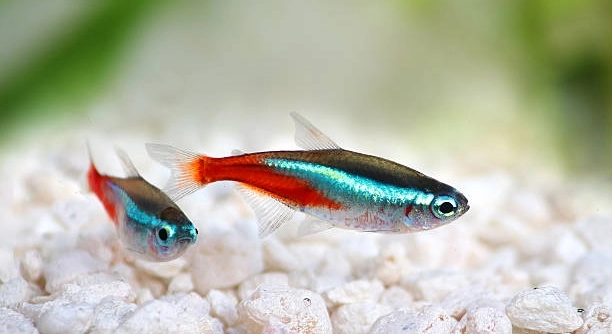
Is your tetra looking sluggish or refusing to eat like it used to? Weak or sick fish can often be a sign that something is off in their diet or environment. Knowing what to feed them matters.
The best way to support a weak or sick tetra is by offering high-protein, nutrient-rich foods such as daphnia, brine shrimp, and specially formulated medicated flakes. These boosters help strengthen their immune system and promote recovery.
Feeding your tetra the right food at the right time can make a real difference. Each option on this list is easy to find and safe to use.
Brine Shrimp: A Gentle Protein Source
Brine shrimp are one of the most recommended foods for weak or sick tetras. They are easy to digest and packed with protein, which helps support muscle repair and energy. Live or frozen versions can both be used, depending on availability. Live brine shrimp tend to stimulate appetite more effectively because of their movement, but frozen ones are still highly nutritious. They contain essential amino acids and fatty acids, both of which help improve a tetra’s immune response. Brine shrimp are also low in waste, which keeps water conditions more stable—a key factor when caring for sick fish. Feed small portions twice a day, and monitor their behavior and energy levels closely. Avoid overfeeding, as sick tetras are more sensitive to changes in water quality. With consistent feeding and clean tank conditions, many tetras show signs of improvement in just a few days. Always source from a reputable supplier to avoid contaminants.
Brine shrimp are especially helpful for tetras that have lost interest in regular flakes. Their movement in the water often encourages feeding.
Stick to feeding small amounts at a time and remove uneaten shrimp after a few minutes to maintain clean water. Gradual improvements in energy may be seen within a week.
Daphnia: Natural Digestive Support
Daphnia is another excellent choice for supporting weak tetras. Known as water fleas, these tiny organisms are rich in fiber and help improve digestion. For tetras struggling with bloating or constipation, daphnia can offer gentle relief.
Daphnia works by promoting healthy gut movement while providing vitamins and minerals. When a tetra is sick, digestion often slows down, which leads to other health issues. Daphnia helps keep things moving without adding too much fat or protein. This makes it ideal for tetras who need support but cannot handle heavier foods. Live daphnia are more stimulating, but freeze-dried or frozen options are convenient and still effective. Soak freeze-dried daphnia in tank water before feeding to help prevent bloating. Offer daphnia as a supplement once a day, in small amounts. Overfeeding can still lead to water quality issues, so always observe how much your fish eats and adjust portions as needed. Regular feeding may also increase appetite over time, helping them transition back to their usual diet.
Medicated Flakes: Targeted Recovery Support
Medicated flakes are helpful when a tetra shows signs of infection or internal illness. They are specially made with added antibiotics, antiparasitic agents, or vitamins that support recovery from specific conditions. Always use these flakes as directed and for the full treatment period.
Choose a medicated flake that matches the symptoms your tetra shows—such as white spots, frayed fins, or visible swelling. Feed only the medicated food during treatment to ensure the proper dosage is received. It’s best to isolate the sick tetra in a separate tank if possible, to reduce stress and avoid spreading illness. Water quality should be kept stable and clean, as medicine can sometimes affect beneficial bacteria in the tank. Always check the expiration date on the packaging and store the flakes in a cool, dry place. After the treatment period ends, slowly transition your tetra back to a regular, protein-rich diet.
Some medicated flakes also contain appetite stimulants, which help fish that have stopped eating. These are useful for tetras that need to regain strength but aren’t eating enough on their own. If your tetra refuses flakes completely, you can try soaking them in garlic juice to encourage feeding. Stop use if symptoms worsen or no improvement is seen.
Bloodworms: Rich Energy Boost
Bloodworms are high in protein and iron, making them a strong option for tetras that need an energy boost. They’re best used in moderation, especially with weak fish that may have slower digestion.
Frozen bloodworms are safer than live ones, as they reduce the risk of parasites or bacteria. Soak frozen bloodworms in a bit of tank water before feeding, and offer only a small pinch at a time. Tetras are likely to respond well to the smell and texture, which makes bloodworms helpful for encouraging appetite. Avoid feeding them more than once a day, as their high fat content can cause issues if overused. If your tetra begins eating more actively, mix bloodworms with other food boosters like brine shrimp for a more balanced approach. Rotate foods every few days to provide a range of nutrients and avoid any single food becoming too dominant in their diet.
Peas: Gentle Relief for Bloating
Peas are a simple remedy for bloated or constipated tetras. Boil a pea, remove the skin, and mash it into tiny pieces. Offer just a bit, once every few days, until the bloating improves.
They are high in fiber and help regulate digestion. Softened peas are easy for tetras to eat and pass. Only use fresh or frozen peas—never canned, as they often contain added salt or preservatives.
Garlic-Soaked Food: Appetite Stimulant
Garlic helps stimulate appetite in weak or stressed tetras. Soak their food in garlic juice for a few minutes before feeding. It can also support immune health and reduce certain parasites when used sparingly.
Egg Yolk: Emergency Protein Boost
In emergencies, a boiled egg yolk mashed in tank water can be used as a quick protein source. Only offer a small drop, as it clouds the water easily. Use this method for very weak tetras that refuse other foods.
FAQ
Can I feed my sick tetra regular flakes?
You can, but it’s not always the best option. Regular flakes often don’t provide enough protein or support for recovery. Sick tetras may also lose interest in them. While flakes are fine for healthy fish, weak or ill tetras usually need softer, higher-protein options like brine shrimp, bloodworms, or daphnia. If you only have flakes available, try soaking them in garlic juice or tank water to make them easier to eat and more appealing. But for faster healing, it’s better to use targeted foods until your tetra starts showing more energy and eating consistently.
How often should I feed a sick tetra?
Feed weak or sick tetras two to three small meals per day. Smaller portions are easier to digest and prevent waste buildup, which helps keep the water clean. If your tetra refuses food, offer something more tempting like live brine shrimp or garlic-soaked flakes. Don’t force-feed or overfeed, as this can make things worse. Monitor them closely—eating a little is better than nothing, and appetite usually returns with the right food and stable conditions. Always remove leftover food within five minutes to avoid water issues that could stress the fish more.
What if my tetra won’t eat anything at all?
When a tetra refuses all food, it’s usually a sign of stress, poor water conditions, or illness. First, check the water parameters—ammonia, nitrite, and nitrate levels can affect appetite quickly. Make sure the temperature is stable and within range (around 75–80°F). Try more tempting foods like live brine shrimp or bloodworms. Garlic-soaked options may help trigger a response. Reduce lighting and noise to lower stress. If there are tank mates causing aggression, consider moving the tetra to a quieter tank. Keep trying once or twice a day with small portions. If they still refuse food after three days, consult a vet or aquatic specialist.
Can I use more than one food booster at the same time?
Yes, but rotate them instead of offering everything at once. For example, you can give brine shrimp in the morning and daphnia in the evening. This variety helps provide balanced nutrients without overloading the digestive system. Medicated flakes, if used, should be the only food during treatment to ensure proper dosage. When combining foods, monitor your tetra’s reaction closely. If they become more active and begin to eat normally, continue the rotation for a few more days. This approach supports recovery without stressing their system with too many rich foods at once.
Is it safe to use egg yolk often?
No, egg yolk should only be used in rare situations when your tetra is very weak and refusing all other food. It’s rich in protein and fat but can quickly cloud the water and affect quality. If you use it, only add a tiny amount—less than a drop—and remove any visible residue within a few minutes. It’s not a long-term solution but can give a quick energy boost. Switch to other natural food boosters as soon as your fish begins to show signs of interest in eating again. Clean water remains the most important part of recovery.
Should I isolate a sick tetra when feeding these foods?
Isolation is helpful, especially if your tetra is being bullied or outcompeted at feeding time. A separate tank also lets you control food portions and water quality more easily. If isolation isn’t possible, try target feeding with a dropper or feeding stick. Make sure the sick fish gets its share, and remove uneaten food from the rest of the tank. Isolation is especially important when using medicated flakes or egg yolk, as both can affect tank conditions. Always make sure the isolation tank is properly cycled and matches the main tank’s temperature and pH.
Can poor food choices slow down a tetra’s recovery?
Yes. Feeding low-quality, dry flakes or oversized pellets can cause more harm than good. These foods can be hard to digest and may lead to constipation or bloating in weak fish. Poor nutrition also delays healing and weakens the immune system. Choosing soft, protein-rich, and easy-to-digest foods gives your tetra a better chance at recovery. Avoid feeding human food scraps or anything oily or salty. Stick to trusted aquarium foods or clean, fresh ingredients prepared carefully. Recovery is faster when nutrition and water quality are both properly managed.
How long should I keep feeding these boosters?
Continue feeding food boosters until your tetra returns to normal activity levels and appetite. This usually takes about 5–10 days but can vary depending on the cause of illness. Once your tetra is consistently active and eating well, start mixing in regular food gradually. Keep a few boosters on hand in case the fish relapses or shows signs of stress again. Don’t stop feeding too early—some tetras appear better before they’re fully recovered. Watch closely for changes in swimming, color, and appetite before switching them back to their usual diet full-time.
Final Thoughts
Caring for a weak or sick tetra takes time, attention, and patience. Choosing the right foods is one of the most important steps in helping them recover. Each option shared in this article offers different benefits, from boosting energy to supporting digestion or fighting infection. Not every tetra will respond the same way, so it helps to try different foods one at a time and see how your fish reacts. Keep the feeding simple and stick to small amounts. Overfeeding can do more harm than good, especially when a fish is already stressed or ill.
It’s also important to remember that food alone may not fix the problem. Water quality, tank temperature, and stress levels all play a role in your tetra’s health. Even the best food will have little effect if the water conditions are poor or the fish is being bullied by others. Always test your water, keep the tank clean, and observe how your tetra behaves after feeding. If you’re using medicated flakes, follow the instructions carefully and don’t mix them with other foods during treatment. Some tetras may take longer to bounce back, so stay consistent and patient through the process.
Recovery is possible, even for fish that seem very weak. You may not see changes right away, but if your tetra starts eating, moving more, or showing interest in its surroundings again, those are good signs. Keep offering gentle, protein-rich foods and monitor progress daily. If your fish refuses food for several days or gets worse, it may be time to seek advice from a vet or aquatic expert. In many cases, though, small changes and proper feeding can lead to big improvements. With steady care and the right food choices, your tetra has a strong chance of getting better and staying healthy in the long run.

Hello,
If you enjoy the content that we create, please consider saying a "Thank You!" by leaving a tip.
Every little bit helps us continue crafting quality advice that supports the health, happiness, and well-being of pets around the world, for pets of all shapes, sizes, and species.
We really appreciate the kindness and support that you show us!